

News writer, Interviewer

State lottery officials see an opportunity they're just starting to understand: millions of potential players who've never bought a ticket.
Young professionals scrolling social media. Wealthy millennials who've never stopped at a gas station to fill out a play slip. An entire generation that grew up digital and expects everything to work that way.
The challenge isn't reaching these players. It's doing it without harming retail.
So when digital lottery platforms like Lotto.com approach state officials with partnership proposals, one question is always the same: How will you impact retail sales?
Tom Metzger has heard it in all 11 states where Lotto.com operates. After 25 years in the industry, he's a seasoned pro. He states:
Look at the data. In every lottery market where we work, retail sales grow.
The rising tide lifts all boats. But why?
The players who were never going to buy a ticket
Metzger pulls 95% of Lotto.com's customers from Google, Facebook, and digital display ads. These aren't lottery players who switched from retail to online lottery experiences. Most of them have never bought a lottery ticket.
They're younger than the average player and have more disposable income. They've never stopped at a gas station to check jackpot amounts. Metzger explains:
They care about convenience, not convenience fees. They're a completely different profile.
This is the secret hiding in plain sight. Digital platforms don't compete with retail for the same customers. They create new customers. Some of those new customers eventually wander into a convenience store and buy a scratch ticket. Some tell their friends. Some see a Powerball sign and remember they have an account.
The pie gets bigger. Retail gets a bigger slice of a bigger pie.
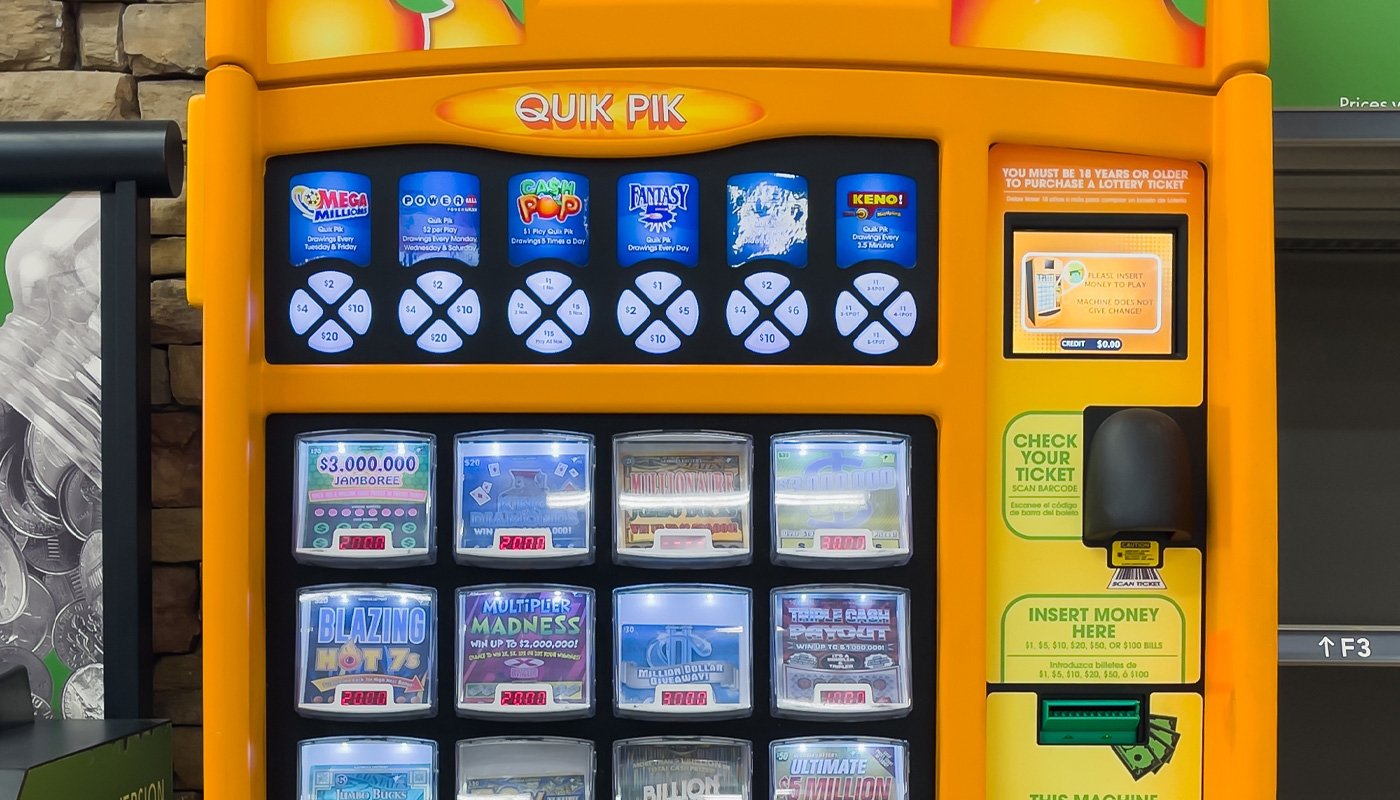
State lotteries understand they need to reach younger demographics. They just assumed going digital meant choosing between online and retail. Massachusetts proved otherwise.
What happens when you give players what they actually want
Massachusetts has the highest lottery per capita sales in the United States. When Lotto.com launched there, they did something no other digital platform had done: they offered scratch tickets.
Not simulated scratch games. Actual scratch tickets that players could scratch remotely.
The technology is quite complex. Lotto.com scans a physical ticket, front and back. Runs it through a proprietary machine. Scans it again while applying a digital covering identical to the original. Sends the player a link.
They scratch it on their phone or computer. The experience mirrors scratching a physical ticket at a store counter.
It worked because Metzger understood what drives lottery revenue. Most top-performing lotteries get over two-thirds of their revenue from scratch games. Metzger recalls:
We were the first to launch scratch games activated in real time.
Six states now offer it. Five more in Lotto.com's network don't yet. Metzger sees those five as the growth opportunity.
But scratch tickets reveal something deeper about why digital doesn't cannibalize retail. A player who buys a digital scratch ticket on Tuesday might buy a physical one on Thursday. The behavior isn't either-or. It's both-and.
The question isn't whether players choose digital or retail. It's whether they choose the lottery at all.
The $800 million threshold
Jackpot fatigue is real. Metzger has watched it creep into the industry for years. A decade ago, Powerball sales would jump when the jackpot hit $100 million. Now it fails to grab attention. But let a jackpot cross $800 million and the market transforms. Metzger continues:
That's when news outlets start to cover it. You see searches spike for 'how do I order a lottery ticket.'
Lotto.com sees sales climb 30-40% as jackpots grow past that threshold. But here's what matters: those surge customers don't disappear when the jackpot resets. Some become regular players. Some remember that the lottery exists. Some walk into a 7-Eleven six months later and buy a ticket on impulse.
Digital platforms create lottery awareness in populations that retail can't reach. Young professionals scrolling Facebook click an ad, and once they're in the ecosystem, some of them keep buying.
The $800 million threshold isn't just about one jackpot. It's about introducing millions of people to a product they'd forgotten existed.
The question of budget deficits
Metzger predicts that within five years, every state will offer lottery courier services, iLottery, or both.
When a state faces a budget deficit, many lawmakers, Metzger says, would rather grow lottery revenue than raise taxes. Lottery expansion requires no legislative lift in most states. Metzger stated:
Lotteries are looking for ways to grow sales. We're heading toward a lottery boom.
Retail locations see more foot traffic from lottery awareness. Digital platforms acquire customers that retail never could. State coffers collect revenue from both.
The opportunity is for expansion. A younger generation ready to play if you meet them where they are. Revenue growth that benefits retail and digital simultaneously.
Digital lottery platforms offer states an opportunity to expand the market.











Comments