

News writer, Interviewer

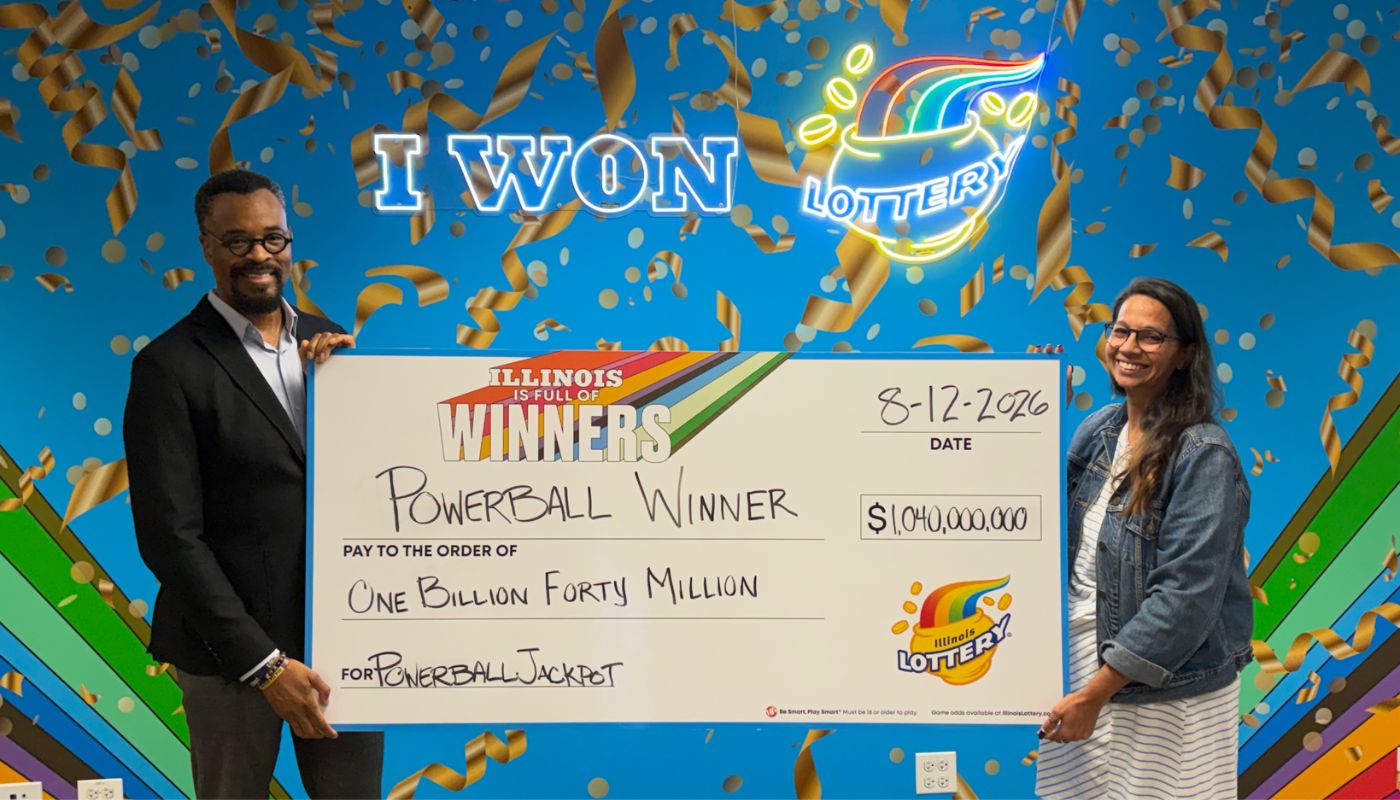
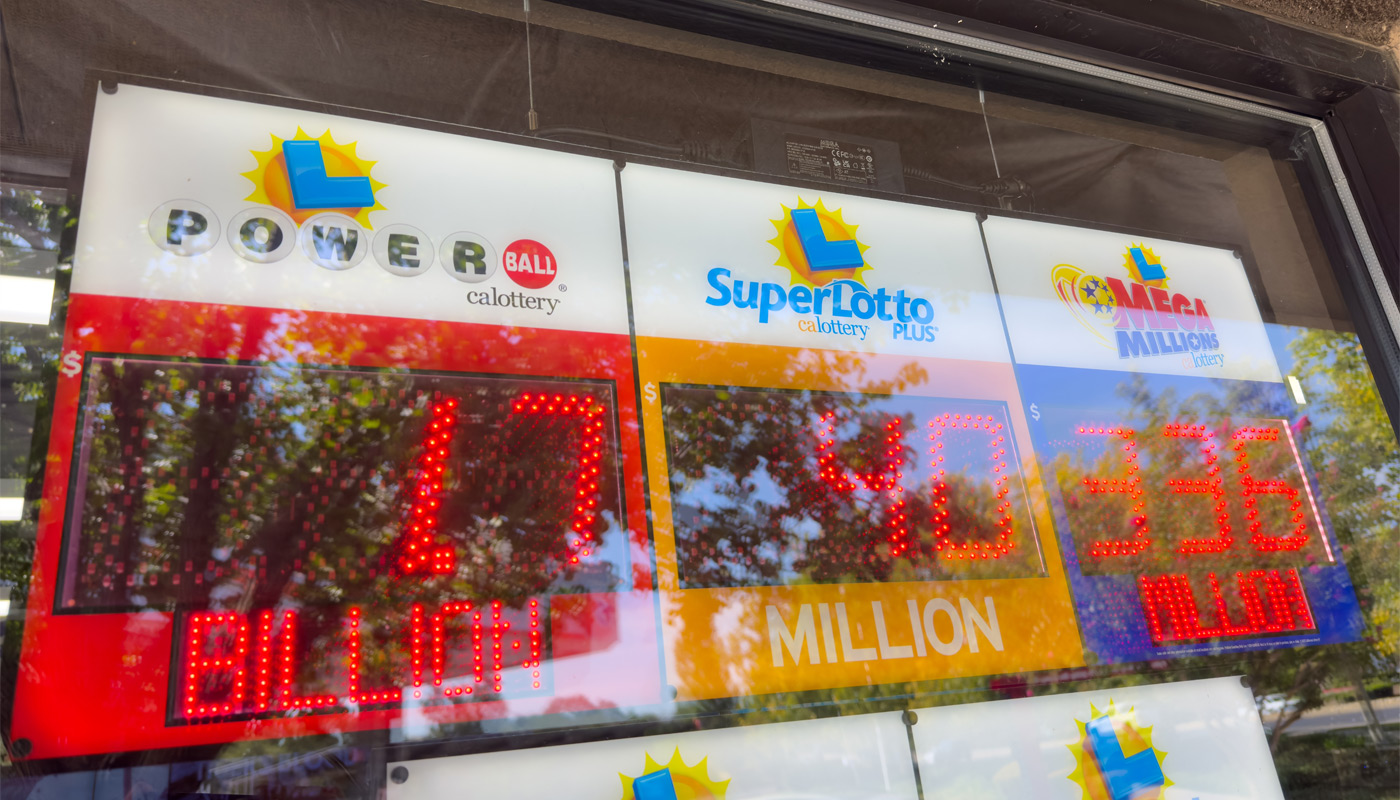
Nobody won Saturday’s Powerball drawing. The jackpot now sits at $875 million for Monday, December 8, 2025.
That’s real money. And someone’s going to win it soon.
What happened Saturday night?
The December 6 drawing came and went. The numbers were 13, 14, 26, 28, 44, and Powerball 7. Power Play was 2x.
No grand prize winner emerged. But someone in New Jersey got quite close. They matched all five white balls with Power Play and walked away with $2 million.
Three other tickets matched all five white balls without Power Play. Those winners in Florida, Georgia, and Texas each won $1 million.
Close counts in horseshoes. In Powerball, close gets you seven figures. Not bad for a Saturday night.
The question: lump sum or annuity?
Here's where it gets interesting. The $875 million comes with a choice.
Take the annuity, and you get the full amount over 30 years. Payments start smaller and increase by about 5% each year. Think of it as a guaranteed raise, every year, for three decades.
Take the cash, and you get $403.6 million right now. Before taxes, of course.
Most winners take the cash. Can you blame them? $403.6 million today beats a promise of more tomorrow. People want their money now.
How does the annuity really work?
The annuity isn't equal payments. It's structured to grow.
Year one might net you around $15 million. Year two climbs to roughly $16 million. By year 30, you're looking at north of $60 million for that final payment.
The math works in your favor if you can wait. More total money. Built-in inflation protection. Less temptation to blow it all at once.
But there's the rub: you're betting on the lottery system's stability for 30 years. You're betting on your own discipline. You're betting you'll live long enough to see those later payments.
The tax reality
Federal taxes hit immediately. The lottery withholds 24% from each payment automatically. But here's the catch: if you win the Powerball jackpot, you're in the 37% tax bracket.
That means you owe more when April rolls around.
State taxes vary. Some states, like Florida and California, don't tax lottery winnings at all. Others take a hefty cut. And if you bought your ticket in one state but live in another? You might pay taxes twice.
Nobody talks about this enough: winning isn't just about the money you get. It's about the money you keep.
Where does this jackpot rank?
This $875 million jackpot would be the seventh-largest in Powerball history if someone wins it Monday. Not the biggest, but certainly big enough to change multiple generations of a family.
The record holder remains Edwin Castro from California, who won $2.04 billion in November 2022. That's billion with a B.
The most recent massive win came in September 2025, when a $1.79 billion jackpot split between winners in Missouri and Texas. One stayed anonymous. The other formed a trust.
Smart winners protect their identity. Smarter ones hire lawyers and accountants before claiming their prize.
Monday’s drawing
The next drawing happens Monday night at 10:59 p.m. ET.
If nobody wins on Monday, the jackpot climbs higher. It could crack $1 billion by Wednesday. It could keep climbing until Christmas. Or someone could match all six numbers Monday night and wake up Tuesday morning with a decision to make: cash or annuity, public or anonymous, continue working or retire immediately.
The question isn't whether someone will win. Someone always wins eventually. The question is: will it be you?













Comments