

News writer

Lawmakers in Indiana have taken a decisive step against a growing segment of online gambling. State lawmakers approved a bill that bans sweepstakes-style games. These types of games allow players to exchange virtual currency for real prizes. Now, the governor has officially signed the new bill into law.
House Bill 1052 becomes law
House Bill 1052 has been signed into law. This move can reshape the digital gaming landscape in the state. It may also influence how some players interact with the Indiana Lottery. The bill was signed into law on March 12, 2026, by Indiana Gov. Mike Braun. The bill effectively eliminates gaming platforms that operate under the “dual-currency” model.
These systems allow players to use a virtual currency to play casino-style games. At the same time, they offer the possibility of redeeming any possible winnings for cash or prizes.
Supporters of HB 1052 argue that these types of systems blur the line between entertainment and unregulated gambling. This new law will take effect on July 1, 2026.
What does this new law do?
House Bill 1052 uses broad language to target sweepstakes-style gaming platforms that are mimicking traditional casino games while not being regulated in the same way as these licensed gambling operators.
Under HB 1052, any operators that knowingly offer these types of games could face fines of up to $100,000. This new law allows a loophole to be closed that allowed casino-style games to operate outside the state's regulated gambling framework.
While the bill had its supporters, sweepstakes operators and advocacy groups have strongly criticized the decision. The Social Gaming Leadership Alliance (SGLA), which represents many of the companies in the sector, said this bill shuts down an established industry instead of creating a regulatory system that could generate tax revenue.
In a statement, SGLA managing director Sean Ostrow said:
We are disappointed that HB 1052 has become law…Despite the outcome, the legislative record shows meaningful bipartisan support for a smarter approach that embraces innovation and economic growth.
The group added that it hopes to continue discussions with lawmakers about future regulatory frameworks that could protect players while also generating millions of dollars in annual tax revenue.
What does this mean for lottery players?
Yes, the law primarily targets sweepstakes-style gaming platforms. However, it could also have a ripple effect on other gaming sectors, like the Indiana Lottery.
These types of sites often attract players who enjoy digital casino-style games but may not want to travel to a casino. Now that sweepstakes sites will be disappearing from the state, some players may look for alternative forms of entertainment. For some players, that could mean turning to traditional lottery games or online lottery options.
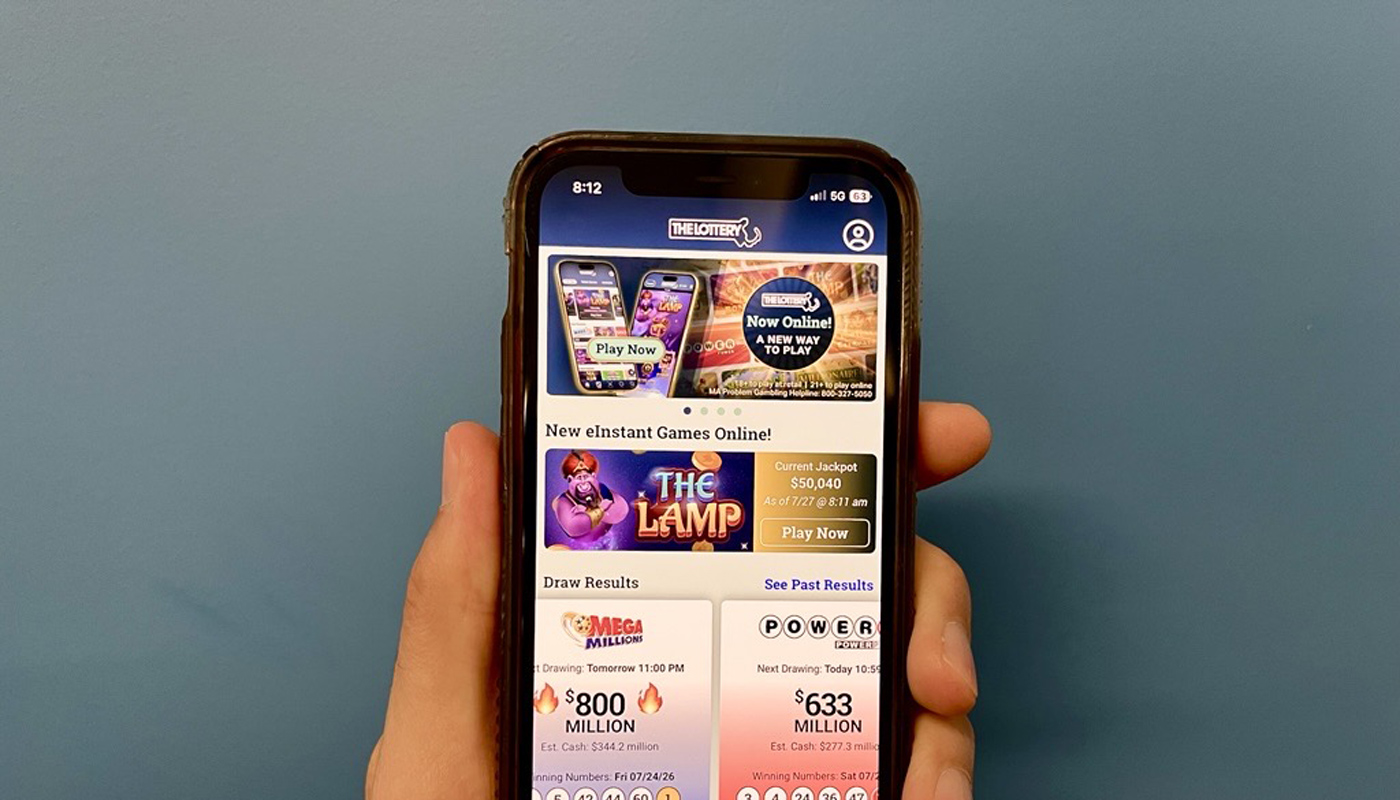
We have seen more and more states across the country expand their digital presence. They are offering players the ability to buy tickets online or play instant-win style games through the state's official lottery app or website.
If these sweepstakes platforms start disappearing in Indiana, then the lottery could become one of the remaining regulated options for players seeking quick-play games online.
While keeping that in mind, the impact of this bill remains uncertain. Some players could simply move to platforms operating in other states or even offshore websites rather than switching to state lottery products.
Indiana isn't alone with this law. Legislators in multiple states have started taking action against the sector, either through statewide bans or local enforcement efforts.
Enjoy playing the Hoosier Lottery, and please remember to play responsibly.








Comments