
News writer, Interviewer

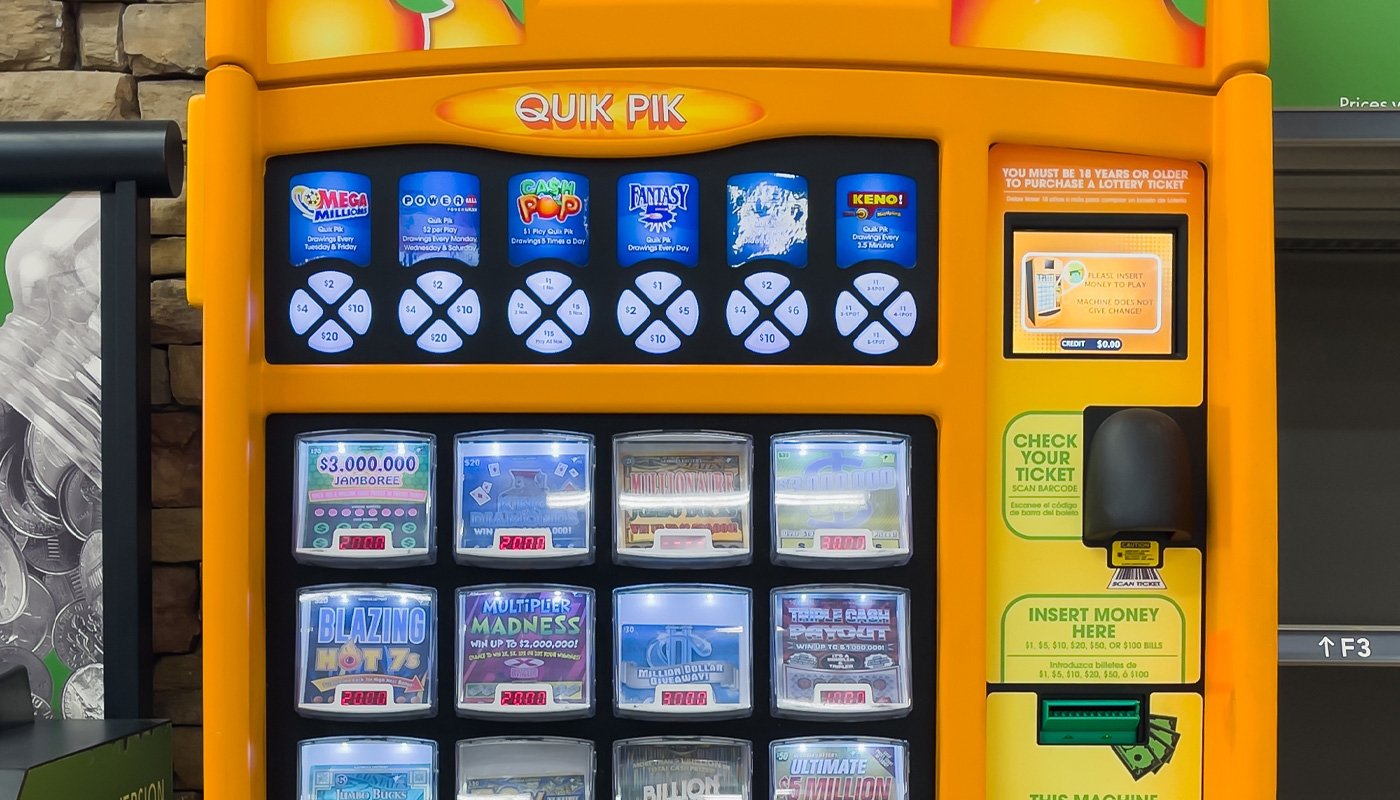
Thousands of unregulated instant-win video lottery and slot machines are operating in Missouri convenience stores, bars, and fraternal halls. The state isn't getting any of that gaming revenue. Now, a bill that passed the House is sitting before a Senate committee, and its future looks uncertain.'
The bill
The proposal would give the Missouri Lottery Commission authority to license video lottery terminals in retail locations across the state, up to eight machines per location. Players must be 21 or older, and each machine must pay out at least 80% of money wagered.
Revenue would be split three ways: 31% to the Missouri Lottery, with retailers and vendors dividing the rest. Cities and counties would have 120 days to opt out.
The bill is estimated to generate $300 million for education and $56 million for veterans' services.
The problem
Since 2019, unregulated machines have popped up across the state. Operators argue they're legal because of a "pre-reveal" feature. This is a feature that allows players to see whether the next result is a winner before placing a bet. Games of chance are illegal outside casinos and the Lottery under Missouri's constitution. Games with a skill element are not. That gray area has kept enforcement messy.
That changed in February. A federal judge ruled that Torch Electronics machines meet the statutory definition of a gambling device: illegal under Missouri law outside a licensed casino. Attorney General Catherine Hanaway has since filed lawsuits and felony criminal charges against store owners in Greene and Dunklin counties.
Matt Hortenstine, chief counsel for Illinois-based J&J Ventures, told the Senate's Select Committee on Gaming that enforcement alone won't work. Target one machine, developers adapt, and the cycle starts over.
The opposition
Marc Ellinger, general counsel for the Missouri Gaming Association, said lawmakers should let enforcement run its course. He pointed to a 1913 Missouri ruling involving a gum dispenser with a pre-reveal feature. It was found illegal then, and he argued that the same logic applies now. These machines, he said, are illegal slot machines.
Ellinger also called the bill unconstitutional, arguing it authorizes games of chance and misroutes gambling revenue, changes that would require a statewide constitutional amendment, not a legislative vote.
Senate President Pro Tem Cindy O'Laughlin, a Shelbina Republican chairing the committee, was direct: expanded gambling is bad for families, and she'd have the machines removed entirely if she could. She'll meet with the committee's other four members before scheduling a vote.
The money
One convenience store operator runs 50 stores, 18 of which house unregulated machines. In 2025, those machines brought in more than $1.5 million. She estimates 30,000 to 40,000 unregulated machines are currently operating in Missouri, compared to about 13,000 slot machines in regulated casinos.
Casey's General Stores estimated that placing four to five machines in each of its 148 large enough Missouri locations could increase profits by $63,000 per location. Running those numbers, unregulated machine profits could be approaching $2 billion annually. The state's total gambling revenue last fiscal year was around $700 million.
A lesson from sports betting
Hortenstine pointed to Missouri's sports betting rollout as a cautionary tale. Betting launched on December 1, 2024. In the first two months, FanDuel and DraftKings paid zero in taxes, using promotional cost deductions baked into the voter-approved constitutional amendment. Total tax revenue from all operators in that period was $659,196.
Sports betting was sold as a windfall for education. Video lottery, proponents argue, gives lawmakers a chance to get it right on their terms, through a process they control.
Looking ahead
The bill narrowly passed the House. It now faces a Senate committee whose chair openly opposes expanded gambling. Gambling industry players have contributed $3.3 million to political campaigns since the start of 2025, with J&J and Torch Electronics alone employing 36 lobbyists between them.
The machines are out there, and money is flowing. The question is where it goes and who decides.