

News writer, Interviewer

The lottery industry stands at a crossroads. Digital gaming explodes. Sports betting saturates every NFL broadcast. Players demand more. What happens next could reshape how lotteries compete, innovate, and survive.
Here are five predictions for 2026.
1. The scratch-off revolution spreads nationwide
By the end of 2026, data-driven scratch-off strategies will be the industry standard. Every state lottery will be scrambling to replicate what Indiana proved works.
The Hoosier Lottery already showed the path: $1 billion in scratch-off sales, $40 million in Fast Play revenue annually, and 87% sales growth since 2013.
What drove these numbers? Three moves: data analytics, portfolio management, and retail innovation. Each decision was tied directly to what players wanted.
The key insight: players don't want the same game twice. The strategy worked by reducing top-prize allocations to boost middle-tier prizes. More winners, more store traffic, more transactions.
Weekly lottery players are 2.5 times more likely than non-players to pay double for personalized products: 58% versus 23%, according to Foresight Factory research.
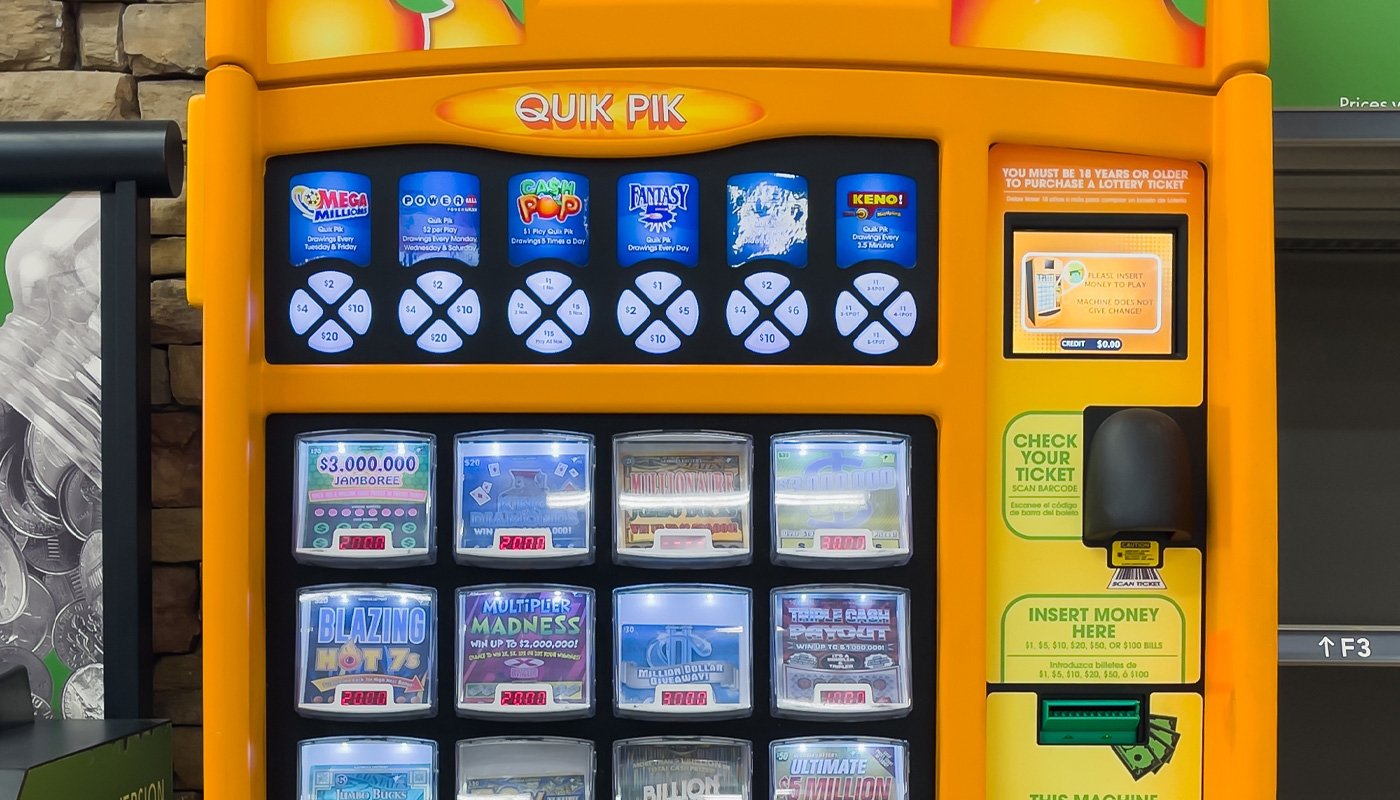
Self-service ticket vending machines now account for 19% of Indiana's lottery sales. Corporate accounts drive 70% of the state's retail lottery sales. Major retailers use tailored planograms, ensuring the right game mix in every location.
Fast Play revenue grew from near zero in 2015 to $40 million today through a test-and-learn approach and the Lottery's first-ever Second Chance promotion.
2. Physical and digital scratch-offs merge into omnichannel experiences
Physical tickets will sport QR codes. Second-chance drawings will be everywhere. Players will bounce between retail and online without thinking twice. The unified lottery experience arrives in 2026.
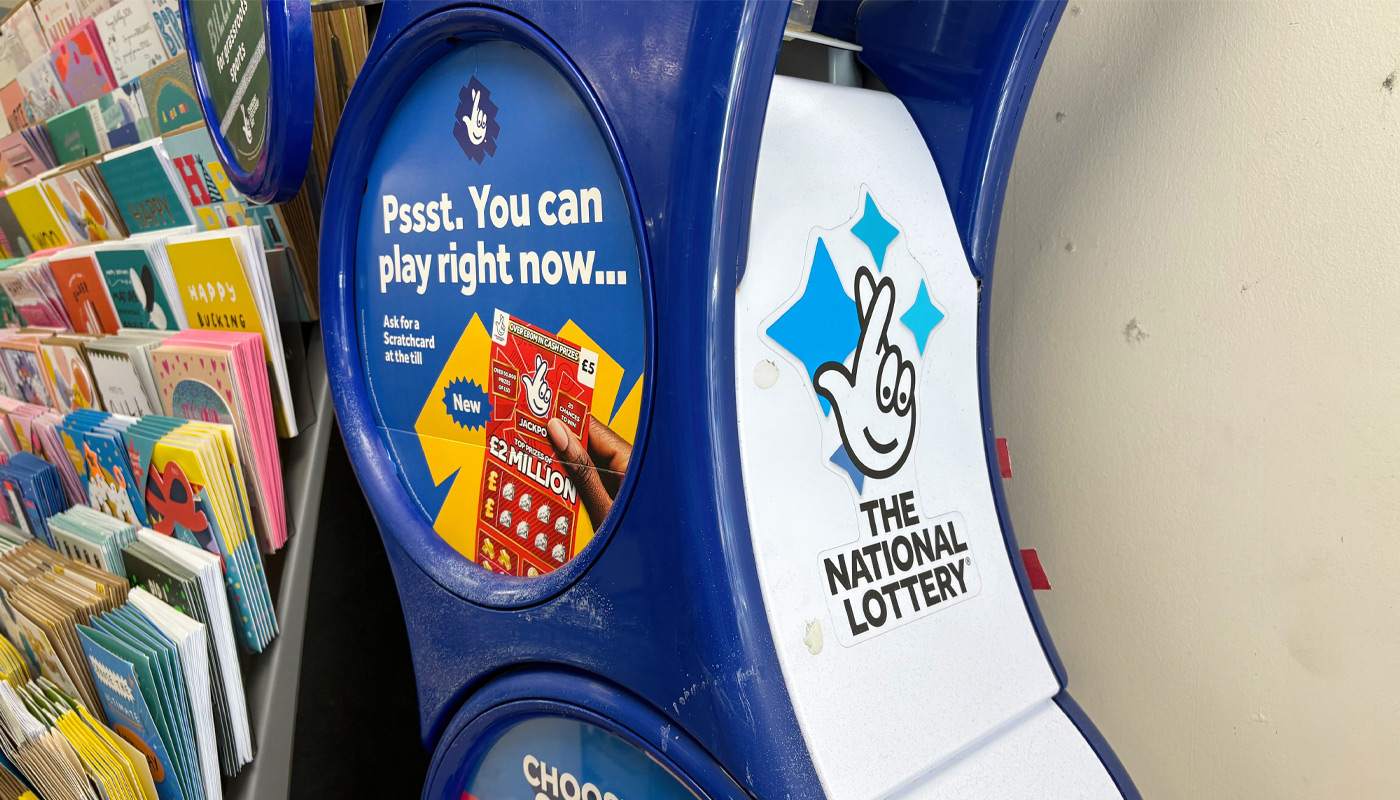
Physical scratch-off games represented $115.5 billion in retail sales globally last year. What's changing is how players engage with those games.
Beth Bresnahan, Chief Marketing & Brand Officer at Scientific Games, says the company designs omnichannel experiences from the start. Designers and UX experts collaborate from concept to launch, creating art and gameplay that translate seamlessly from printed ticket to digital screen.
Physical and digital games now complement each other through products, loyalty programs, and second-chance promotions that connect retail and online play.
The scratch-off isn't going anywhere. It's just getting smarter about meeting players wherever they are.
3. Mega Millions' new formula pays off as jackpots surge
The gamble pays off. By 2026, Mega Millions' controversial prize restructuring will vindicate itself with record jackpots. Casual players will flood back, drawn by the 10X multiplier. Other lottery games will rush to copy the model.
Six months in, the numbers tell the story. Through October 21, Mega Millions paid out $385 million in non-jackpot prizes. Under the old game, those same wins would have netted just $88 million. That's a 339% increase.
Joshua Johnston, Lead Director of the Mega Millions Consortium, explains the trade-off: the percentage of sales funding the jackpot was reduced to fund substantially larger payouts on lower-tier prizes.
The current jackpot sits at $800 million, already in the top 10 all-time. More than 4.1 million players have won the minimum prize of $10, totaling $41.8 million.
Compare that to the old game: match just the Mega Ball, win $2. Break even. Now you spend $5 and win at least $10. Maybe $15, $20, $25, or $50, depending on the multiplier.
Johnston confirms it was deliberate. Research showed the embedded multiplier was very appealing to casual players. Once the jackpot hits what players consider significant, they return. Sales spike. The jackpot follows.
4. Lottery courier services face a regulatory reckoning
The gray zone closes. By the end of 2026, lottery couriers will face increased scrutiny and legislation across the U.S.
Lottery courier services purchase physical lottery tickets on behalf of customers through digital platforms. Only two states have formal regulatory frameworks: New Jersey requires couriers to register, while New York mandates full licensing. Despite this, couriers actively operate in 17 states plus the District of Columbia.
The situation in Texas showed why regulation matters. In 2023, professional bettors from Europe allegedly partnered with a courier service to buy nearly 26 million tickets and virtually guarantee a jackpot win. Texas Lottery officials also allegedly facilitated the scheme by expediting the delivery of dozens of new terminals and allowing storefronts that functioned as ticket-printing operations.
The group claimed a $95 million jackpot.
State Senator Bob Hall called it an international conspiracy with the collusion of state officials.
The regulatory response was swift. On February 27, 2025, the Texas Senate unanimously passed a bill to ban lottery courier services. The Texas Lottery Commission declared courier services illegal and announced it would investigate retailers working with couriers.
Furthermore, the Texas legislature approved Senate Bill 3070, which abolished, effective September 1, the Texas Lottery Commission itself and shifted oversight of the state lottery to TDLR.
This transition was smooth, and players didn't experience any kind of disruptions. Since this change was made, the Texas Lottery has continued to deliver strong results.
Mississippi and South Carolina are taking similar action. The ethical questions remain: Do courier services undermine fair lottery play? Should states allow operations that enable guaranteed wins through bulk buying? What’s the space that lottery courier services should occupy in the lottery ecosystem?
5. Sports betting regulation shifts the gambling landscape
Federal regulation hits sports betting in 2026. The SAFE Bet Act or something similar to it passes. Advertising decreases in prime time. Growth slows. Lotteries get a level playing field.
Sports betting ads saturate professional sports broadcasts. These growing games pose a real threat to lottery revenue.
Currently, 38 states plus Washington, the District of Columbia, and Puerto Rico offer legal sports betting. Thirty states have online sports betting. In 2018, the Supreme Court struck down the federal ban, allowing each state to decide.
The SAFE Bet Act is the first comprehensive legislation addressing the public health implications of widespread sports betting legalization. It requires states to meet minimum federal standards in advertising, affordability, and AI.
Key provisions: no broadcast advertising between 8 am and 10 pm, no advertising during live sporting events, no bonus bet promotions, a five-deposit daily limit, no credit card deposits, affordability checks on customers, and prohibitions on AI tracking gambling habits or creating individualized offers.
The legislation would establish a nationwide prohibition with exceptions for states that receive Department of Justice approval. Sports betting legislation could reshape how people allocate discretionary money between sports betting and the lottery.
What this means for the lottery industry
2026 could be the most consequential year in modern lottery history because these five trends converge at once.
Lotteries that embrace data-driven personalization will thrive. Those who ignore omnichannel integration will fall behind. Mega Millions' bold experiment could reshape how all jackpot games think about prize structures. Regulatory clarity on courier services will either legitimize or eliminate a growing gray market. Federal sports betting regulation could level the playing field with lotteries' biggest competitor.
The industry faces a choice: innovate or stagnate.
The Hoosier Lottery showed the path forward. Scientific Games proved that physical and digital can coexist. Mega Millions demonstrated that players value winning something over chasing everything. Texas exposed the risks of unregulated intermediaries. The SAFE Bet Act could restore balance to the gambling ecosystem.
What happens next depends on whether lottery operators recognize the moment and act decisively.
The question isn't whether 2026 will change the lottery industry. It's whether the lottery industry will change fast enough by 2026.










Comments