
News writer, Interviewer

When a lucky individual wins the Powerball jackpot, their life changes forever. But for many, the newfound wealth brings with it a desire to give back.
According to recent data from The Chronicle of Philanthropy, more than 10 percent of the Powerball lottery's largest winners have established private foundations, transforming their prizes into powerful forces for good.
From supporting medical research to funding educational initiatives, these accidental philanthropists are making a tangible impact on society. However, turning these dreams into reality is no easy task.
The largest lottery-funded foundation to date was established in 2022 by a couple who won a $500 million jackpot. Their foundation, seeded with $150 million of lottery winnings, has the potential to make a significant impact.
While this foundation stands out due to its immense size, most other lottery-based foundations are far smaller, often with assets under $10 million and annual giving below $1 million. Notable examples include the Robert & Frances Chaney Family Foundation, which focused on child welfare, and the Calligan Family Foundation, which supports various causes such as the Red Cross and Catholic Charities.
This article explores the challenges and triumphs of lottery winners who have chosen to leverage their luck for the greater good.
The Rosenau family legacy of hope
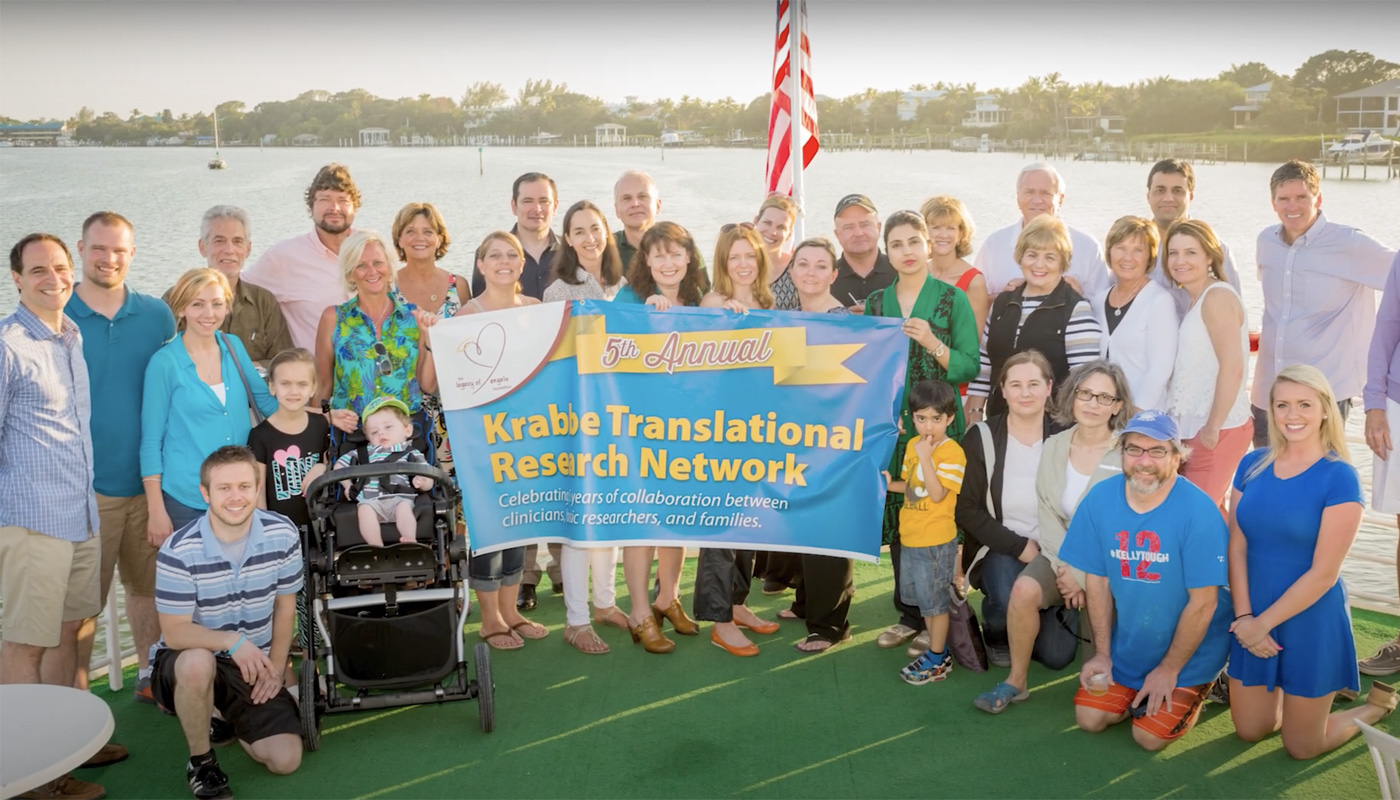
One inspiring example of a lottery winner using their winnings to make a difference is Paul Rosenau. After winning the $180,100,000 Powerball jackpot in 2008, Rosenau and his wife, Susan, decided to dedicate their winnings to fighting Krabbe's disease, a rare neurological condition that had claimed the life of their granddaughter, Makayla.
The Rosenau Family Research Foundation has since awarded over $22 million to researchers and advocated for mandatory testing for Krabbe's disease at birth. One of the most recent recipients of a grant from the foundation is Steven LeVine, Ph.D., a professor of cell biology and physiology at the University of Kansas School of Medicine.
LeVine's research focuses on developing new therapies to improve the quality of life for individuals with Krabbe's disease. With the support of the Rosenau Foundation, LeVine and his team are exploring innovative approaches to treating this devastating condition.
As Paul Rosenau explained, "We knew that they were there for us to have the ability to do something against that disease that we had hated so much."
The Rosenau Family Research Foundation is a testament to the power of hope and the positive impact that lottery winners can have on the world.
Roy Cockrum: A case study in philanthropy
Roy Cockrum, a former comic actor with a storied career in New York City, is a testament to the transformative power of the Powerball lottery. After decades of struggling to make ends meet, Cockrum's fortunes changed dramatically when he won a $60 million jackpot in 2014.
Rather than splurging on luxury items, Cockrum decided to use his winnings to make a lasting impact. Inspired by a memorable performance at the National Theatre in London, he founded a foundation dedicated to supporting innovative theater projects.
Cockrum's foundation has funded over 47 productions across the United States, breathing new life into the American theater scene. From supporting groundbreaking plays to providing grants to emerging theater companies, Cockrum's foundation has been instrumental in fostering creativity and innovation in the arts.
Key factors for Cockrum's foundation
Cockrum's success can be attributed to several factors:
- A clear vision: Cockrum had a specific goal in mind: to support bold and innovative theater projects. This clarity of purpose guided his foundation's direction.
- Experienced leadership: Cockrum assembled a team of experienced professionals, including a theater consultant and a foundation expert, to help him navigate the complexities of philanthropy.
- Strategic partnerships: Collaborating with established organizations and experts in the field of theater allowed Cockrum to leverage their expertise and expand his foundation's reach.
- Risk-taking: Cockrum was willing to take risks and support projects that were considered unconventional or financially risky. This willingness to think outside the box has led to some groundbreaking productions.
A guide to charitable giving
If you're lucky enough to win the lottery, you may be considering donating a portion of your winnings to charity. Here's a breakdown of the tax implications and best practices for giving back:
Timing matters
To avoid income tax on the entire amount, give the lottery ticket or an interest in it to a charity before the drawing. If you've already claimed the winnings, you can still make charitable contributions, but your tax deductions may be limited.
Understanding tax deductions
The amount you can deduct depends on your income and the type of charity. For donations to public charities, the deduction is generally limited to 60% of your adjusted gross income. However, there may be temporary exceptions or increased limits in certain years.
If you establish a private foundation, your federal deduction may be limited to 30% of your adjusted gross income. If you exceed the annual deduction limit, you can carry over the excess amount for up to five years.
State tax implications
State income tax laws vary, so it's essential to consult with a tax professional to understand your state's specific rules regarding charitable deductions. Some states may not allow any deduction for charitable contributions, so it's crucial to check your state's laws.
Additional considerations
You generally cannot deduct the value of office space or other expenses related to your charitable activities. It's highly recommended to consult with a tax advisor and a foundation expert to ensure you're following the correct procedures and maximizing your charitable impact.
By carefully considering these factors, you can make informed decisions about how to use your lottery winnings to make a positive difference in the world.
Lottery to legacy
The stories of Roy Cockrum, Paul Rosenau, and countless other lottery winners who have chosen to use their winnings for good serve as inspiring examples of the power of philanthropy. By leveraging their newfound wealth to support causes they care about, these individuals are making a lasting impact on their communities and beyond.
Whether you're a lottery winner or simply someone looking to give back, it's important to consider the tax implications and best practices for charitable giving. By understanding the rules and regulations, you can make informed decisions about how to maximize your impact and ensure that your generosity benefits those in need.












Comments