
News writer

Lotteries have long been a staple of state revenue strategies in the United States. They help to fund everything from education to infrastructure. However, where there are winners, there are also controversies. One big boiling point right now is how some state lotteries market their products near borders with lottery-free states.
This includes oversized billboards, gas station signage, and targeted digital ads. These aggressive marketing campaigns are becoming more and more visible along those lines on the map, where one state is selling dreams, and the other one is not.
Is this a savvy marketing technique or is it something more troubling? As states chase more lottery revenue, critics are asking: are they purposefully targeting out-of-state residents in ways that feel predatory? Or should these state lotteries be able to market their products as they see fit, as long as it's within legal boundaries? In this opinion piece, we are breaking down the pros, the cons, and the legal and ethical debates surrounding this new trend.
A new landscape for state marketing
For decades, these state lotteries were able to exist in a passive retail ecosystem. They were able to sell tickets at convenience stores, use newspapers to advertise jackpots, and create an occasional TV commercial to remind people to “play responsibly.”
However, we are now in the 21st century, and marketing has grown more targeted and more aggressive. Those states bordering lottery-free neighbors, like Colorado next to Utah or California next to Nevada, are increasingly pushing lottery advertising at those borders.
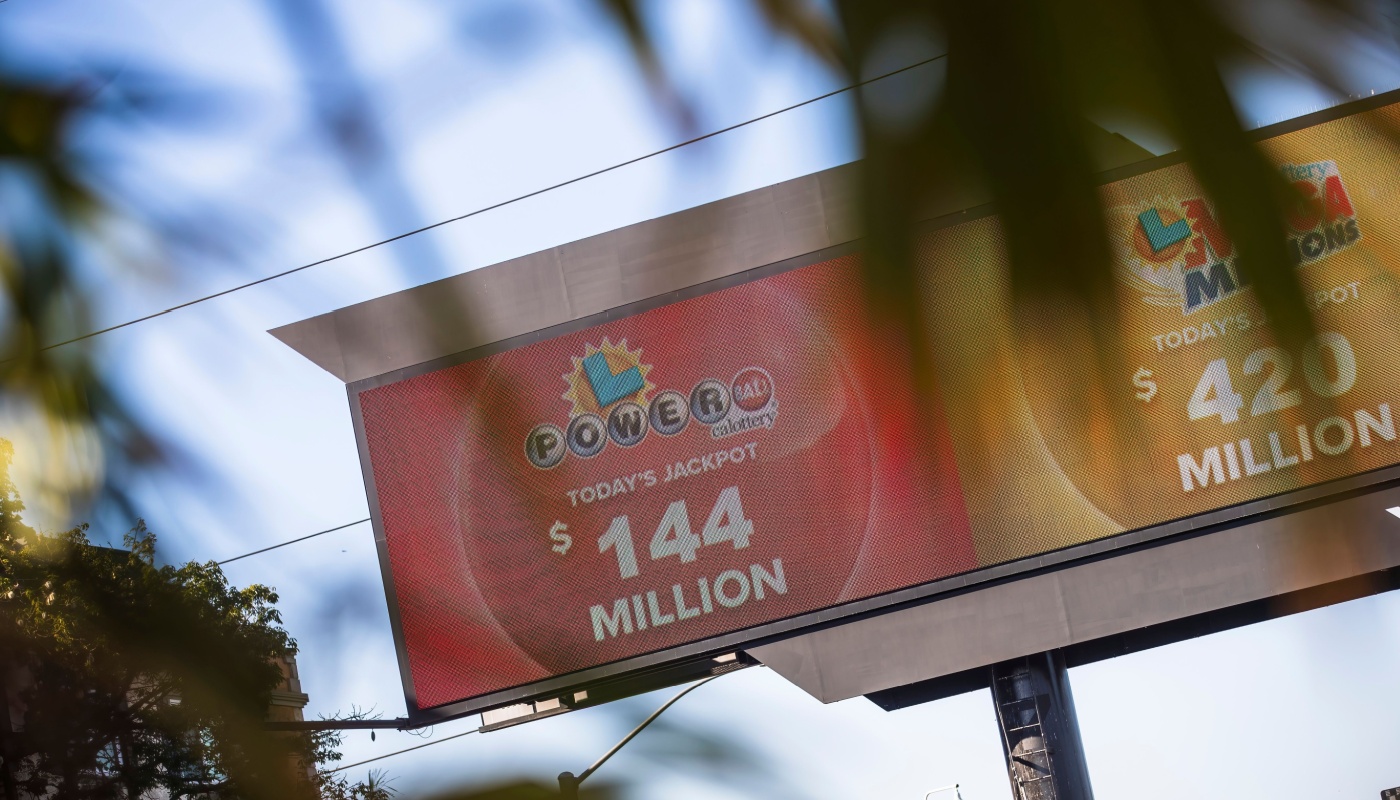
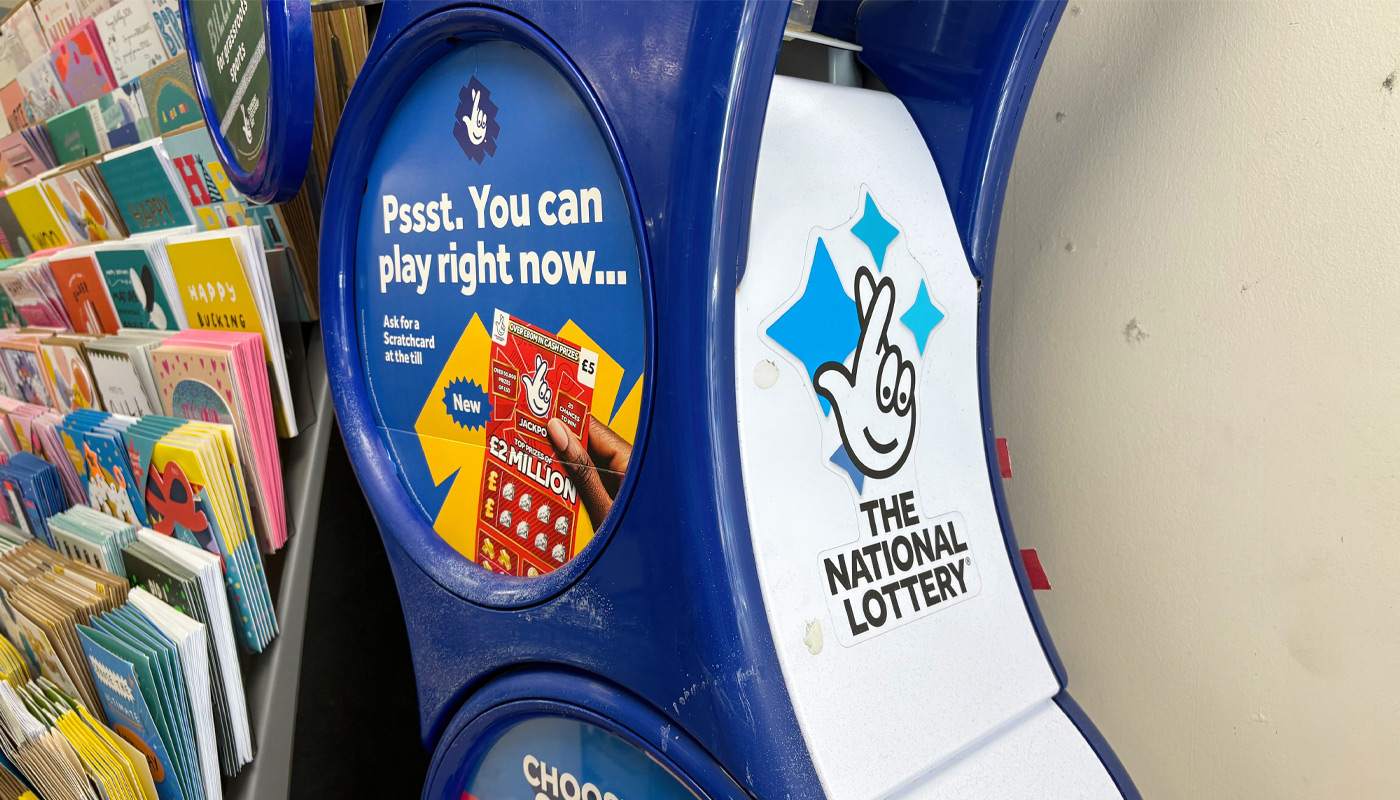
Billboards advertising big Powerball or Mega Millions jackpots are visible from afar. Gas stations are strategically placing their ticket racks where out-of-state visitors can see them.
We will even hear radio ads spill across borders on regional stations.
For lottery officials, this is a smart business move. They are maximizing their sales by reaching new customers. Critics feel like the advertising is designed to lure vulnerable residents into buying tickets they otherwise wouldn't have gotten.
Is this smart marketing or predatory tactics?
For those arguing this is smart marketing, we have these valid points:
- Revenue for public goods – State lotteries are normally in place to fund public programs, like education, senior programs, environmental conservation, and more. If marketing efforts are expanding sales, then you are theoretically increasing revenue for these services without raising taxes.
- Free market principles – These states are running their lotteries like authorized monopolies. That means they are competing for consumer attention as part of the business model. Other companies market their products across state lines, so state lotteries might too, provided they operate legally. It's up to the consumers to decide if they want to act on those advertisements or not.
- Consumer awareness – This aggressive marketing is actually helping to raise awareness. In these border states, residents may not know about their neighboring state's lottery products. By having this clear advertising available to them, it helps inform them of the options they have. This is a basic marketing function, not predatory.
Or is it predatory tactics?
However, not everyone thinks these types of campaigns are innocent. There are some real concerns: ethical, economic, and social that deserve scrutiny. They are:
- Targeting vulnerable people – Critics of the lottery state that lottery play is not evenly distributed across socioeconomic groups. Lower-income people tend to spend a bigger portion of their income on lottery tickets. These border regions are often areas with high poverty rates, so they are advertising to people who are least able to afford this discretionary spending.
- Blurred lines between tourism and seduction – Residents in these lottery-free states may cross the border to do basic errands, like groceries, get gas, or have a night out. However, they are being bombarded now with lottery messaging. When gas stations are greeting out-of-state drivers with “Your first ticket awaits,” it feels less like informative advertising and more like calculated inducement.
- Concerns about addiction – Problem gambling is an issue. This type of aggressive marketing seems to ignore the social cost of increased play. While state lotteries often promote responsible play, these visible and targeted ads may push people toward repeated purchases.
The legal aspect
Legally speaking, states have broad authority to operate and promote lotteries. However, there are limits:
- Interstate commerce and advertising – States are not allowed to directly regulate the advertising of their lotteries in other states. However, they do have to avoid targeting residents of states where lottery play is illegal, which makes it tricky. Most advertising campaigns will be aimed at “everyone in the region” and not just explicitly out-of-state residents. Lawsuits and legislative pushback aren't unheard of, as states will sometimes petition their neighbors to tone down the border advertising.
- Regulatory oversight – Many state lottery commissions have rules and guidelines in place, which often include language about not being able to mislead consumers or target minors and vulnerable populations. Of course, these guidelines vary by state, and there is also little federal oversight on how states can market their gambling products. Because it varies, it allows state lotteries to use marketing strategies that are aggressive but don't violate explicit rules.
A balancing act between ethics and economics
At the heart of this debate is the economic benefit and ethical responsibility of state lotteries.
We all know that lottery revenue is very important for many states. State lotteries have generated billions of dollars for public services across the country. Lottery sales near borders help contribute significantly to state budgets.
Thinking purely about economics, if a state can capture out-of-state demand, why shouldn't it be allowed? Borders on a map don't stop spending patterns. We often see states competing in everything from tax rates to tourism incentives. Marketing a lottery is just another area in which states compete.
On the ethical side of things, these state governments also bear a moral responsibility to their citizens. If one state's marketing exploits gaps created by differing public policies, like one state choosing not to have a lottery, then critics say this strategy preys on regulatory differences rather than serving the public good.
It raises fundamental questions like, should states respect other states’ policy choices and refrain from encouraging their residents to engage in behavior, like lottery play, that their home state has expressly decided against? Or is that unrealistic in a borderless economic environment?
Where do we go from here?
This is a debate that may never go away, but where do we go from here? There are no easy answers, but there are a few options that could make both sides happy.
One way is to have clearer advertising standards. There could be interstate model guidelines that could help standardize lottery advertising practices across borders.
It wouldn't be mandated, but a voluntary agreement where states agree on best practices that avoid overtly soliciting residents of lottery-free states. This could include transparency about odds and restrictions on location-based messaging that exploits border loopholes.
Up next could be enhanced consumer protections. This would allow states to couple marketing with stronger problem gambling resources. If these targeted ads are going to reach potentially vulnerable populations, then they should be paired with clearer information on support services and spending limits.
Finally, there needs to be respect for policy differences. While these states are clearly trying to win over residents in states that don't offer the lottery, they could adjust their marketing to be less intrusive. They could do this by reducing the number of border-specific promotions or agreeing not to run geofenced ads that target out-of-state phones. This just shows a respect for their policies, and it could build goodwill.
So, what is fair?
The big question in discussion lies with the idea of fairness. What does fair marketing look like when public policy decisions are different across state lines?
Some may argue that fairness means letting competitive dynamics play out. States should be able to maximize revenue as long as they are operating within the law. Meanwhile, others believe states have an ethical duty to consider the impact these marketing decisions have, not just on their residents but on neighboring populations.
This question isn't just about state lotteries. It can be heard in debates about alcohol taxes, tobacco sales, cannabis legalization, and even minimum wage differences.
Borders on a map don't stop consumer choice. However, they reflect the democratic decisions communities have made.
Is it smart, predatory, or somewhere in between?
This isn't a clear-cut answer. Aggressive state lottery marketing at borders is smart in economic terms. It helps to drive revenue for public programs with no tax increases. It’s also legal, leveraging tools common across industries.
However, it can feel predatory when it targets vulnerable populations or seems designed to undermine another state’s policy choices. These ethical concerns aren't small, especially as digital advertising grows more precise and pervasive.
In the end, the debate calls for a conversation between policymakers, lottery officials, consumer advocates, and the public. While states should be allowed to market within legal bounds, they also bear responsibility for the social impact of those strategies.
The goal might not have to be banning all border-focused lottery marketing. Instead, they should ensure that the marketing is transparent, responsible, and respectful of differing state policies. This would allow for smart revenue generation with ethical stewardship.
Enjoy playing the lottery, and please remember to play responsibly.










Comments