
News writer

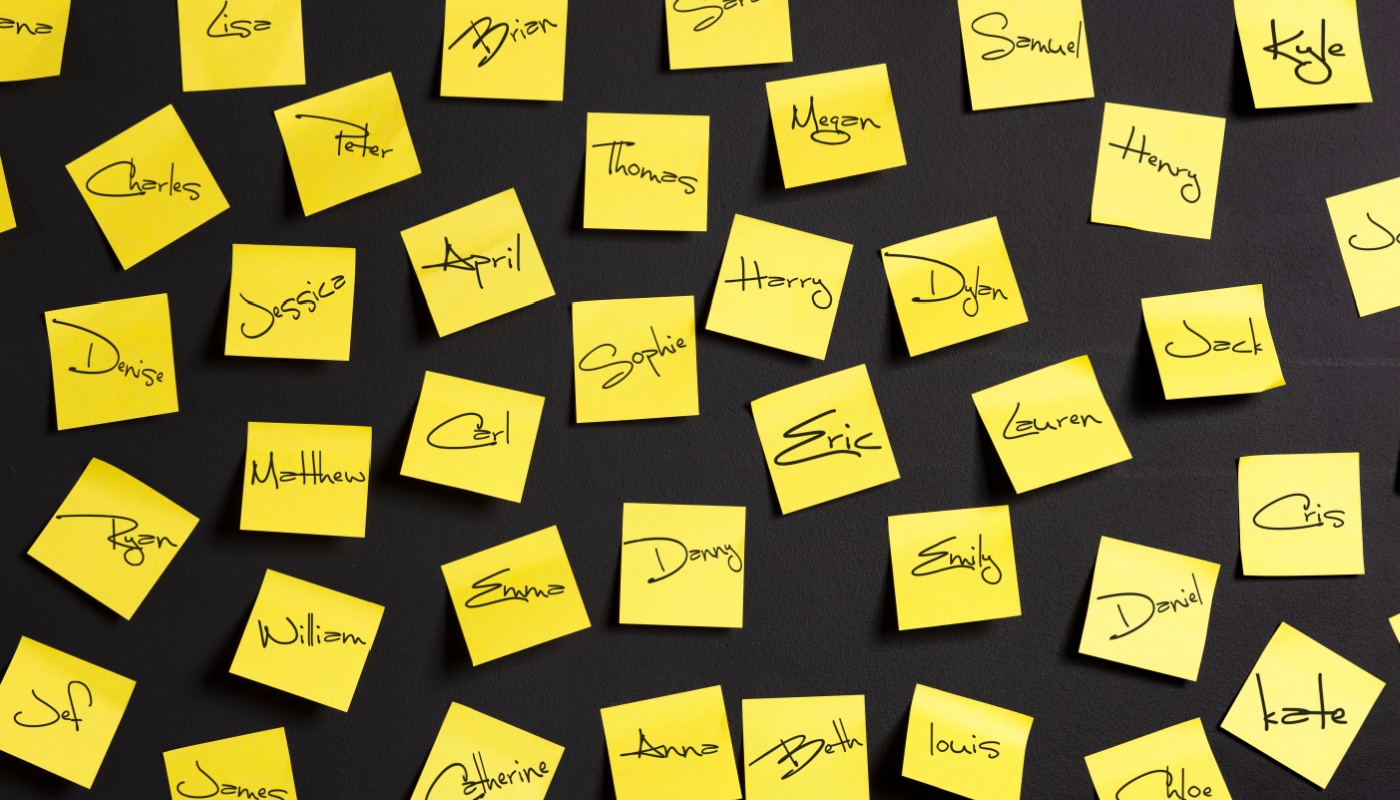
Lottery players know that every ticket they purchase has the same odds. However, when a study comes out that claims certain names appear more often on winner lists, it sparks something inside of them. Is it a coincidence? Is it fate? Or is it simply comforting to think that luck might recognize us personally?
A new study from BetUS Casino looked at 150 recent lottery winners in every state where names were publicly available. They ranked the first names, initials, and gender-based trends. The real story isn't whether these names are “luckier.” It's why so many people want them to be.
Why these lists grab our attention
For the rankings, here are the top male names and top women names for recent lottery winners across the country:
- Men – Michael (97 recent winners), John (82 recent winners), David (75 winners), Robert (69 winners), and James (68 winners).
- Women – Patricia, Amanda, Kimberly, Angela, and Deborah
These name-based lottery studies work because they feel personal. Unlike the size of a jackpot or a set of winning numbers, a name is something players already own. It's theirs, so if they see it on a “lucky” list, then it creates an instant connection, and often, instant hope.
This is called pattern-seeking behavior. When the outcome is random, the brain will look for meaning anyway possible. Names, birthdays, anniversaries, and repeated numbers all become anchors, even when they truly do not affect the odds.
These lists of lottery winners transform basic probability into a narrative that players can relate to. It's no longer “someone won,” but “someone like me won.”
A simpler explanation
Let's make it even simpler: population and participation play a huge part. Michael and John have been some of the most popular baby names for years. The age group where these names might be popular is also the age groups that tend to buy more lottery tickets.
This means that the name itself may or may not be lucky. Instead, the name is linked to a bigger group of people who regularly play the lottery. When this happens, of course, you are going to see more winners share those names.
In fact, these types of lists tend to reveal more about who the regular lottery players are rather than what names are lucky.
Do these lists make people play more?
For certain players, the response is in the affirmative. It can feel like the lottery gods are urging you to purchase a ticket when your name or even your initial appears on the list. Although it might get you to purchase a ticket, it doesn't override the logic.
Confirmation bias is the term for this. The data may be interpreted as a "sign" by lottery players who already find it enjoyable, even if they ignore its randomness. Remember that these studies only highlight trends in publicly available data; they do not assert that names have an impact on results.
Belief, however, is powerful. It helps reaffirm why individuals play in the first place: not just to win, but to imagine winning.
What should players keep in mind?
No list changes the odds listed on the back of the ticket, and no name ensures a jackpot. But these studies show that the lottery has always recognized the importance of hope, curiosity, and storytelling.
The lottery does not succeed because people anticipate winning. No, because they can briefly see themselves winning. Even while luck is still random, it's simple to understand why these rankings are popular with readers if seeing your name on a list helps to clarify that picture.
Enjoy playing the lottery, and please remember to play responsibly.








Comments