
News writer

A $1 lottery ticket doesn't usually spark a legal fight, but that's exactly what happened after a Washington woman says she was charged extra just for how she chose to pay. The dispute is now shining a spotlight on how lottery tickets are sold, what retailers are allowed to charge, and where convenience fees cross a legal line.
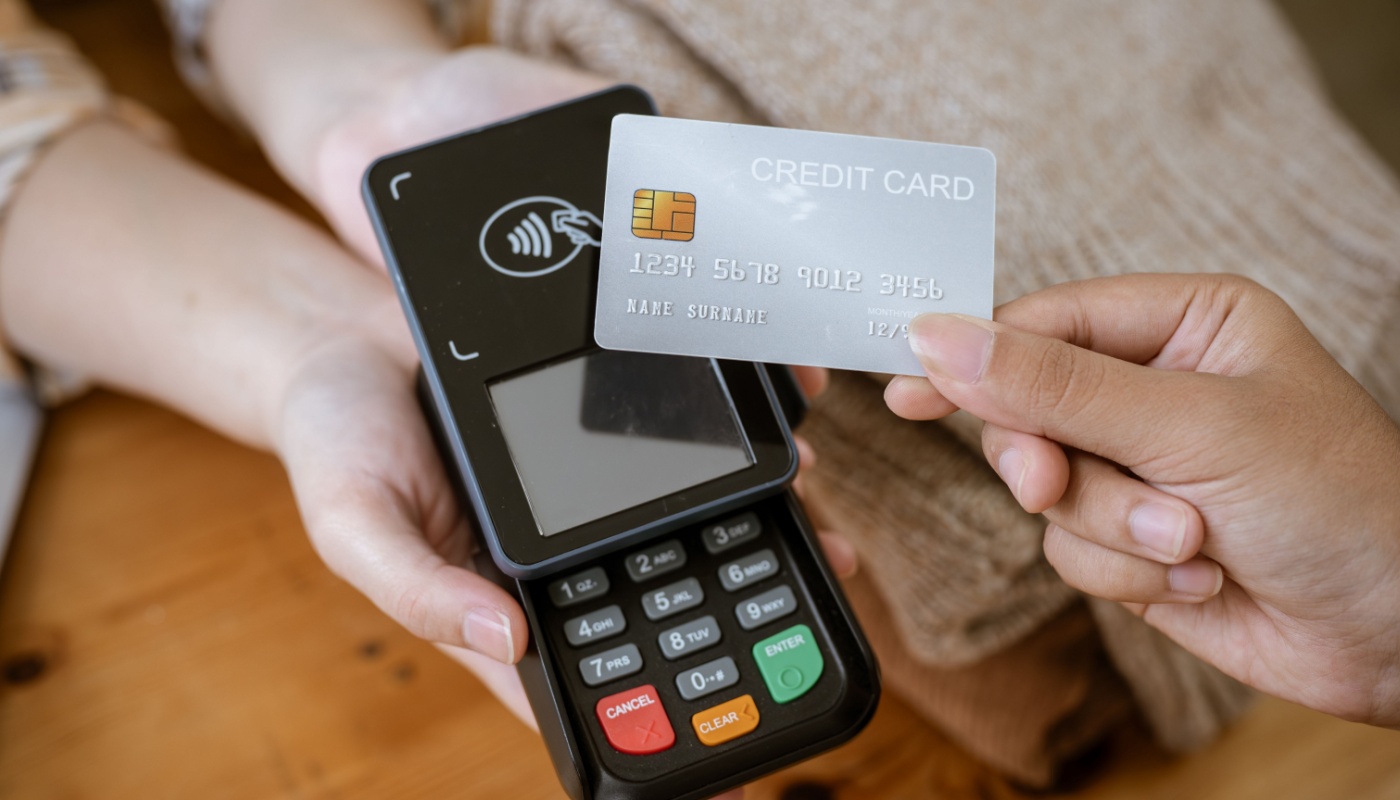
Earlier this month, Sharon Shumpert, 68, stopped at a gas station in Tacoma's Hilltop neighborhood and bought a single $1 lottery ticket. When she made an electronic payment, she says the lottery retailers added a 50-cent fee, bringing the total to $1.50. Shumpert wondered if this upcharge was legal and soon found out Washington law had a clear answer.
How the Washington law works
According to the Washington Lottery, its retailers are prohibited from selling lottery tickets for anything over face value. This rule is stated in RCW 67.70.110 and WAC 315-06-060, which explicitly bans markups on lottery sales.
In an email to The Olympian, Kristi Weeks, director of Legal Services for Washington's Lottery, said they “prohibit the sale of lottery tickets for more than face value.” This rule applies regardless of how the customer pays for those lottery tickets.
Lottery tickets are also not subject to retail sales tax in Washington. This means there's no tax-related justification for a higher price at the register.
Where do these fees become a problem?
Yes, retailers must sell tickets at face value. They are also allowed to decide which forms of payment they accept. They can choose to accept cash, debit cards, credit cards, or some combination of the three.
When accepting credit/debit card payments, we know that retailers are charged a fee for using this option. Weeks said, “If retailers do not want to pay a processing fee, they can decline to accept debit or credit for those purchases.”
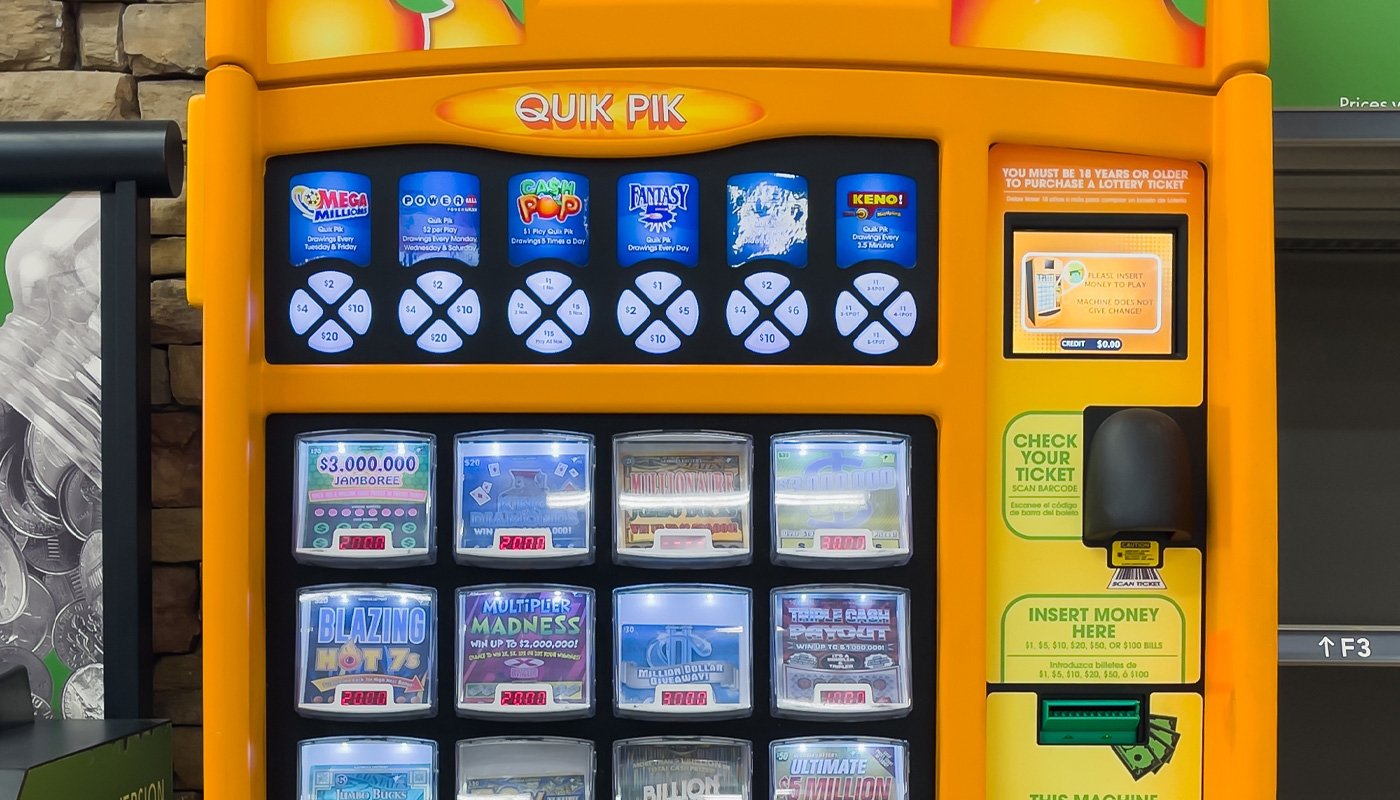
In the United States, there are 24 states that allow for the purchase of lottery tickets with a credit card. In Washington, the state lottery sells tickets through vending machines, which accept debit card payments but not credit cards.
For those using a debit card payment at the vending machine, the lottery absorbs the processing fees itself rather than passing them on to players, Weeks said.
How does the lottery enforce these rules?
Lottery officials say there are 3,640 licensed lottery retailers across the state. Most of them comply with the law. However, a retailer may occasionally sell tickets above face value, either intentionally or due to a misunderstanding.
If that were to happen, the Washington Lottery typically would start with some education and technical assistance. If needed, security staff can conduct undercover compliance checks at the lottery retailer.
If the retailer is consistently violating the rules, it can lead to license revocation. Weeks stated:
Our ultimate responsibility is to follow the law and not allow our players to be overcharged.
The Washington Lottery has revoked four retailer licenses since August 2022. However, none of those revocations were tied to ticket markups.
Warnings aren't enough
Shumpert is the person who got this conversation started. After her purchase, she decided to research the law. She then contacted lottery officials, who told her they would notify the gas station to stop charging the fees. However, that didn't sit well with Shumpert.
She thought the practice happened to exploit customers in a historically Black community. Shumpert thinks financial penalties should be considered. She told The Olympian:
This is the issue ... they've been doing it all along. To tell them just to stop is not good enough for me.
This case brings up a broader question many lottery players might not think about: when these convenience fees are common for other purchases, should lottery tickets be treated differently, or is the “face value” non-negotiable?
Enjoy playing the Washington Lottery, and please remember to play responsibly.










Comments