
News writer

Americans spend over $100 billion on lottery tickets every year. But nowhere in the US are consumers hungrier for the lottery than in Massachusetts.
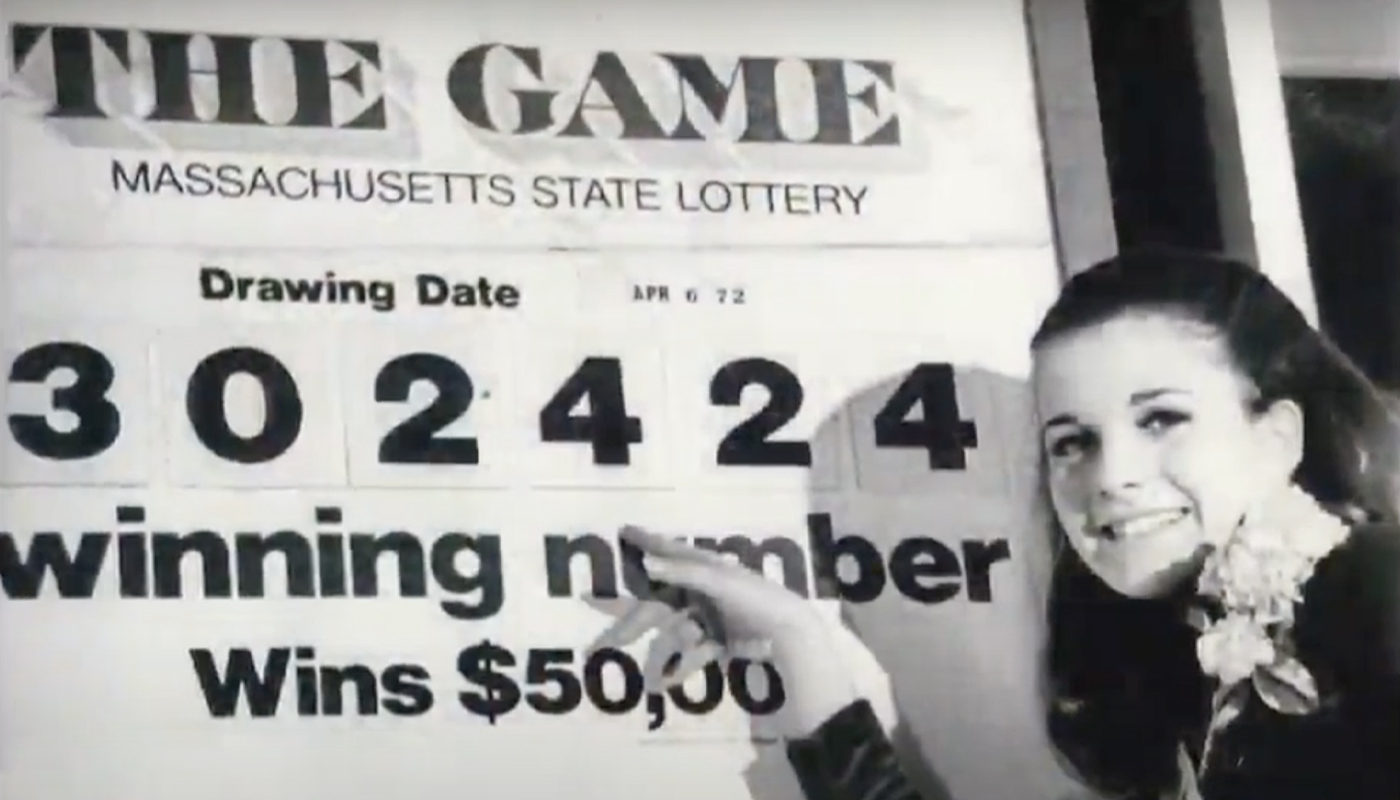
As the first state to distribute instant scratch-offs in the 1970s, one of the first states to offer player-chosen, daily games, and the highest national per-capita lottery sales ($839 per resident every year), the Massachusetts Lottery is today by far the most successful lottery in the country.
How did the Massachusetts state lottery get so massive? What effects has the game had on politics, gambling, and the people who love it?
The new, engaging 8-part podcast series “Scratch & Win,” produced by WBGH, a Boston member station of National Public Radio, chronicles the meteoric rise of the most successful lottery in the country.
Hosted by journalist Ian Coss - who has a comically delicate vibe compared to his thickly Boston-accented source interviews - the series provides a celebratory retrospective. The games have bestowed Massachusetts with everything from lucky windfalls to countless jobs and controversy rooted in the nation’s religious, political, and mob-ruled past.
“Scratch & Win” successfully takes listeners from the 1970s through today from the mouths of the sources who lived through it.
What’s it about?
State lotteries didn’t crop up overnight. Throughout the 1970s, a whac-a-mole of state laws and innovations, propelled by competition with illegal gambling outfits, slowly Frankensteined the lotto into what it is today.
In Massachusetts, the mafia was at a height of power. There was particular pressure to come up with a safe, secure, un-scammable, legal form of gambling - and there was tons of money to be made for the ones who got it right.
“Scratch & Win” kicks off with the captivating evolution of instant scratch games - even interviewing their inventor, a computer scientist named John Koza. In a race toward instant gratification, Massachusetts was the first to take up Koza’s lottery tickets with a special film that you scratch off with a coin and where you can see your results right away.
The election of the flamboyant, tireless Bob Crane as founding chairman of the Massachusetts State Lottery assured that the games would proliferate and explode, eventually besting the mob and garnering billions in revenue for the state, as well as corrupt political pockets.
Is it any good?
Yes! The podcast is a fun, easy-to-digest crash course of Massachusetts in the 1970s to now, told through the lens of the state lottery. Even non-Bostonites can enjoy the romp through history, religious factions, true crime, congressional shenanigans, marketing campaigns, and quirky interviews from Catholic church bingo gamblers to Whitey Bulger’s living associates.
The lotto journey in Massachusetts hasn’t been linear, but the state is at the forefront of the games, making it a role model for other states looking to evolve.
One shortcoming is that the podcast can be tone-deaf when it comes to addiction. Episode one opens with a 75-year-old mechanic, presumably named “Jack,” who spends every penny he has on scratch tickets, hiding his habit from his wife. He has no money saved for retirement, so these tickets are his last hope. At one point, “Jack” is at a lotto retailer. He proclaims he’s done with the scratch-offs for now and that he’s going back to work. But he comes back several times and buys more tickets before he actually harnesses the willpower to leave. In “Scratch & Win,” “Jack’s” opener is treated whimsically as an example of how adorably popular the lottery is rather than a sign of debilitating, life-ruining addiction.
This is a history podcast, certainly not a wellness one.












Comments