
News writer, Interviewer

The Nebraska Lottery finds itself at the center of a budget battle.
State officials want to redirect $8 million in lottery proceeds, money currently earmarked for environmental grants, to cover water department operations and salaries. Environmental advocates say that's illegal. The state says it's necessary.
At stake: how Nebraska uses nearly half of all the lottery revenue it generates each year.
How much lottery money are we talking about?
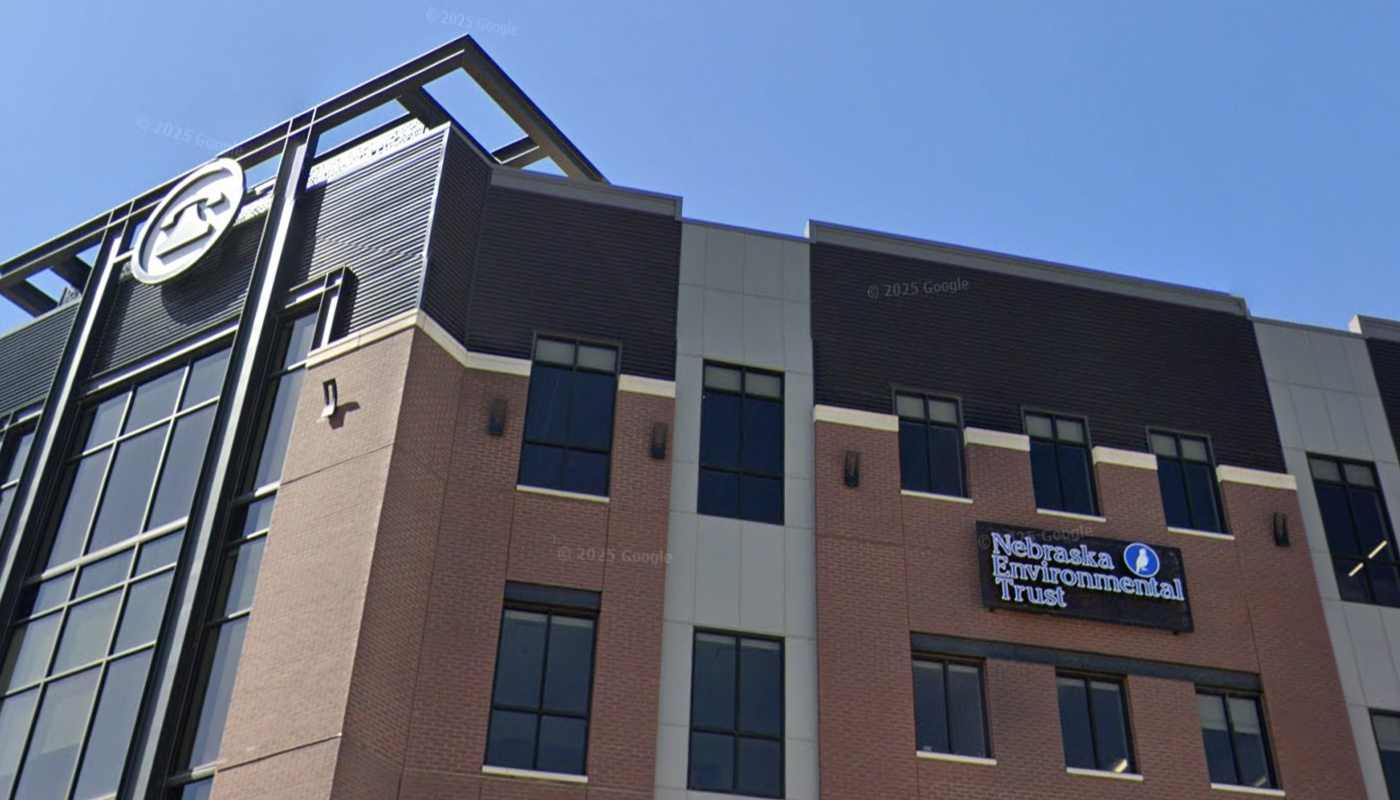
The Nebraska Environmental Trust receives 44.5% of all Nebraska Lottery proceeds. That amounts to about $20 million annually in recent years.
Since voters approved the lottery in 1992, this money has funded competitive grants for environmental projects across the state. Recent recipients include the Crane Trust, Ducks Unlimited, cities from Omaha to Mullen, and the Nebraska Game and Parks Commission.
The Trust's stated mission: "to conserve, enhance, and restore the natural environments of Nebraska."
What does the water department want?
The Nebraska Department of Water, Energy, and Environment is asking for $8 million from lottery-funded Trust reserves. The breakdown: $6 million for soil and water conservation programs and $2 million for salaries and administrative costs.
Department officials argue the transfer follows recent changes in state law. They note the Trust currently holds more than $70 million in reserves, so it can "easily" afford the withdrawal.
But here's the key question: can lottery money intended for environmental grants be used to pay state agency operating costs?
Why are Trust supporters fighting back?
Trust backers see this as a misuse of lottery proceeds.
Kristal Stoner, who heads Audubon Great Plains, warns that using lottery funds to patch budget holes will destroy the Trust's purpose. Sandy Scofield, a former state senator who leads Friends of the Environmental Trust, calls the proposal unconstitutional.
Both argue that Nebraska voters approved the lottery to fund environmental grants, not state agency budgets. They say basic government operations should be funded through general tax revenue, not lottery money.
Has lottery money been redirected before?
Yes. The Trust has faced repeated attempts to tap its lottery-funded reserves during tight budget times.
Last year, the Legislature allocated $15 million in lottery-funded Trust money over two years for soil and water conservation programs.
Since 2011, lottery funds have been transferred in some years to supplement water program grants.
In 2020, a lawsuit successfully blocked a $1.8 million lottery-funded grant for ethanol blender pumps. The court ruled it unconstitutional.
What's driving this fight?
Nebraska faces a $471 million budget shortfall. Some blame the 2023 income tax cuts projected to reduce state revenue by $470 million this fiscal year.
Trust supporters argue that basic government functions should be funded through general tax dollars, not by raiding lottery proceeds that voters designated for environmental projects.
What happens next?
The Legislature's Appropriations Committee will consider the proposed transfer during the 2026 legislative session, which begins on Wednesday. The Nebraska Environmental Trust Board meets on January 8 to consider this year's grant awards from lottery proceeds.
The fundamental question persists: should lottery money fund environmental grants as voters intended, or can it be used to cover state agency budgets?








Comments