

News writer

A recent National Lottery win has got people talking after the winner declared her secret to choosing the winning numbers. Many lottery players love “systems,” even in games that are built entirely on chance.
For this particular winner, a woman from West Dunbartonshire who chose to remain anonymous, she claimed a Set For Life jackpot after matching five numbers, winning £10,000 ($13,423 USD) a month for a year. How did she do it? There were no birthday numbers or lucky numbers. Instead, she used a spreadsheet that generated random number combinations for her. After four months of using this method, she won the big prize.
Now she has a £120,000 ($161,005 USD) payday, has booked a vacation to the United States, and has plans to move to her favorite neighborhood. Besides this big win, her story shines a light on something deeper about how players interact with lottery games.
A layer of control
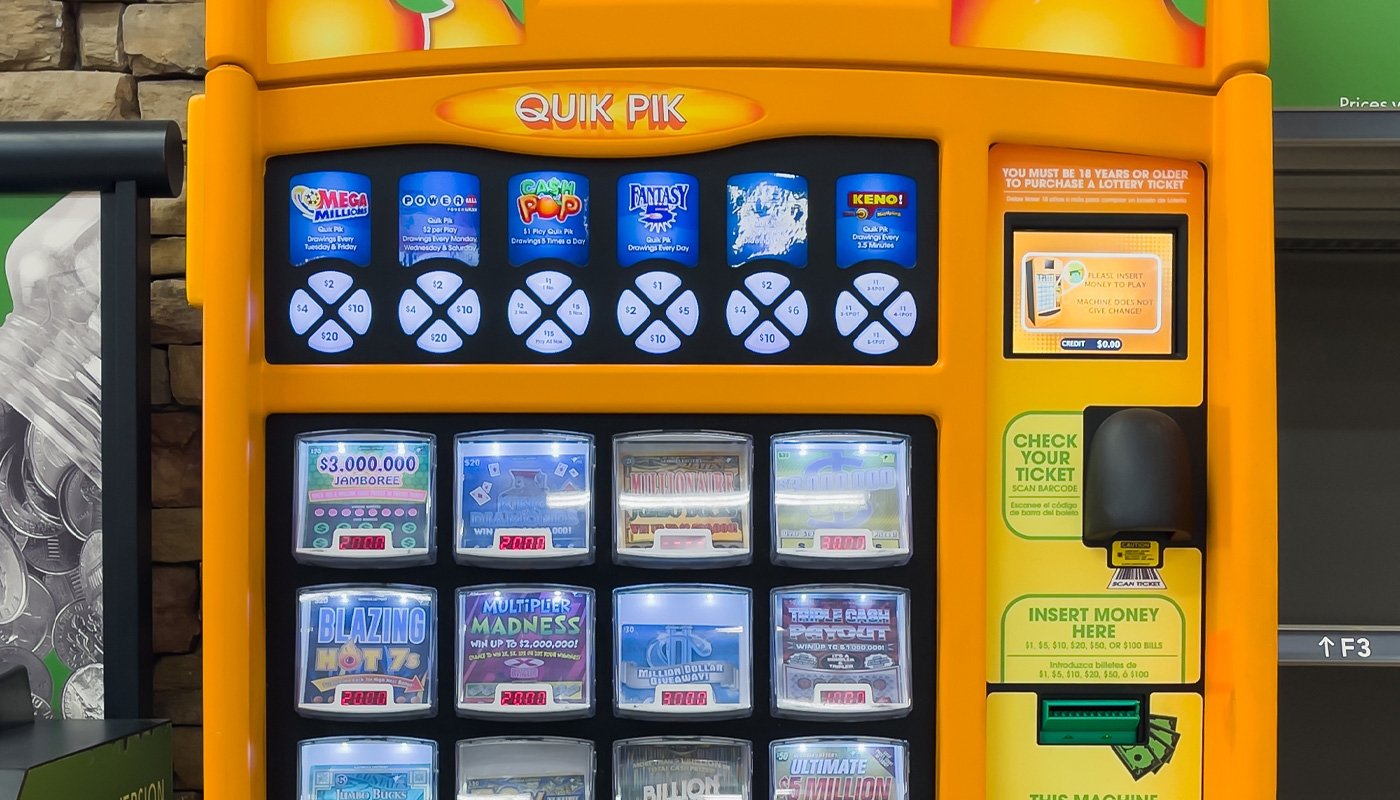
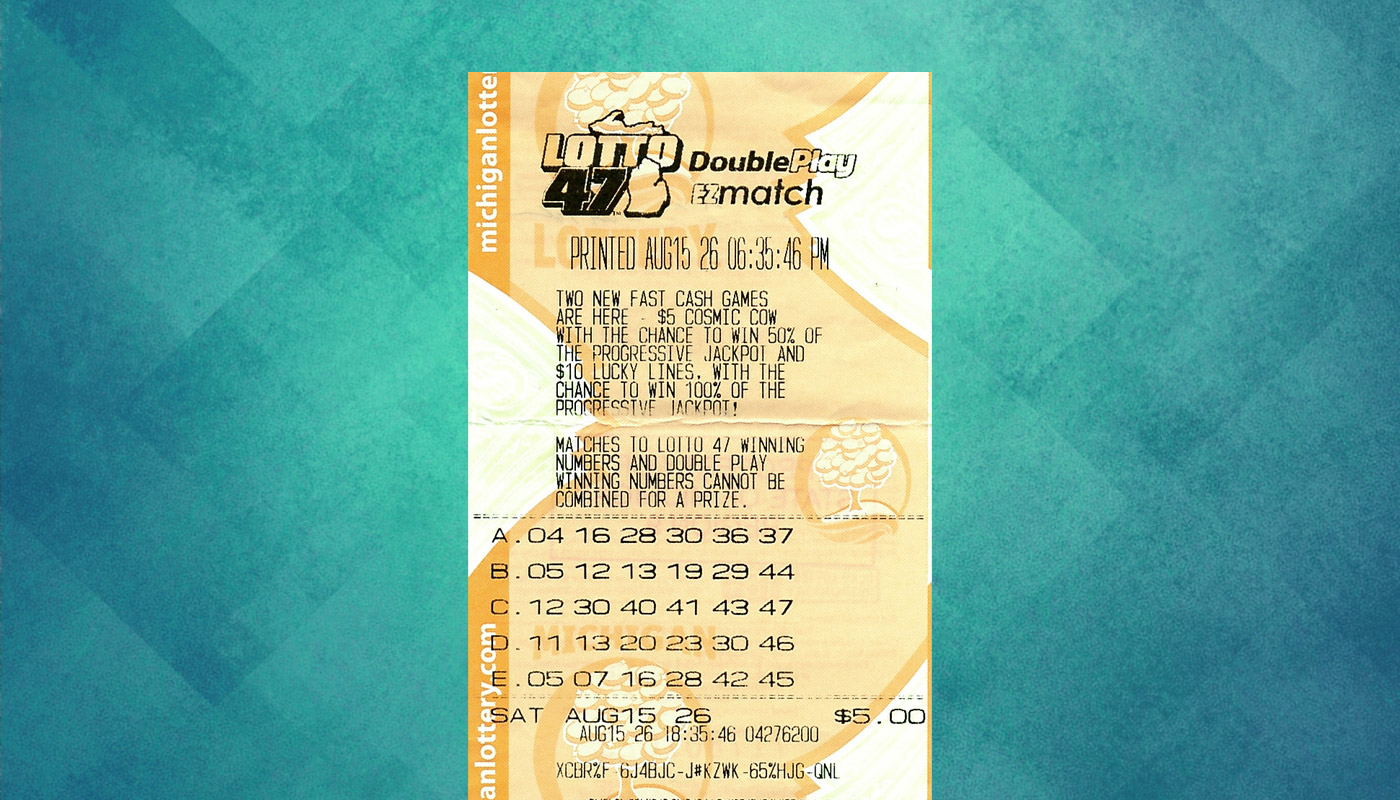
Yes, this lucky winner used a spreadsheet to generate random numbers. However, the spreadsheet itself didn't predict the winning numbers or uncover hidden patterns. By design, it simply generated random numbers. This is no more or less random than the numbers you would get using the Quick Pick selection.
However, many players feel this act of building a system creates a feeling of involvement and agency. Instead of just sitting back and accepting chance, these players feel like they are doing something to influence the outcome. This is true, even when the odds of winning remain unchanged.
This sense of control can be powerful. Psychologists refer to this as the “illusion of control,” a tendency for people to believe they can influence outcomes that are actually governed by randomness. For lottery players, these systems, whether it's spreadsheets, charts, or rituals, give them structure in an otherwise unpredictable game.
Structure feels better than pure chance
When dealing with randomness, it can be uncomfortable. However, systems feel orderly and intentional. Even though decisions are mathematically random, this method gives players confidence that they aren't.
This doesn't mean that systems are foolish. In fact, many players say having a routine makes lottery play more enjoyable. Choosing numbers the same way each draw, tracking entries, or using tools to randomize selections can reduce stress and eliminate second-guessing.
For this particular winner, her spreadsheet probably did exactly that: it removed the emotion from picking the numbers while still giving her ownership over the process.
The timing myth
One part of this story that truly stands out is how quickly she was able to get a big win after using this method. In just four months, she went from coming up with the idea to hitting it big.
It's stories like this that can unintentionally reinforce the idea that a method “worked.” In reality, there is no timeframe when it comes to the lottery. A big win in four months carries the same odds as a big win four years later, or never winning at all.
However, our brains are wired differently. We want to look for a cause and an effect. This is especially true when success follows any effort. The spreadsheet didn't change her odds of winning. All it did was change the experience.
Enjoy playing the lottery, and please remember to play responsibly.














Comments