
News writer

Although the market for online lotteries is expanding quickly, the billions of dollars involved are not the true story. The truth is that, particularly in the US, the transition to digital gaming is subtly altering how consumers engage with lottery games. According to a recent report, mobile adoption and global revenues are on the rise, but underlying those figures is a behavioral change that is subtly altering player habits.
Convenience is changing the game
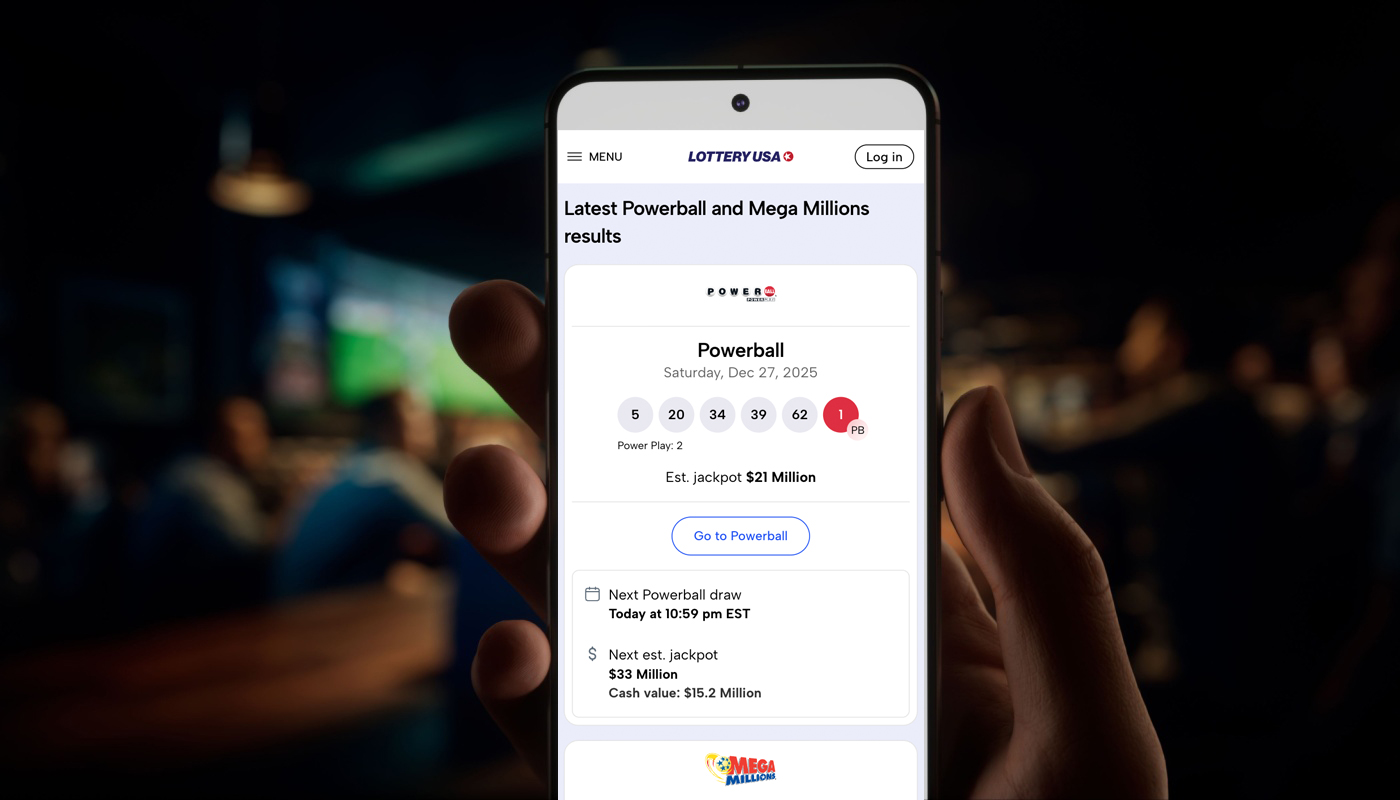
One of the big drivers behind this online lottery growth is convenience. Mobile platforms now account for over half of all ticket sales worldwide. This allows players to buy tickets in seconds without needing to visit a retail location.
For states that allow online sales in the U.S., the process often involves stored payment methods, saved numbers, and instant confirmation.
This convenience is helping to remove the barrier that once stopped people from playing before. You don't have to plan a trip to the gas station to buy your lottery tickets. Instead, you can buy them while sitting on the couch, riding in the car, or watching TV.''
This shift in convenience can turn occasional participation into a more frequent routine, even if the spending per ticket stays the same.
Subscriptions up the game
There is another big change that comes into play: subscription-style lottery play. Many online platforms now let players automatically enter every drawing for a specific game.
They will just charge their account each time. For players, this is an awesome way of making sure they never miss another drawing.
These subscriptions also normalize repeat play. Instead of having to make an active decision for each ticket, participation becomes passive.
Players don't need to think about how often they're playing. Instead, the online platform will do the work for them.
Younger players are looking at the lottery differently
The study, which was conducted by Mordor Intelligence, states that these online lottery platforms appeal more and more to younger, mobile-first audiences. They do this through gamified experiences and app-based design.
Yes, traditional lottery games haven't changed much over the years. However, the way they're presented to players has.
Push notifications, reminders, and sleek interfaces make lottery participation feel closer to other digital entertainment options. For these younger players who have never had to form a habit around buying paper tickets, online play becomes their default, not an alternative.
Regulation builds trust
The growth of these online lottery platforms can also be linked to regulatory expansion. Recent moves, like Massachusetts approving online lottery sales, reflect a broader trend toward regulated digital platforms.
These platforms will emphasize security and consumer protection. By having clear rules and licensed operators, it will make players feel more comfortable participating online.
However, regulation doesn't necessarily address how habits evolve once play becomes easier. Even in the most regulated markets out there, the behavioral impact of convenience remains.
What this growth means for U.S. players
Globally, the online lottery market is expected to grow from $11.53 billion in 2025 to nearly $18 billion by 2030.
This growth isn't just about technology catching up in the United States. No, it's about how digital access reshapes everyday behavior.
For lottery players, this shift offers real benefits: convenience, security, and flexibility. At the same time, it changes the rhythm of play. It makes participation more seamless and, in some cases, more frequent than intended.
As we see more and more states approve online lottery options, understanding those habit changes may matter just as much as tracking jackpot sizes or sales totals.
Enjoy playing the lottery, and please remember to play responsibly.
















Comments