
News writer, Interviewer

Minnesota Lottery is getting a major tech overhaul. The Lottery has signed a seven-year contract with Scientific Games, one of the world's largest lottery technology companies. The deal could extend to ten years.
The goal is to replace aging legacy infrastructure with a modern, cloud-based system built to handle both retail and digital sales.
What's driving the change?
Legacy lottery systems carry risk. They limit flexibility, cap growth, and age out of security standards. Minnesota Lottery's leadership recognized this.
"We were seeking modern technology and a solution focused on service and partnership," said Adam Prock, Executive Director of the Minnesota Lottery. Scientific Games, he noted, was aligned with the Lottery's vision for growth.
That vision includes responsibly growing the Lottery's contributions to state programs. This is an important mandate for a public institution that has generated over $4 billion for Minnesota since 1990.
The changes ahead
Scientific Games will deploy its Momentum ecosystem across the Minnesota Lottery's network. Momentum is a cloud-based platform combining a central gaming system, business intelligence tools, retailer management software, and distribution technology.
On the retail floor, players and clerks will see new hardware:
- SCiQ digital menu boards.
- WAVE clerk-operated terminals.
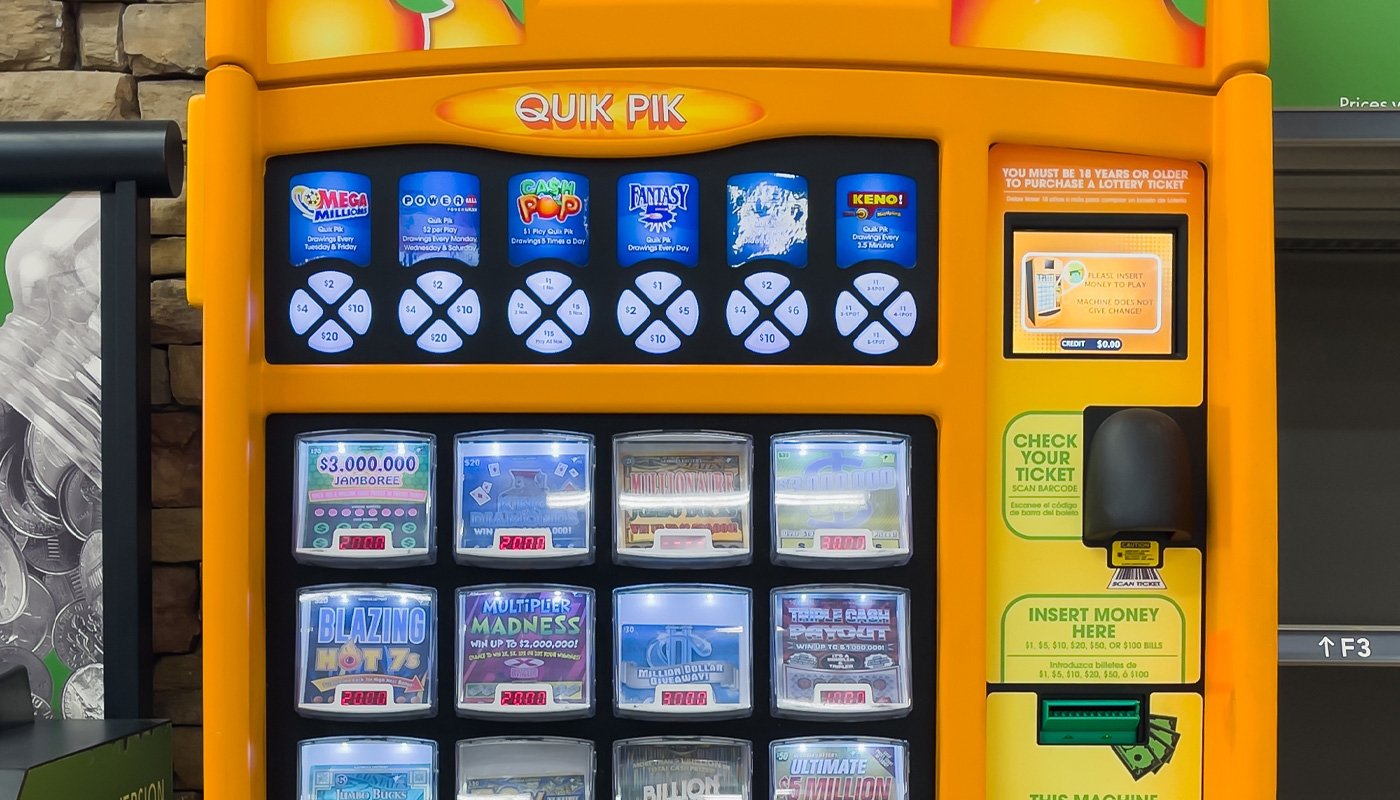
- PlayCentral self-service machines.
These aren't just upgrades. Self-service machines can open entirely new distribution channels, putting tickets in more places without requiring additional staffing.
A second-chance promotions platform with CRM support rounds out the package. This is a tool designed to keep players engaged between purchases.
Why Scientific Games?
The company has momentum of its own. It has been selected by four North American lotteries in the past 18 months: Minnesota, Ohio, New Mexico, and Loto-Québec. Globally, it has completed more than 50 lottery system implementations and conversions over the last decade.
That track record matters. A systems conversion is a high-stakes project. Downtime, errors, or data issues during a transition can damage retailer relationships and player trust.
"A systems conversion requires a strong partnership and months of cooperation and collaboration," said John Schulz, President of Americas & Global Instant Products at Scientific Games.
What it means for Minnesota
Since 1990, the Minnesota Lottery has directed more than $4.3 billion to state programs. Over $1.7 billion has gone toward environmental preservation. Another $2.3 billion has funded education, public safety, and health and human services.
Better technology should mean better sales performance. Better sales performance means more money for those programs.
For players, the changes promise a smoother, more modern experience, both in-store and online. For retailers, new tools and smarter systems. For the state, a lottery infrastructure is built to grow.
The transition timeline hasn't been announced. But when it lands, Minnesota players will notice.