
News writer

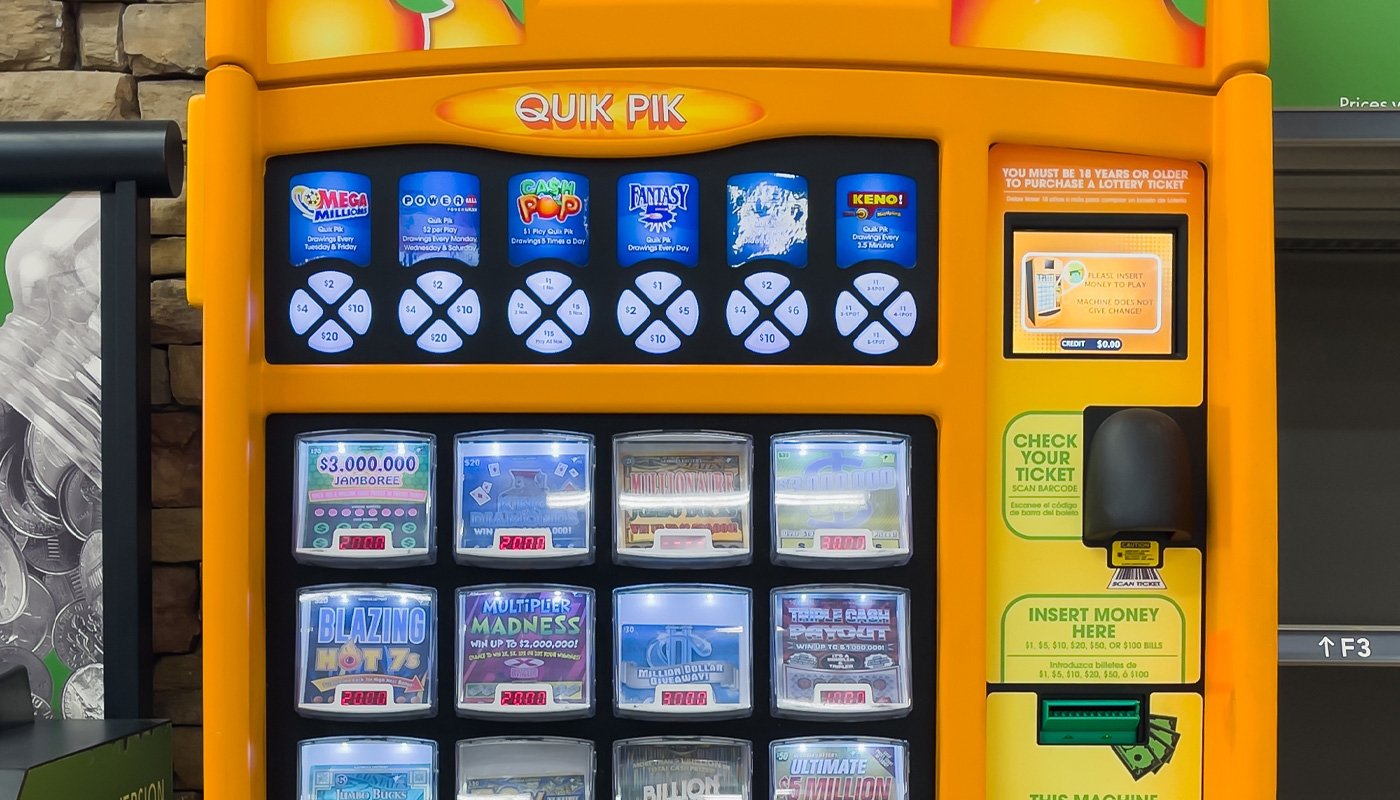
For generations, the lottery had a unique place in American life. It was simple and ritualistic. People would grab a slip at their local gas station, scribble down a handful of numbers, and then get a paper ticket. The thrill came with watching the evening drawing live on television.
Today, that experience is changing, and changing quickly!
Across the country and around the world, lotteries are migrating into the digital entertainment economy. We now have mobile apps, which allow players to buy tickets online, track results, and even instantly redeem smaller prizes. We also have digital “instant-win” games, which seem to mimic a slot machine.
We even see lottery operators partnering with fantasy sports companies, experimenting with prediction-style games, and looking into interactive features that help keep players engaged. All of these changes bring up a question: Is the lottery still the lottery, or is it quietly becoming just another online game?
There is no simple answer. Boundaries between lotteries, online gambling, and digital entertainment are increasingly difficult to see.
From those paper tickets to using apps
The first major shift players started seeing came because of convenience. For years, state lotteries depended almost entirely on physical retailers, like convenience stores, grocery stores, and gas stations.
To buy a lottery ticket, people had to leave their houses. Because of that, the action of buying a lottery ticket was often rooted in everyday routines, like stopping to get gas and buying a lottery ticket, or picking up a ticket while grocery shopping.
However, the smartphone changed everything.
Now, many states allow players to buy tickets online or through official lottery apps. Players can also access digital accounts where they can store tickets, receive automatic notifications, and manage their play.
We have even seen some states introduce “iLottery” games, which are online-only instant games designed for mobile and desktop play. They are scratch-off tickets, but digitally.
Looking at it from a business standpoint, it all makes sense. The global online lottery market is growing rapidly, with estimates suggesting it could grow to about $167.8 billion by 2030. This will be driven largely by mobile access and digital payment systems.
On the player side of things, the benefits these changes offer are obvious: convenience, speed, and accessibility.
That convenience, though, has also changed the character of the lottery itself. When the lottery lived mostly in those retailer spaces, it felt like a discrete activity.
It was something you did occasionally. With it moving into an app on your phone, it now sits alongside social media, games, and streaming platforms you are using on your phone. Now the lottery has become a part of the broader digital entertainment ecosystem.
This is where the line begins to blur.
Digital instant games are gaining popularity
One of the biggest shifts in modern lotteries is the growth of online instant-win games. For traditional draw games, like Powerball or Mega Millions, they operate on delayed gratification. A player buys a ticket, then waits for the drawing to take place and hopes they win. That suspense is part of the appeal, but digital instant games flip that formula.
By clicking a button on their phone, lottery players can now reveal the results instantly. This whole experience often includes animations, sounds, and interactive visuals. While some of the digital games resemble scratch-off tickets, others are very similar to casino-style slot machines.
Lottery operators have learned that engagement increases when feedback is immediate. Players see their results immediately. This type of fast-paced gameplay not only encourages repeat play, but the digital side of things gives players endless variations in themes and mechanics.
Some critics say these changes risk transforming the lottery from a slow-paced game of chance into something closer to online gambling.
There are some lottery regulators who have tried to draw explicit boundaries. In certain areas, laws are in place that prohibit lottery products that “simulate casino-style gaming.” This shows the concerns people have with how closely these digital instant games resemble traditional gambling formats.
The industry continues to experiment and try new things. They know the truth is simple: digital instant games are very popular.
Bringing gamification into the modern lottery
The next step for the lottery is what the tech industry calls gamification. What is gamification?
This means adding elements commonly found in video games to activities that typically don't have them. Examples of this are progress bars, rewards, levels, and challenges.
How would this look for the lottery? It could include features like:
- Loyalty programs and bonus credits.
- Daily login rewards.
- Limited-time promotions.
- Personalized recommendations based on your playing history.
These features are not harmful. They are pretty standard for modern digital services, from fitness apps to language-learning platforms.
However, these changes do change the psychological experience of playing the lottery. Instead of buying a single ticket and then waiting for the drawing to take place, now players can interact with lottery apps nonstop.
Not only that, but players are getting notifications that encourage them to return. There are new games being added regularly. And some promotions often reward frequent engagement.
For younger audiences, this new digital approach may be the only way state lotteries can remain relevant. However, this relevance can come with trade-offs.
Merging lotteries with the gaming industry
One of the biggest signs of change is the growing connection between lotteries and other forms of gaming. We have recently seen several lottery operators and gaming companies begin crossing over into each other's territory.
This could be seen when lottery operator Allwyn agreed to acquire a majority stake in fantasy sports platform Prize Picks for $1.6 billion. This was all part of a bigger strategy to expand beyond traditional lottery operations and help deepen their involvement in digital gaming markets.
Fantasy sports, prediction markets, and sports betting all take space in neighboring territory to lotteries. They all involve making wagers on uncertain outcomes. They are often wrapped in game-like experiences. As these industries start to converge, the distinctions between them become less clear.
Thinking from the corporate side of things, the logic is pretty straightforward. The gaming companies want access to lottery players, and the lottery operators want to stay competitive in a rapidly evolving entertainment landscape.
From a cultural perspective, this shift represents something deeper. We no longer see the lottery being isolated from the broader gaming economy. Instead, it's increasingly part of it.
Why are lotteries changing?
So, why are lotteries changing so quickly? State lotteries are facing many pressures to stay relevant:
- Demographics: The younger generations — Millennials and Gen Z — consume entertainment differently than previous generations. They expect everything to be on their phone, so lotteries must modernize to appeal to these younger generations.
- Competition: Sports betting, fantasy sports, and online casinos are intense competition for state lotteries. They risk appearing outdated compared to these others, so digital innovation becomes a survival strategy.
- Revenue: The money from lotteries helps fund education programs, infrastructure, and environmental initiatives. State lotteries must maintain strong sales to keep their state budgets in line. These digital products offer a potential path to sustain revenue growth.
The lottery doesn't want to become "just another game"
While there are advantages to the online side of things, the transformation of lotteries does raise some legitimate concerns. One of the big questions is whether or not the lottery industry would lose the identity that made it unique in the first place.
Looking back, lotteries were known for a few simple principles:
- Clear rules
- Transparent drawings
- Slow-paced gameplay
- Large, but infrequent jackpots
These characteristics were what kept lotteries separate and different from casinos and other gambling products. When state lotteries start to resemble mobile games with the constant play and quick outcomes, that distinction weakens.
Critics of this shift worry it could lead to higher rates of problem gambling. The easier it is to play, the easier it is to play too often.
These digital platforms also give players features a retail store never could: push notifications, personalized promotions, and automated purchasing. While none of those features are harmful, they could change the relationship between player and game. Lottery play can go from an occasional ticket purchase to constant play.
Why modernization is needed
Yes, there are critics. However, they are also supporters who say modernization is needed. They say critics overlook several important realities:
- Regulation: State lotteries are heavily regulated compared to many other forms of gambling. They also contain many responsible play tools, like spending limits and self-exclusion options.
- Lottery experience is still present: Going digital doesn't take away the original lottery experience, as there are still Powerball or Mega Millions drawings taking place. You can still go to a lottery retailer and buy scratch-off tickets. These digital platforms are just adding another option.
- Becoming competitive: If players want to use online platforms, they will find something online to play. By offering them a regulated platform, they are more likely to choose the state lottery platform over a less-regulated alternative.
What the future of the lottery might look like
When looking ahead, here are some trends we might see for the lottery:
- Mobile-first platforms where most tickets are purchased using apps.
- AI-driven personalization that recommends games based on player preferences.
- The use of blockchain technology can help verify results and increase transparency.
- Augmented or virtual reality games will transform lottery play into an immersive experience.
Industry experts are expecting the lottery to become more interactive and more integrated with everyday digital life. However, it will still retain its core identity, which is being a chance-based game.
The challenge it faces will be balance. They don't want to add too little innovation, as it could become irrelevant. However, too much change, and it alienates some long-time players.
The real question for lotteries
State lotteries are going to continue to evolve, so that's not even a question. The real question is how far that evolution should go.
When does the lottery stop being a lottery and start becoming something else? There is no definite answer, and each state lottery, regulator, and player will draw their own line that aligns with their thinking.
This debate shows us one important thing: the lottery is no longer just a ticket you buy at a corner store. The lottery is part of a rapidly expanding digital entertainment ecosystem. It's in a place where gaming, gambling, and technology all overlap.
Will this transformation strengthen the lottery or reshape it beyond recognition? This depends on how thoughtfully the industry navigates the next few years.
For now, one thing is certain: the lottery ticket has entered the digital age, and the game may never feel quite the same again.
Enjoy playing the lottery, and please remember to play responsibly.