
News writer

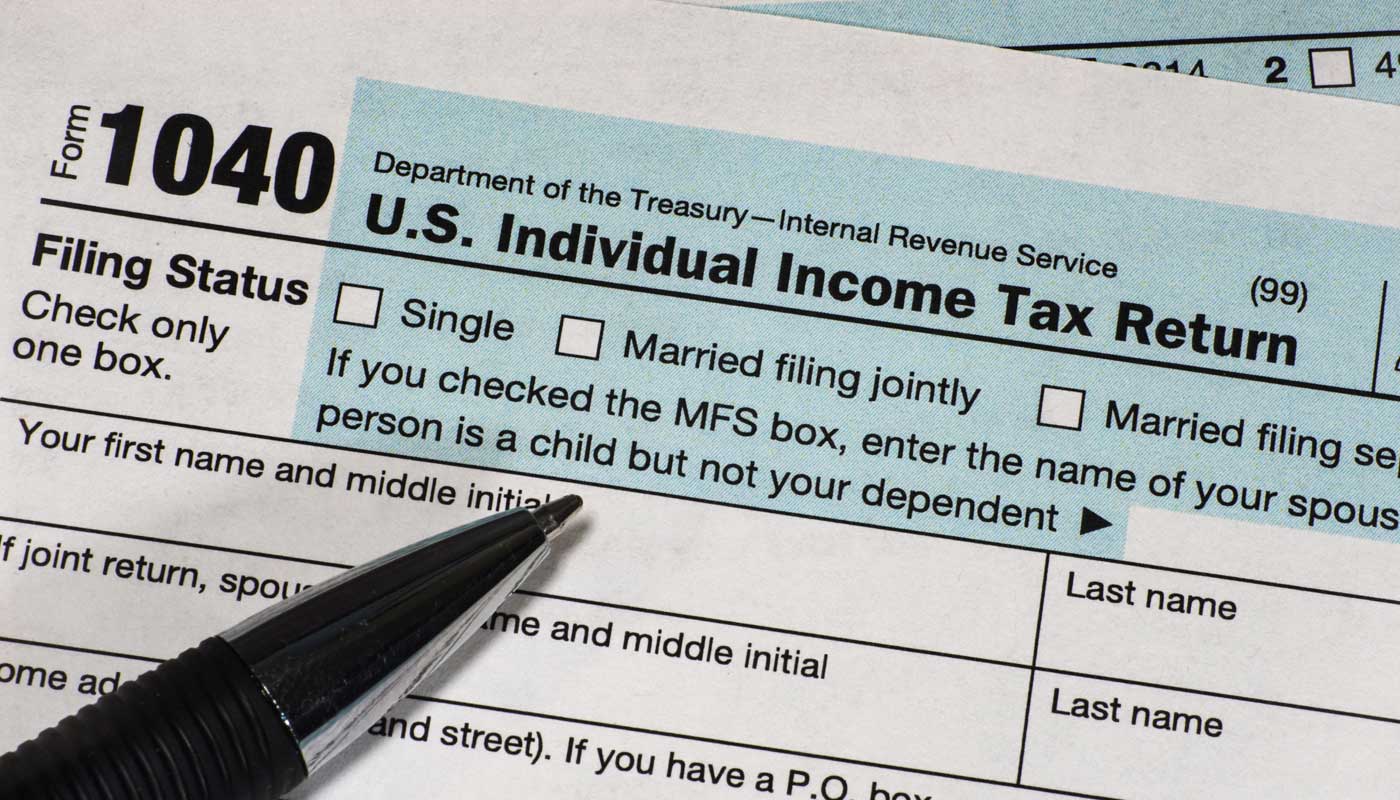
Switzerland is making some waves in the gambling world with a new proposal that would change how lottery and casino winnings are taxed. The proposal states that those winnings of CHF 1 million or more ($1.24 million or more USD) would be taxed at the winner’s place of residence at the time of winning, rather than when they file their annual taxes. Previously, these same winners could lower their tax bills by moving to a more tax-friendly location before the end of the year.
This tax proposal sparks debate
The Swiss Federal Council, which introduced this new bill, says this change will prevent tax-motivated moves. In addition, it will ensure that large winnings are taxed fairly.
Any winnings under CHF 1 million ($1.24 million USD) and most casino prizes would remain tax-free, which is not the case in the United States.
The proposal is currently open for communication, and it could reshape how players approach major wins in the country.
The “instant residency” question in the U.S.
The Swiss plan raises an interesting question for American lottery winners: could the U.S. ever adopt a similar rule?
In the United States, we currently have states with no income tax, like Florida, Texas, South Dakota, and Washington. For lottery winners wanting to minimize their state tax liability, they can move to these states.
Winners may relocate to these states after hitting a big jackpot, sometimes immediately, to take advantage of these tax-free havens.
If the U.S. were to put a rule similar to Switzerland’s in place, these post-jackpot moves would no longer reduce a winner’s tax bill at the end of the year. This could have a huge effect on multi-state lotteries like Powerball and Mega Millions, where state taxes vary widely.
While a move to Florida might still be attractive for lifestyle reasons, it wouldn’t save money on taxes anymore.
Do winners do this in the United States?
There is no definite way to track the exact number of lottery winners who do this in the United States. However, previous winners have done it.
In some cases, the winners have bought homes in Florida or Texas within months of claiming their prizes in high-tax states like New York, New Jersey, or California.
As of right now, these moves and purchases are completely legal and common. They can help save the winner tens or even hundreds of thousands in state income taxes.
Could the U.S. follow Switzerland’s lead?
While Switzerland is considering this, it’s not likely to become a rule in the United States anytime soon. State income taxes and multi-state lottery agreements would make enforcement complex.
However, if the Swiss plan goes into effect, it could influence debates in states with high jackpots and high taxes. Lawmakers might consider whether limiting tax-optimization moves could help keep more lottery revenue within the state and ensure fairness among residents.
For the time being, lottery winners in America can continue to enjoy the perks of low- or no-tax states. However, this Swiss example gives us a glimpse into a future where the timing of a move could have a major impact on how much players actually take home.
Enjoy playing the lottery, and please remember to play responsibly.













Comments