

News writer

Casino and lottery revenue climbed sharply in some US jurisdictions to start the year, led by a dramatic surge in the revenue generated by the New Hampshire Lottery. A major contributor? Video lottery terminals, or VLTs.
In New Hampshire, VLTs helped drive up revenue to $38.5 million in January, by 71.4% year-over-year, propelled by their installation in June.
So what are VLTs, where are they, and why are consumers flocking to them?
What are VLTs?
Video lottery terminals are digital gambling machines that resemble casino games, like slots. However, they operate under the state lottery authority and are considered lottery products. Unlike standalone slot machines, VLTs are connected to a centralized computer system, allowing states to regulate and track revenues, machine locations, payouts, responsible gaming practices, and more.
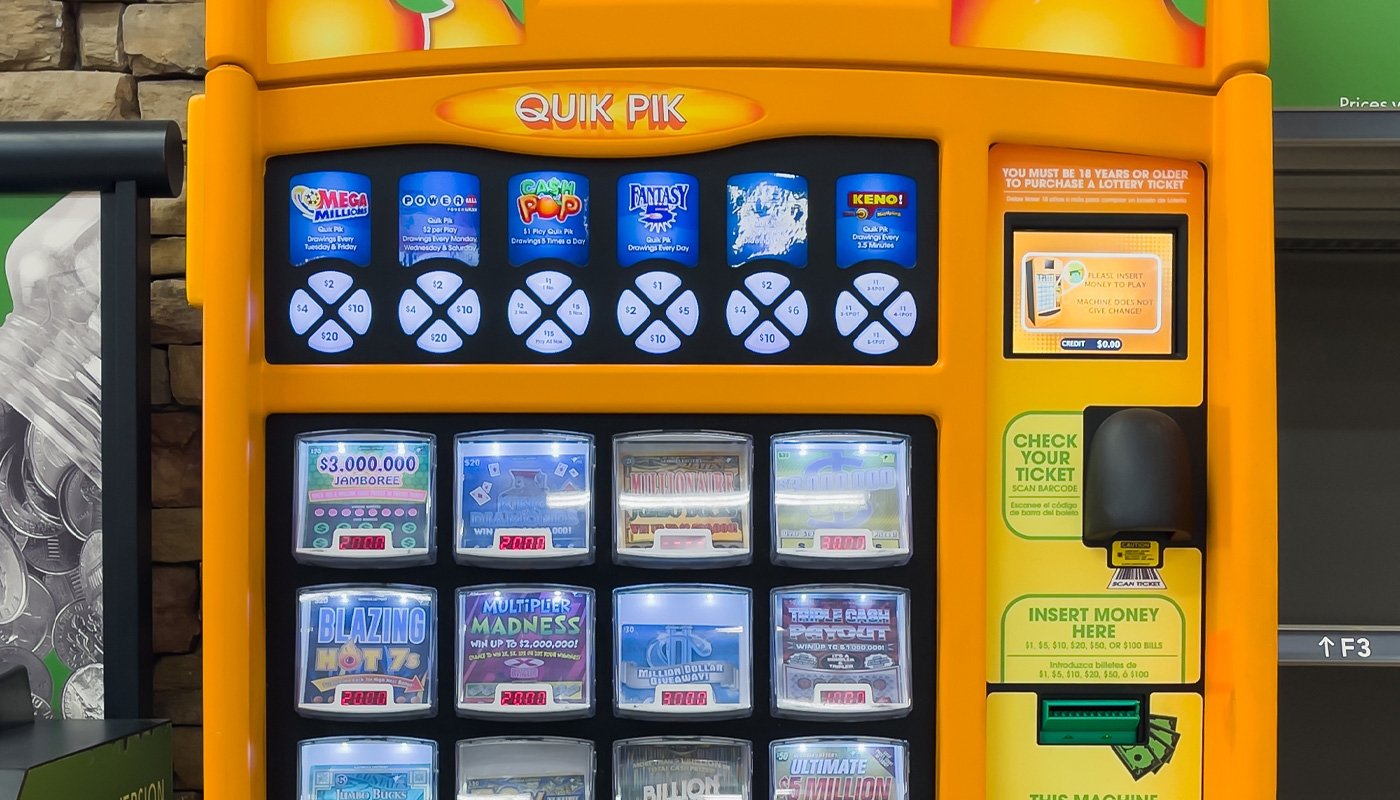
VLTs typically offer casino-style and betting games, like keno, horse racing, poker variations, and other games. They're not the same as lottery retail kiosks, which dispense traditional lottery tickets like Powerball.
A growth industry
A new industry analysis by ProPack Dynamics Market Research shows the global VLT market is poised for significant growth over the coming decade.
Technological upgrades and expanded legalization are fueling demand. Mobile connectivity and responsible-gaming features are drawing a broader player base while enticing new jurisdictions to adopt VLTs under regulated lottery frameworks.
The sector is forecast to grow annually by 9.6% from 2026 to 2033, outpacing broader gaming device categories.
The New Hampshire case
In New Hampshire, VLTs were introduced in June 2025, bringing $12 million to the state in January. Horse racing games climbed by 3.4% year-over-year, while games of chance went up by 53.8%. Since New Hampshire machines are located in state casinos, VLT revenue is tied directly to overall casino revenue in the state. For example, a new casino called The Nash opened in March 2025, so VLT revenue is much higher this January than last.
Where are VLTs active?
South Dakota became the first state to formally adopt VLTs in 1989. The model allowed regulators to oversee the machines in real time.
In the early 1990s, Oregon followed suit, authorizing VLTs to replace thousands of illegal gambling machines and bring that revenue under state control. Oregon rolled out its first terminals in 1992.
Since then, VLT programs have expanded nationwide, from Georgia to New York, Pennsylvania, and beyond. Many states limit VLTs to casinos, while others allow them in facilities like gas stations, bars, and restaurants. In February, Missouri officially moved to illegalize the machines in any location with a liquor license outside of casinos - so debate over VLTs is still raging.
Some states came later to the game, like Ohio, which introduced VLTs in 2012. But the revenue continues to stream in. The VLT sector in the state drew $112 million in January, a 9% increase year-over-year.
The case for VLTs in non-VLT states
The rise in VLT revenue is undeniable, and it can be used to fund critical state initiatives. They can be an attractive compromise for states looking for new revenue streams without opening brick-and-mortar casinos. VLTs will only become more desirable with advances in technology, while state regulations should keep the machines accountable to laws and player well-being. If a state already allows gambling, there's no reason to exclude VLTs from the mix.
However, machines can very easily fuel addiction, so states must implement strong responsible play tactics to protect players if they adopt VLTs.















Comments