
News writer

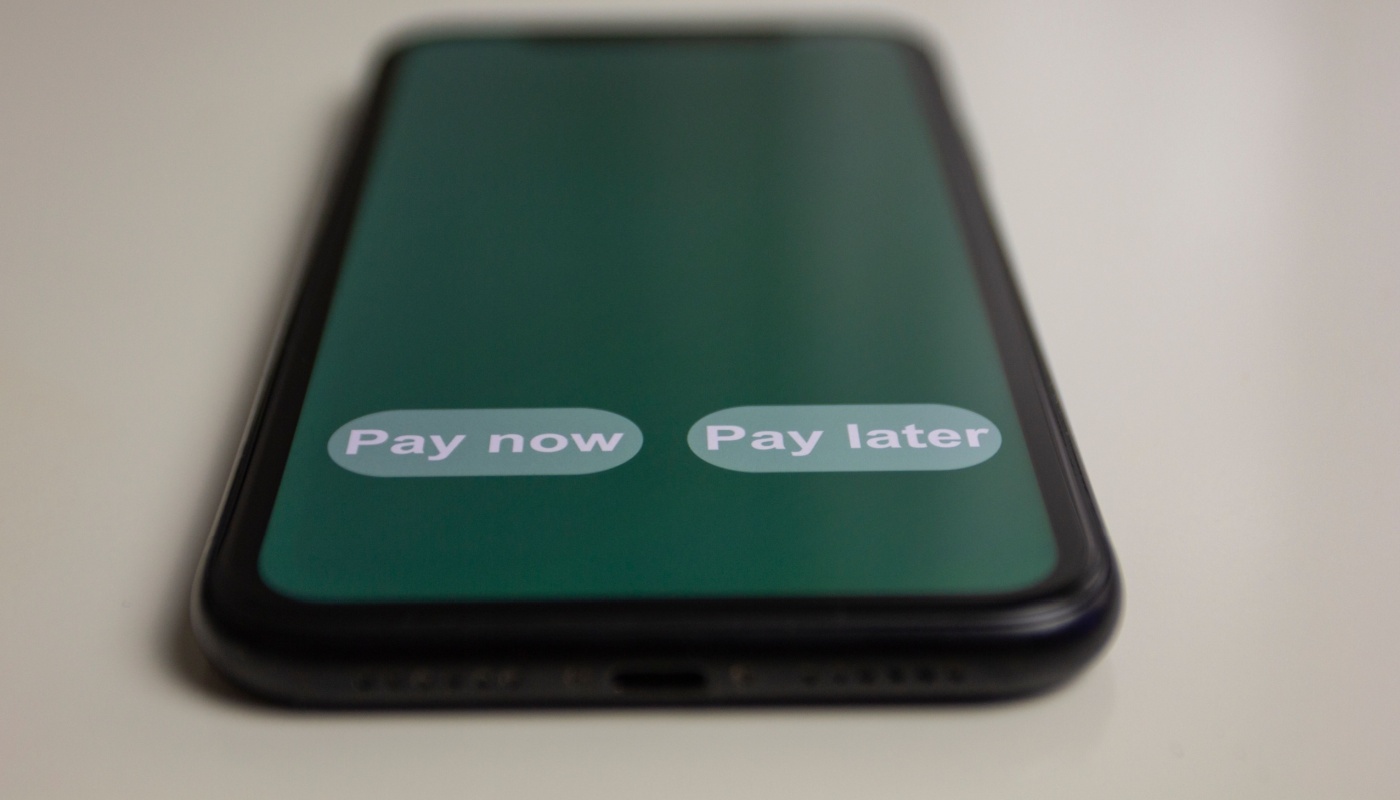
Over the past few years, “buy now, pay later” has gone from being a niche checkout option to something that feels almost unavoidable in digital shopping. It started as a flexible payment option for bigger purchases, like couches, electronics, or travel. Now, it's embedded into everyday spending: groceries, makeup, concert tickets, streaming services, and even food delivery.
While credit cards were the option before, now installment platforms like Afterpay, Klarna, Affirm, and PayPal's Pay in 4 are routinely presented as equal, if not the more preferred option, at checkout. For younger consumers, splitting this payment into four smaller chunks feels easier and better than a revolving credit card debt. With the popularity of these platforms, is this something that could make its way into the lottery world? Buy now, pay later (BNPL) for your Powerball or Lotto 47 tickets? We dig into this topic and see if state lotteries could embrace a buy now, pay later platform.
Why buy now, pay later took off so quickly
To be honest, it's pretty straightforward. Instead of paying the full cost for something up front, shoppers can divide the purchase into smaller payments. These smaller payments are often without interest if the payments are made on time.
It seems pretty simple: four payments over six weeks, no revolving balance, no compounding interest.
This concept feels cleaner and more manageable than traditional credit cards for many millennials and Gen Z consumers. Credit cards can carry high interest rates and different fees.
It's not only convenient for users, but retailers also benefit. Studies show that offering installment payments can increase the average order value and reduce cart abandonment. If consumers aren't feeling that initial “sting” from the purchase, they are more willing to spend a little more.
This tool started for large purchases, but it has now expanded into everyday spending categories. The normalization is key: if you can split a $60 clothing purchase into four payments, it seems less like borrowing and more like budgeting.
This shift in perception is exactly why the lottery conversation has emerged.
Digital lottery platforms are already here
It's not like state lotteries are frozen in time. Over this past decade, many states have introduced online ticket sales, mobile apps, subscription models, and account-based play.
Players in several states can even buy their tickets online, set up recurring entries for multi-draw games, and manage their play history right from their phones.
This type of digital convenience is expected from younger consumers. They are used to cashless transactions, digital wallets, and frictionless checkout experiences. When thinking that way, BNPL would just be another modern payment method.
If thinking of this option from the operational side of things, adding installment payments to online lottery platforms wouldn't be technologically impossible. The infrastructure for account verification, geolocation compliance, and digital payment processing already exists.
So, the question becomes less about feasibility and more about philosophy.
Will this change revenue for the states?
Supporters of expanding payment options often will point to revenue. Unlike most consumer industries, state lotteries are tied to public funding. Money from lottery revenue is sent to support education, veterans' programs, environmental issues, and other state initiatives.
If offering BNPL did lead to an increase in ticket sales, this could translate into more funding for public programs. When states are being super tight on their budgets, this argument carries weight.
You could also look at this from a generational angle. Younger adults prefer installment payments. They are less likely to carry cash or use traditional credit cards. By not introducing BNPL platforms, these state lotteries could be missing out on an entire demographic.
However, there is a clear distinction between lottery tickets and retail goods.
Lottery tickets aren't shoes or furniture
This is where things get tricky. A lottery ticket is not a tangible good. It's a game of chance with built-in risk.
With every lottery purchase, there is a chance of buying a losing ticket. When someone buys a pair of sneakers using these instalments, they receive the tennis shoes, which retain some value.
Lottery tickets are different. An overwhelming amount of tickets will not produce a financial return. By introducing deferred payment platforms, it raises the possibility of debt-financed gambling.
Even if the amounts seem small, the psychological effect matters. If you are spreading out the cost of these lottery tickets, then the spending may not feel as real.
Authorities have stated that people are more likely to spend when the “pain of paying” is reduced. These installment structures do just that.
For a lot of players, this might not seem like a problem. However, for those players who are already financially vulnerable or prone to impulse purchases, it could amplify the risk.
The vulnerability question
Plenty of research has been done focusing on gambling behavior. Studies have consistently shown that lottery spending can be disproportionately concentrated among lower-income households and individuals facing financial stress.
While some people treat lottery play as something they'll do every once in a while for fun, others may view it as a path for financial relief.
Adding these installment payments introduces a delicate ethical question: Does it lower the barrier to spending in a way that disproportionately affects those least able to afford it?
Any critic of expanded lottery offerings will often argue that states have a responsibility to balance revenue generation with consumer protection. The social contract between a state lottery player is this: Participation is voluntary, and the products are marketed responsibly.
By giving players this type of payment structure, it allows players to spend now and worry about the payment later. Offering players a payment structure that allows them to spend now and worry about the payment later could be seen as stretching that contract.
Setting a relevant precedent
This debate is not entirely new. We have seen debates about using credit cards to buy lottery tickets. The main reason behind this is that borrowed money increases the risk of financial harm.
The United Kingdom banned credit card use for gambling in 2020. Lawmakers were concerned about debt accumulation in the country, so the ban was enforced. At the same time, the rules for credit cards when buying lottery tickets vary by state.
Buy now, pay later is often structured as a short-term installment plan rather than a traditional revolving credit. While legislators have already wrestled with whether consumers should gamble using credit cards, BNPL falls into that same category.
Could safeguards make it work?
With the right safeguards in place, could buy now, pay later work? It's possible to imagine tightly controlled frameworks that also mitigate risk while allowing limited flexibility. This includes:
- Spending caps – There would need to be strict limits on how much could be financed through installments.
- Affordability checks – These would be basic verification checks to ensure players are not extending themselves beyond reasonable thresholds.
- Cooling-off periods – Time delays put in place between installment approvals to reduce impulsive, repeated transactions.
- Integrating responsible play tools – Most state lottery programs offer a self-exclusion program. This can track deposits, spending limits, and play tracking. Any installment feature could be connected directly to these responsible play systems.
- Transparent disclosures – Lottery officials would need to be very clear that these installment payments do not change odds or improve outcomes, only the timing of payment.
To make sure that these measures are in place, there would need to be a coordinated effort between lottery commissions, financial regulators, and BNPL providers. They would also make sure to get technological integration that goes beyond a simple checkout toggle.
A bigger question about credit culture
This discussion about installment payments and lottery tickets seems to be part of a bigger societal discussion. Over the past 20 years, credit has become deeply embedded in everyday life. From subscription models to auto-renewals, financial commitments are increasingly fragmented into smaller pieces to help them feel more manageable.
However, this fragmentation can obscure the bigger picture. A $20 ticket split into installments does not seem significant. However, if you happen to buy multiple draw games across multiple purchases, then that total obligation can quietly grow.
State lotteries occupy a unique space in the world, as they are a government system with public missions. That distinction carries ethical weight.
Should lotteries adopt BNPL?
This is a difficult question to answer. There is no simple answer. Sure, the technology exists, so they don't need to create it. There is clearly a demand for flexible payments. We shouldn't see a slowdown for digital transformation across industries.
With all of that in mind, lotteries must ask what purpose installment payments would serve. Do they really need to be added as a payment option?
The primary goal is boosting short-term sales, but it could invite long-term consequences. However, if installment payments were introduced cautiously, with strict safeguards and oversight, then the conversation could look different. The distinction lies in intent and execution.
Using those guardrails
Buy now, pay later has reshaped expectations around spending. For many consumers, it feels like a budgeting tool rather than borrowing. That perception has driven rapid adoption. At the same time, lotteries have been evolving in the digital age. Online subscriptions, mobile apps, and account-based systems are now commonplace in several states.
The question isn't whether payment systems will continue to innovate, as they definitely will. The real question is whether innovation in lottery finance can occur without undermining responsible play principles.
Convenience and revenue matter. However, consumer protection matters more. This debate is about how far financial flexibility should extend when the product being purchased is a risk itself.
Enjoy playing the lottery, and please remember to play responsibly.







Comments