
News writer

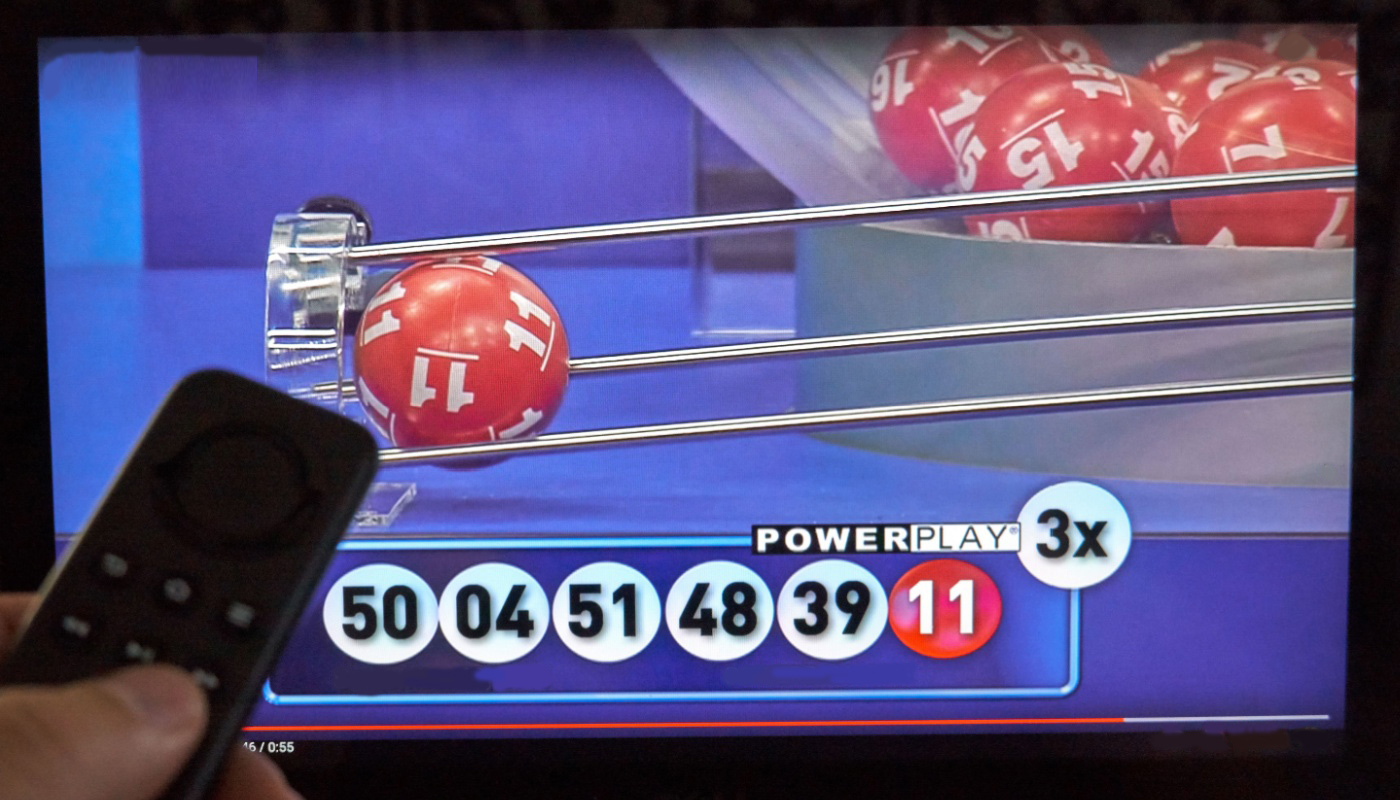
The way Powerball drawings are delivered to television stations across the United States is getting a behind-the-scenes upgrade - but for players, nothing is expected to change.
The Multi-State Lottery Association (MUSL), which runs the Powerball game, has announced a transition to a new satellite system that will carry the official drawings to broadcasters nationwide.
A change most players won't notice
The update is largely technical and aimed at companies that air the live drawings - not the people who play the game.
In fact, most players won't notice any difference at all. Drawings will still take place at the same time, with the same format, and results will be available just as quickly as before.
The main benefit? A more stable and reliable broadcast signal, which could improve overall picture quality and reduce the chance of interruptions.
Why the upgrade is happening
The transition is being made because the current satellite used to distribute Powerball drawings is set to be retired in 2026. Rather than waiting until the last minute, MUSL is proactively moving to a newer satellite system to ensure a smooth handoff in September.
This kind of upgrade is common in broadcasting, where aging infrastructure is periodically replaced to maintain performance and reliability.
Who does this actually affect?
While the announcement may sound major, it's primarily relevant to television stations and media partners that broadcast the drawings live.
These organizations will need to update their systems to receive the new satellite signal. During the transition period, broadcasts are being sent through both the old and new satellites to give stations time to adjust.
A seamless transition plan
To avoid any disruption, MUSL and its partners are rolling out the change gradually. By running both satellite feeds at the same time for a period, broadcasters can switch over when they're ready. This overlap ensures that when the older satellite is eventually shut down, viewers won't experience any interruptions.
Across the nation
Although the update was shared through state-level channels, this is a nationwide infrastructure change. Powerball is played across multiple states, and its broadcast system must work seamlessly across the entire country.
That's why maintaining a dependable and high-quality signal is so important - not just for broadcasters, but for the millions of people who tune in to watch the drawings.
What does it mean going forward?
For players, the takeaway is simple: nothing about the game itself is changing.
Tickets, drawing times, and prize structures all remain the same. The only difference is happening behind the scenes, where a more modern satellite system will help ensure that Powerball drawings continue to be delivered smoothly and reliably.
In short, while the technology is evolving, the Powerball experience will stay exactly as players expect—just with a stronger, more dependable broadcast keeping everything running on track.