
News writer
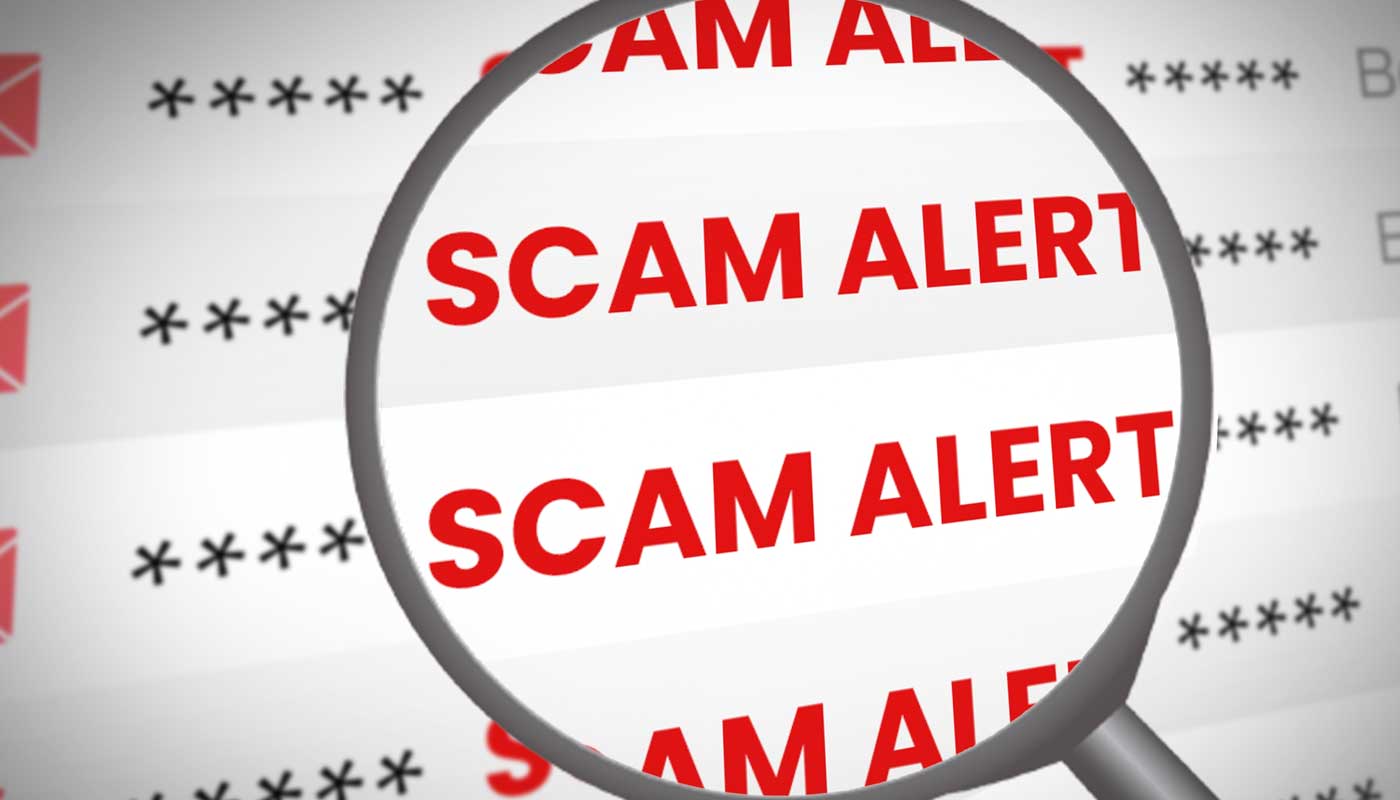
Spotting scams fast matters. A Texas woman was told she'd won $32 million, then asked for $5,000 up front, and her common sense stopped her from losing. This story explains how these prize scams work, how to check a sender, and simple steps to avoid losing cash or data.
How the $32 million pitch played out, and why it felt wrong
A Harlingen woman was told she’d won $32 million and a new car, but the catch arrived immediately: pay $5,000 before collecting anything. That one sentence should have set off alarm bells.
It did for her, and she didn’t send the money. According to a local TV report, the prize email included a Las Vegas address that didn’t check out and displayed a Better Business Bureau logo that wasn’t legitimate.
The scenario feels dramatic because it plays to hope, and then asks for cash before proof.
Why upfront fees are the classic giveaway
The Federal Trade Commission tells consumers plainly: real prizes are free. If someone asks you to pay taxes, handling, shipping, or processing fees before you receive a prize, you’re almost certainly being scammed.
Federal authorities have pursued large-scale operations like this in the past, and consumer resources repeatedly flag the same pattern: big reward, small required payment, pressured timelines. So treat any fee demand as the primary disqualifier and stop communication immediately.
How scammers fake credibility, and how to check it fast
Scammers often plaster credible logos and plausible-sounding addresses onto their messages, hoping you won’t look closer. In this case, the email used a BBB emblem and a Las Vegas mailing address that turned out to be invalid when checked.
Your practical move: don’t use the links or phone numbers in the message. Instead, go to BBB.org or the FTC site, type the company name, paste the message text into a search engine, and verify the physical address via the USPS lookup. If the company isn’t accredited, or has an F rating or multiple complaints, walk away.
Payment methods that mean trouble, and safer alternatives
Once victims are convinced, scammers ask for wire transfers, gift cards, cryptocurrency, or peer-to-peer app payments. These are all methods that are hard or impossible to reverse.
If someone asks you to pay that way, treat it as proof of fraud.
Safer habits: never transfer money for a prize, never share bank or Social Security details, and if you’re unsure, ask a trusted friend or a consumer-protection office before doing anything. Keep screenshots, email headers, and caller ID info so authorities can track patterns.
Reporting and recovery
If you get one of these messages, report it. The FTC takes reports at ReportFraud.ftc.gov, and the BBB has a Scam Tracker where you can log details.
Local consumer protection agencies, police, and your bank can sometimes help if you’ve already paid, but recovery is rare. Speed helps.
And remember the practical rule Hilda Martinez from the BBB in the Rio Grande Valley reinforces: legitimate sweepstakes won’t ask you to pay up front, so don’t.
It's a small change in habit that can save a lot of worry. Slow down, check independently, and don't hand over cash for a prize you haven't seen.
Enjoy playing the lottery, and please remember to play responsibly.
Lottery numerology predictions
Every week, we bring you the most up-to-date astrological forecasts for all signs of the zodiac.