
News writer
Every lottery spends years refining its games. You have lottery officials who are analyzing sales data, commissioning market research, monitoring how often jackpots roll over, and sending out surveys to players. They are also working with lottery retailers regarding ticket displays, advertising, and promotions. Some states even have advisory boards made up of retailers or oversight commissions that help shape lottery operations.
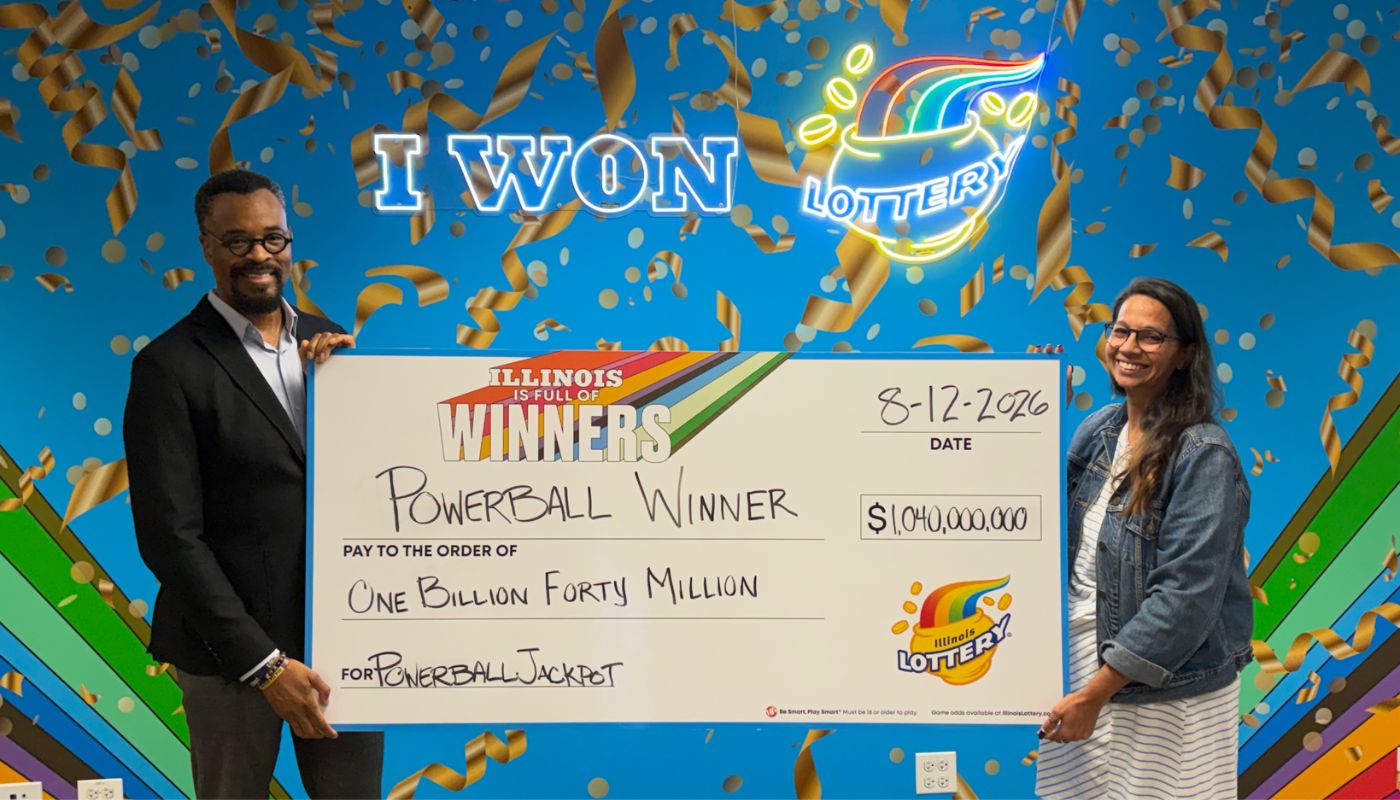
However, there is one group that is never invited into the conversation. The winners!
Not the celebrities who appear in commercials. Not spokespersons hired for marketing campaigns. The people who have actually experienced what happens after winning life-changing jackpots, dealing with taxes, navigating publicity, and figuring out their next move.
Lottery organizations are built around creating winners, but some may spend surprisingly little time learning from them. Maybe it’s time to change that.
They have the most experience, but are rarely talked to
Can you imagine designing airline security, but never talking to travelers? Or redesigning hospitals, but not asking patients for their input. To be honest, that’s how lotteries currently operate.
Lottery officials know the regulations. Lawyers know the statutes. Marketing departments understand how to acquire players. Retailers know how to sell tickets.
However, lottery winners understand something nobody else does: what it actually feels like to win.
They know which forms were confusing to fill out. They know which instructions made sense, and which didn’t. Lottery winners know what questions they wish someone had answered for them before they claimed their prize. They know whether the process was exciting, stressful, intimidating, or unexpectedly complicated.
You can’t find these types of insights in a sales report. These things are learned only through experience.
The big win is only the beginning
For most lottery players, the dream comes to an end when matching all of the winning numbers. However, for actual winners, that’s where an entirely different journey starts.
Now you start asking questions about taxes, financial planning, publicity, security, and how quickly you can get your money. Some winners also have to choose between taking their winnings as a lump-sum payment or as an annuity.
Other winners have to decide whether or not they want to appear in public. Does their state allow for anonymity? They may need to hire attorneys, accountants, or financial advisers within days of landing their big win.
Sure, most state lotteries provide excellent resources explaining these topics. However, resources aren’t the same as real-life experience.
A former winner might be able to point out that a first-time claimant will become overwhelmed by the paperwork, as they’re still processing the emotional shock of winning.
Meanwhile, another winner might say the claim center could do a better job of explaining tax withholdings. Someone else might suggest providing a checklist before winners even arrive at the office.
These aren’t criticisms of the system, but they’re practical improvements.
We trust people who have actually been there
Lottery advertisements often focus on the dream. Winner advisory boards could focus on the reality.
Imagine a new player is visiting a lottery website, and they find advice from a former jackpot winner who happens to be covering topics like:
- Common mistakes to avoid.
- What to do immediately after winning.
- Questions to ask before claiming your prize.
- Why it’s okay to slow down and make thoughtful decisions.
- How to prepare for taxes and financial planning.
This is information players would probably trust. Not because it came from a government agency, but because it came from someone who has been there and gone through it.
Each state is different
One reason winner feedback matters is that lottery results vary dramatically by state. Some states allow winners to remain anonymous, and others require names, hometowns, or photographs to be released.
Claim deadlines differ by state. Prize-claim procedures differ. Tax withholding varies by state.
Some states have a ton of resources available for winners, while others tend to focus primarily on processing claims efficiently.
None of these approaches is wrong. However, when rules are being reviewed, who better to ask than the people directly affected by them?
A state is considering changes to publicity rules, for example, and might learn that former winners overwhelmingly support optional anonymity.
Or maybe winners would point out that public appearances weren’t nearly as stressful as they thought they would be because the lottery staff prepared them for it.
Without asking former winners, lottery officials are left guessing.
The advisory board isn’t making policy
Let’s be realistic here. An advisory board made up of winners wouldn’t have the power to rewrite lottery rules. Nor should every suggestion automatically become policy.
Instead, it's better to think of it the same way many industries use customer advisory panels. We see tech companies invite experienced users to test out new products. Universities ask alumni how they can improve programs. Hospitals seek out feedback from patients before redesigning care systems.
The goal here wouldn’t be to hand over decision-making. The goal would be to make better decisions.
Lottery officials would still be evaluating legal requirements, security concerns, operational costs, and revenue impacts. This input from winners would just be another valuable piece of information for the lottery officials to use.
They could help spot unintended consequences
One of the biggest benefits of working with previous winners could be identifying problems before they become headlines.
Consider questions like:
- Does the new website's language actually make sense to someone unfamiliar with lottery terminology?
- Would changing claim procedures create unnecessary confusion?
- Could security procedures be explained better?
- Are prize notification emails clear enough? Do they seem legit or a scam?
- Would first-time winners understand what documents they need?
These aren’t topics that would typically show up in a financial report. However, they’re exactly the kinds of problems that former winners would recognize immediately. Sometimes the smallest change in wording or process can dramatically improve someone’s experience (or make it even worse). These former winners could help stop it from becoming the latter.
Better education could benefit everyone
These winner advisory boards wouldn’t just be helping future winners, but they would be helping all lottery players.
Former winners often develop practical perspectives that everyday players might not consider. For example:
- Many first-time players don't understand how taxes affect prizes.
- Some incorrectly assume jackpots are paid instantly.
- Others don't realize that claiming deadlines exist.
- Others believe the misinformation they read online.
- Former winners know which myths surprised them.
This makes these former winners uniquely qualified to help lotteries improve educational materials. This wouldn’t result in more ticket sales, but it would simply help create better-informed players.
Could it also help strengthen public trust?
Lotteries are all about transparency. They publish the odds of winning a lottery prize, broadcast drawings, and explain how funds benefit public programs.
This is all being done to help reassure players that games are being operated fairly. By adding winner perspectives into the mix, it could strengthen that trust even further.
Imagine an annual report coming out that also included anonymous surveys of recent jackpot winners discussing their claim experiences. These aren’t promotional testimonials, but honest feedback. Telling other players what worked, what didn’t work, and what could be improved.
Transparency isn’t just about the drawings. It’s also about showing that the organization listens to the people it serves.
There will be challenges
No proposal is perfect. Forming a winner advisory board would raise questions.
To start, participation would have to be completely voluntary. Many winners value their privacy, so they would never want to continue being involved with the lottery after claiming their prize. That’s completely understandable.
Second, these boards should represent a variety of winners. Someone who claimed a $1,000 scratch-off prize has a different experience than someone winning a $200 million jackpot. Being diverse in the region where board members come from, the games they won, and the different prize levels could all matter.
Third, officials would need to put safeguards in place against any conflicts of interest. These board members shouldn’t receive any kind of preferential treatment or influence future prize decisions. The purpose of this board is for consultation, not special access.
All of these challenges are manageable. Many other industries are able to successfully balance privacy, ethics, and advisory participation all the time.
Minimal cost to create this board
By creating a winner advisory board, it could be done without requiring massive spending. Meetings could occur virtually. The members could serve fixed terms, and travel expenses could be limited. Surveys could help supplement formal meetings.
Many former winners might take part in this simply because they want to improve the experience for future players. After all, most people who win large jackpots remember exactly how confusing those first few days felt. Helping others navigate that journey would likely be rewarding for them.
Could lead to improved game design
The feedback from these winners wouldn’t just be limited to the claim procedures. It could also influence future games.
Former winners understand how people actually play the lottery. I mean, they played it and won, right? They know why they chose Quick Pick over their personal numbers. They know which prize structures are more appealing. They know whether multiplier options were easy to understand. They know the type of promotions that got them to buy a ticket.
Again, this doesn’t mean every suggestion should become a new game or promotion. However, real-world player behavior often reveals things that market research misses.
Start with a pilot program
We don’t need to have every state lottery immediately form a permanent advisory board. Set up a pilot program, which could help answer many questions.
Lottery officials could recruit six to ten former winners. Have them meet twice a year. They review proposed rule changes. They discuss claim experiences and provide feedback on educational materials.
After two years, evaluate whether the program produced any useful recommendations. If it didn’t, little would be lost. If it did, then other state lotteries would have a proven model to follow. Innovation doesn’t always have to begin with sweeping reform. It could start with one simple question.
Winning creates expertise
Lottery winners occupy a unique position. They’ve gone through something millions of players only dream about. That experience has value beyond the prize itself.
Every lottery constantly looks for ways to improve player satisfaction, strengthen public confidence, and modernize operations. Former winners might not have all the answers, but they almost certainly have perspectives that no consultant, regulator, statistician, or marketer can fully replicate.
The lottery industry spends countless hours trying to understand what players want before they win. Maybe it’s time they spent a little more time listening to the people who already have.
Enjoy playing the lottery, and please remember to play responsibly.
Lottery numerology predictions
Every week, we bring you the most up-to-date astrological forecasts for all signs of the zodiac.