
News writer, Interviewer

Washington's Lottery just locked in its technology provider for another decade. Brightstar Lottery announced on July 13, 2026, that its subsidiary signed a seven-year contract extension with Washington's Lottery. The deal runs through June 30, 2036.
That's a big deal for a partnership already three decades deep. But what does it actually mean for the lottery in your state, and for the person buying a ticket at the corner store?
What does Brightstar actually do?
Most players never think about who runs the machines behind their local lottery. That's Brightstar's job.
Brightstar Lottery operates the state's games. It maintains the terminals retailers use to sell tickets. It runs the communication systems that connect every retailer to the state's central gaming system.
Brightstar isn't new to this work. The company has served as Washington's primary lottery technology supplier since 1996. It now serves close to 90 lottery customers across six continents. In the U.S. alone, it's the primary technology provider for 26 of the 46 lottery jurisdictions.
What's changing at Washington's Lottery
The new contract isn't just a renewal. It comes with a hardware and software refresh. Over the next seven years, Brightstar will deploy:
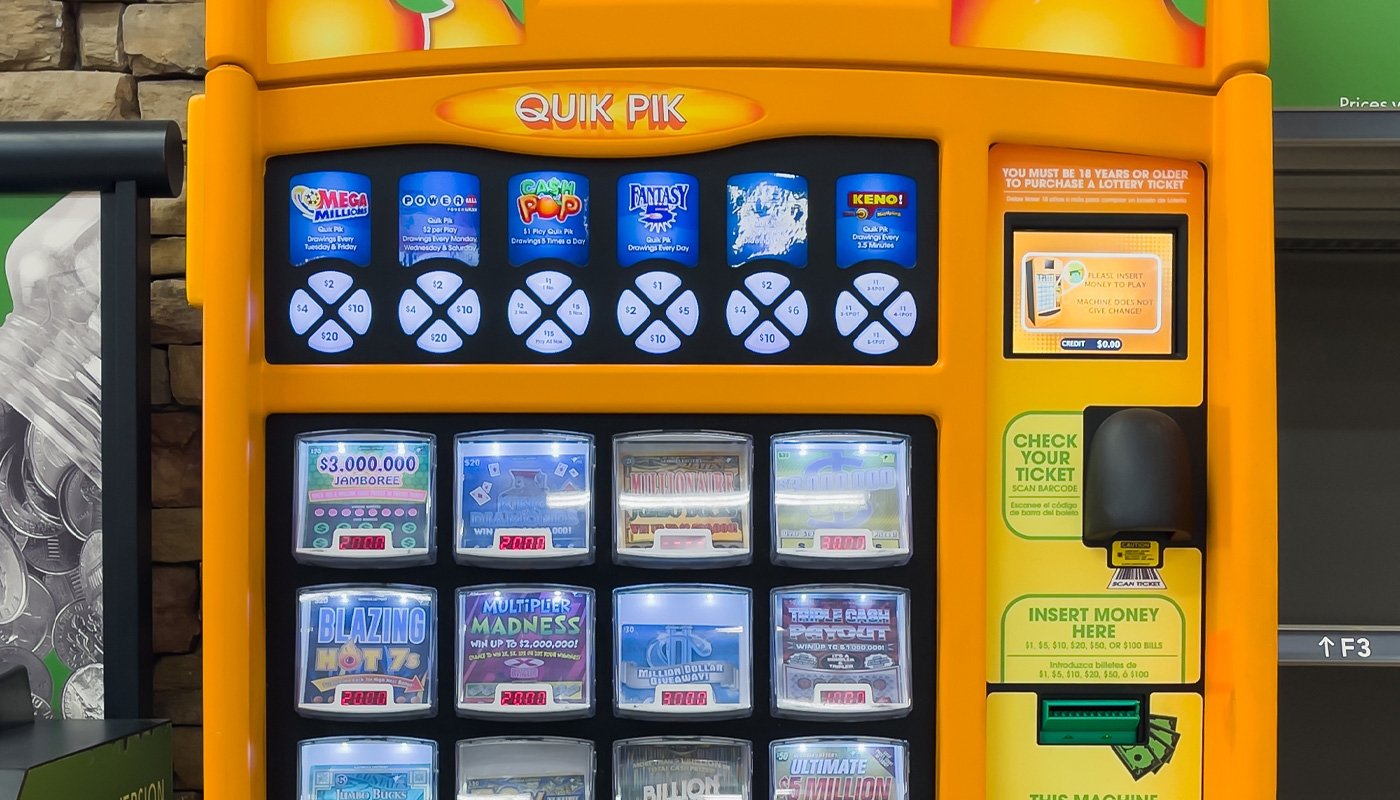
- 2,200 GameTouch28 vending machines. These are self-service kiosks built for high-traffic retailers. Each one has a 42-inch touchscreen and 28 ticket bins, which should cut down on lines at the register.
- 100 GameTouch20 vending machines. A smaller version of the GameTouch28, built for retailers with less floor space.
- 3,700 Retailer Pro S2 terminals. These next-generation terminals handle ticket sales, ticket checking, and digital marketing displays at the point of sale.
- A central system upgrade. Washington's Lottery will move to Brightstar's newest commercially available gaming system, the backbone that processes every transaction in the state.
Brian Bennett, Washington's Lottery Director, framed the renewal as a continuation of what's worked for 30 years. He credited Brightstar with keeping the state "at the forefront" of self-service and cashless lottery technology, and said the state is looking forward to a decade more of the same.
Scott Gunn, Brightstar's Chief Operating Officer for North America Lottery, tied the upgrade to the Lottery's broader mission. The equipment isn't just about convenience. It's meant to support the funds Washington's Lottery raises for education and other public programs across the state.
What this means for players
For the average player, the upgrade should show up in small but noticeable ways: shorter lines at self-service kiosks, faster terminals at the register, and more digital displays showing current games and jackpots.
For the state, it means seven more years of stability with a vendor it already knows. Swapping lottery technology providers is a massive undertaking, one that involves retraining thousands of retailers and migrating an entire gaming system. Washington is choosing to avoid that disruption and instead double down on a three-decade relationship.
The bigger story here is what it signals about the lottery industry. Brightstar is now the primary technology provider for eight of the world's 10 largest lotteries with central systems. Long-term contracts like Washington's are how that dominance gets built and maintained. Expect more states to follow a similar pattern: fewer vendor switches, longer contracts, and steady infrastructure upgrades rather than dramatic overhauls.
Lottery numerology predictions
Every week, we bring you the most up-to-date astrological forecasts for all signs of the zodiac.