
News writer

There once was a time when a lottery drawing felt like an event. You bought your lucky ticket on the way home from work. You folded it up carefully and stuck it in your purse or wallet, and waited three days for the winning numbers to be drawn. Then, the day of the drawing comes, and you either watch it live on television or you check the newspaper the next morning. The waiting was part of the game and the thrill.
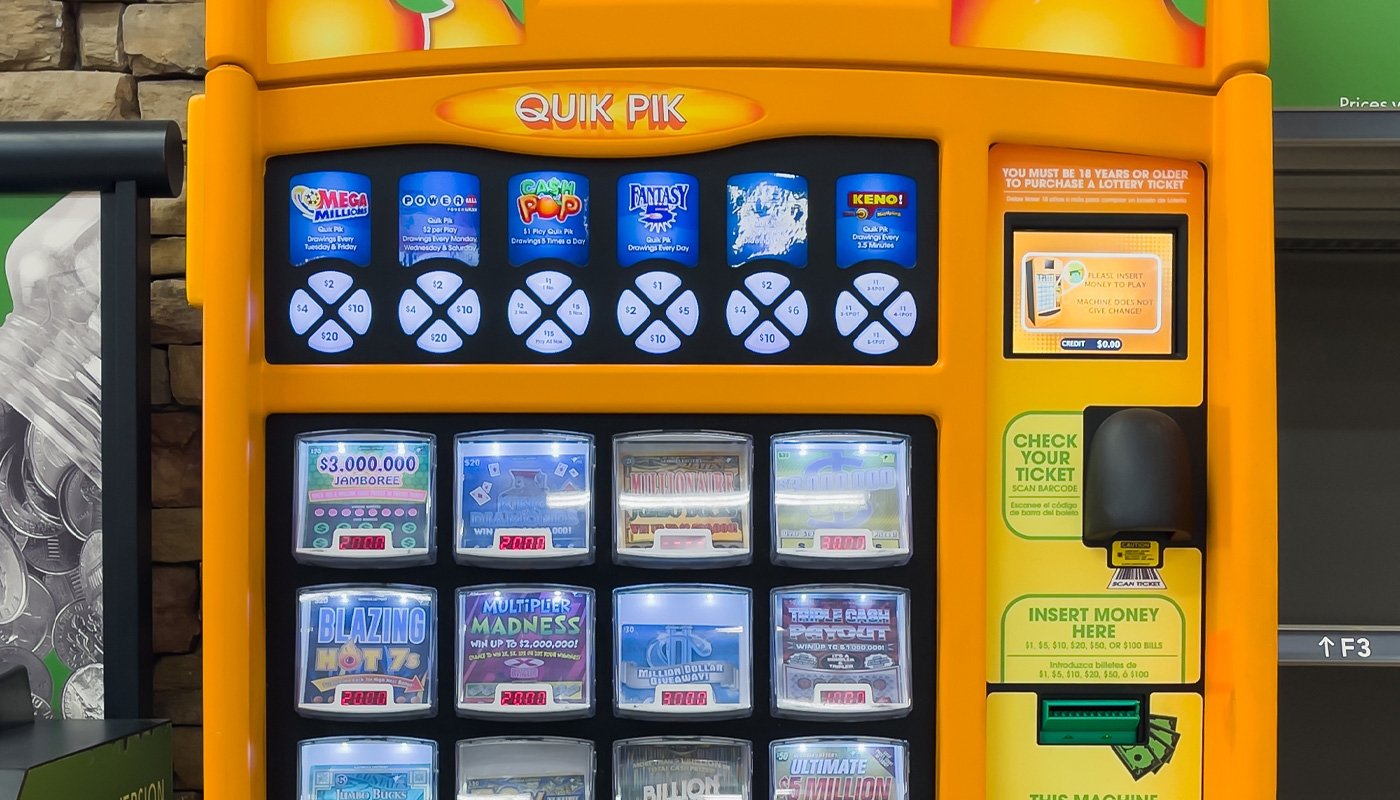
Today, that experience feels more and more rare. Instead of two Powerball drawings every week, we have three. Daily drawings that once offered an evening draw now have morning drawings, midday drawings, and late-night drawings. Keno feels less like a lottery game and more like a slot machine with numbers. In Michigan, Cash Pop now runs eight drawings every hour from 5:00 a.m. to 2:59 a.m.
The lottery industry's answer is simple: players want more opportunities to play and win. However, there is a question worth asking: What happens when lottery drawings stop feeling special?
The lottery used to build anticipation
Scarcity creates excitement. Part of what made the old Wednesday and Saturday night lottery ritual work was that players had no choice but to wait. You couldn't go out and buy a Cash Pop ticket to scratch that lottery bug you were feeling.
The anticipation built naturally. You talked with coworkers about the big jackpot up for grabs this weekend. Families would pick lucky numbers together and watch them being drawn live on television. Speaking of televisions, they would interrupt programming to broadcast the drawings live.
The jackpots grew bigger because people had time to dream about them. The wait itself created value.
Sports fans can relate to this. The Super Bowl wouldn't be such a huge event every year if it happened every month. Christmas wouldn't feel like Christmas if it arrived every Tuesday.
Lottery drawings worked because they occupied a similar emotional space. They were events rather than products. Now, they increasingly feel like content updates.
More drawings mean less time to care
Imagine missing last night's Pick 3 drawing. Twenty years ago, you probably would have remembered to check the results. Today? There may have already been three more drawings before lunchtime.
When games are happening constantly, missing one no longer matters because another opportunity to try your luck is probably just minutes away.
While that's convenient, it's also forgettable.
The sports betting industry learned this a few years ago. A football game was no longer enough. Players wanted the ability to bet live during the game. Then they want to bet on individual drives. Then it turned into bets on the next play.
The lottery seems to be moving in the same direction. Cash Pop and Keno drawings every few minutes. Digital instant games are available 24 hours a day.
The industry is replacing anticipation with availability. That may be good business, but it may not be good branding.
A new generation that doesn't want to wait
Lottery officials aren't making these changes randomly. They are responding to reality.
Younger adults grew up with Netflix instead of cable TV, food delivery instead of cooking, and Amazon same-day shipping instead of waiting a week for packages. The idea of waiting four days for a drawing feels ancient to many of them.
Research has been done, and these younger players prefer mobile and digital gaming experiences over traditional lottery products. For players under 30, mobile gaming dominates their entertainment habits (they are constantly on their phones) while traditional lottery products struggle to generate the same enthusiasm.
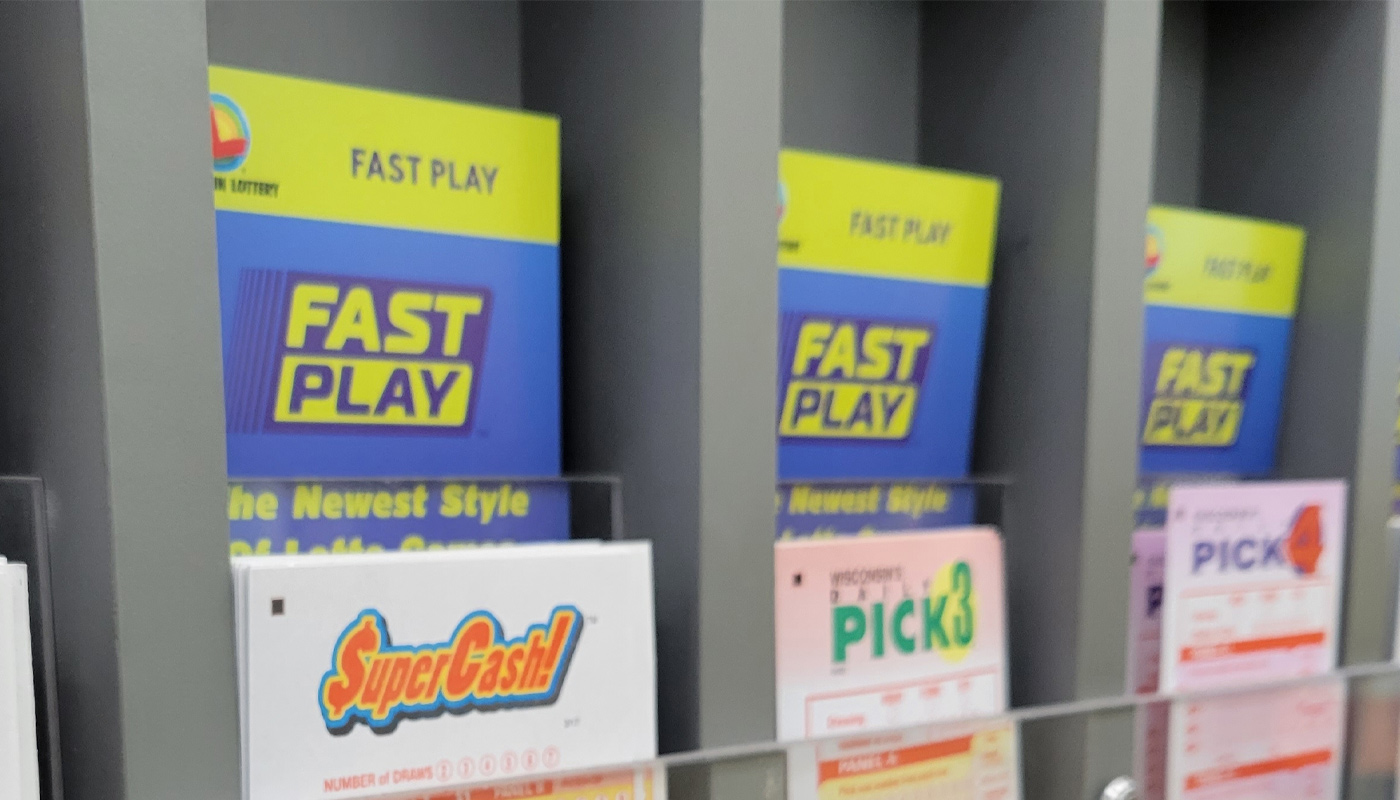
The lottery industry knows this. That is why eInstants and Fast Play games are growing. That is why Cash Pop is expanding.
The global online lottery industry is expected to grow significantly over the next five years as more and more players shift toward mobile-first experiences. Right now, more than half of online lottery purchases are taking place on mobile devices.
Younger players don't really want to wait until Wednesday night to see if they won. They want to know right now.
The Fast Play revolution is already happening
Last month, I argued that Fast Play games could quietly become the MVP of modern lotteries. I still believe that.
Fast Play games helped solve a major problem for lotteries: how do you compete with instant gratification without becoming a casino?
The answer was simple! Create games that provide immediate results but also maintain the lottery-style odds and prize structures.
Players embraced this concept. Digital instant games have been growing rapidly worldwide. Why? Because they fit naturally into modern habits and smartphone behavior.
The problem? Fast Play games were designed to complement traditional drawings. However, they may be replacing them emotionally.
If a player can buy a Fast Play ticket, instantly see the results, and then move on with their day, why wait three days for Lotto?
That is not a criticism of Fast Play, but a warning about traditional draw games.
Lottery drawings are competing against each other
Powerball competes against Mega Millions. Mega Millions competes against in-state lottery games. In-state lottery games compete against scratch-offs. Scratch-offs compete against Fast Play. Fast Play competes against digital instants. Cash Pop competes against all of them.
At some point, more games stop creating more excitement. Instead, they start dividing the player's attention.
Let's say a player has $20 to spend. Do they buy:
- Two Powerball tickets?
- Four scratch-offs?
- Twenty Cash Pop plays?
- Ten Fast Play tickets?
- Several eInstant games?
To be honest, the answer might truly depend on the age of the player. Traditional draw games once occupied a unique lane in the market. Now, that lane is getting overcrowded.
Bigger jackpots are the exception
There is one major exception to this trend: huge jackpots still stop the world!
When Powerball reaches $800 million, people care. When Mega Millions crosses $1 billion, office pools start forming. This is when casual players reappear. News stations lead broadcasts with lottery stories.
The magic and appeal are still there because these huge jackpots are rare. In fact, huge jackpots may matter more than ever because they are one of the few lottery experiences that cannot be replicated by digital instant games.
A $5 Fast Play ticket cannot create six months of national conversation. However, a billion-dollar jackpot can.
Record jackpots continue driving huge spikes in lottery sales, even as some daily draw games struggle for growth. The dream still sells, but only if it remains extraordinary.
Keno experienced this years ago
If you want a perfect example of too many drawings, Keno is the perfect example. Most lottery players don't know when the next Keno drawing is because there is always another one coming soon.
In Ohio, Keno drawings take place every few minutes for nearly 21 hours per day.
Ask someone when the next Powerball drawing is, and they'll probably know. Ask that same person when the next Keno drawing is, and they'll probably shrug.
That difference matters. One game feels scheduled, and the other feels endless. Keno isn't worse because of that. It's simply a different product. The question is whether more lottery games are heading in that same direction.
Are lottery traditions going away?
Some lottery traditions are quietly disappearing. Whether it's watching the drawing on live television or saving your ticket in your wallet, some players don't do this anymore.
Younger players aren't killing these traditions. Nope, technology is.
The lottery has always evolved. Televised drawings once replaced manual announcements. Apps have replaced the need to check out a newspaper for the drawing results. Buying tickets online has replaced the need to stop at your local convenience store to buy a ticket.
Change is inevitable. However, some changes affect the emotional experience more than others. Frequency changes behavior.
May have no other choice
Here's the uncomfortable truth: Lotteries may not be choosing this future. They may be chasing it.
Competition for entertainment dollars is fiercer than ever. Lottery games are no longer competing against just casinos. Instead, they’re competing against sports betting apps, streaming services, fantasy sports, online casinos, video games, mobile games, and social media.
Every one of those products is instant. They are all available on a smartphone. Asking a consumer to wait three days for a drawing to take place can feel like asking them to use dial-up internet.
Lottery operators know this. That's why instant-win products continue seeing strong investment globally. Analysts expect digital instant games to become one of the fastest-growing lottery categories over the next 10 years.
More chances vs. More value
Lotteries often market additional drawings as “more chances to win.” Technically, that is true. However, emotionally, it's more complicated.
If your favorite restaurant suddenly started serving dinner 24 hours a day, every day, would it feel more valuable? Or less special?
Frequency can increase convenience while also decreasing anticipation. Those two things often move in opposite directions.
The lottery industry has historically been built on anticipation. The modern gambling industry seems to be built on immediacy. Right now, the industry seems to be trying to bridge those two worlds.
Maybe players want both?
Perhaps this doesn't have to be an either-or debate. Maybe the future lottery ecosystem needs both experiences?
Fast Play for instant gratification. Powerball for dreams. Cash Pop for quick entertainment. In-state lottery games are for tradition.
The real danger isn't that lotteries are adding more drawings. It's that they forget why some drawings mattered in the first place. Not every game needs to happen every ten minutes. Some experiences benefit from waiting.
As lotteries race toward faster and faster experiences, they should be careful not to eliminate the very thing that made people fall in love with draw games in the first place. Once every drawing becomes immediate, constant, and endless, players may eventually discover something surprising: Sometimes waiting was part of the fun.
Enjoy playing the lottery, and please remember to play responsibly.
Lottery numerology predictions
Every week, we bring you the most up-to-date astrological forecasts for all signs of the zodiac.