
News writer

The lottery in the U.S. is big! Big, in terms of jackpot sizes, increased numbers of players, and interest among persons in the public and those in the media.
In 2024 and beyond, as indicators and forecasters are predicting ticket sales to continue on an upward slope, the lottery and all its multifaceted dimensions will only get more massive.
According to the report published by Facts Factors, the global lottery market is currently worth an estimated $366.55 billion and, by 2028, is anticipated to swell to more than $405 billion with what is referred to in financial terms as a Compound Annual Growth Rate (CAGR) of approximately 3.10% over the forecasted period.
The curious-minded folks we are, we wanted to learn not only the factors contributing to the U.S. lottery's seismic growth but also the ways in which savvy marketers are using this intel to further drive ticket sales and interest among groups identified to be 'key' target markets.
Mobility, millions & millennials
In doing our homework and reviewing reports issued by industry experts (CITE specific groups), we found the major drivers to be the following three M's: Mobility, Millions, and Millennials.
1. Mobility, aka accessibility
In light of fast-moving technological advancements impacting the burgeoning virtual marketplace buoyed by the infusion of blockchain technology, visitors to online lottery sites and ticket sales are certain to rise over the upcoming years.
The increased availability and access to lottery sites afford players great flexibility in how they buy tickets, play games, and learn about recent drawings and the size of jackpot prizes.
As a result of the wave of growing online players, lottery operators have responded by:
- Adopting and strategically utilizing advanced digital technologies.
This theme was a core element highlighted in The Global Opportunity Analysis and Industry Forecast, 2021-2031, whereby they predicted that the rapid development of technology, the introduction of lottery apps for smartphones, and the integration of mobile payment methods with lottery apps would all be major contributing factors in the continued expansion of the lottery business.
Following suit, heading into 2024 and beyond, lottery retailers and e-retailers are anticipated to heighten the level of attention they place on the safeguarding of customers' security and personal information.
To provide the level of protection consumers are clamoring for, companies are said to be in the process of refining and updating their methodologies around payment and identity protections via the immersion of encryption services, technological improvements, and customer service support.
Lastly, to remain current, competitive, and reach a broader, more diverse audience, a heavy leaning toward adding "more bells & whistles" in the form of artificial intelligence (AI), IoT devices, and big data will also play a major role in the lottery's story in the next few years.
Location, location, location
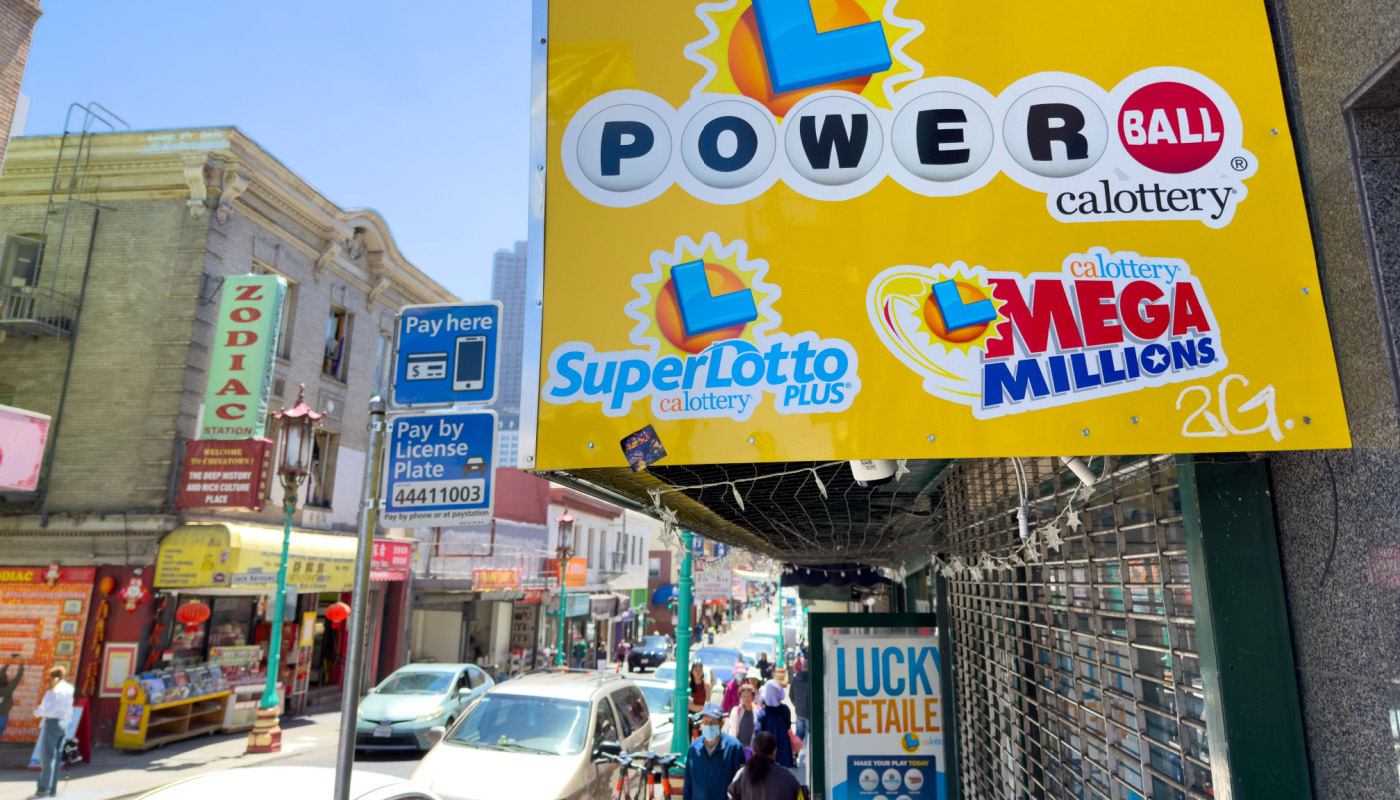
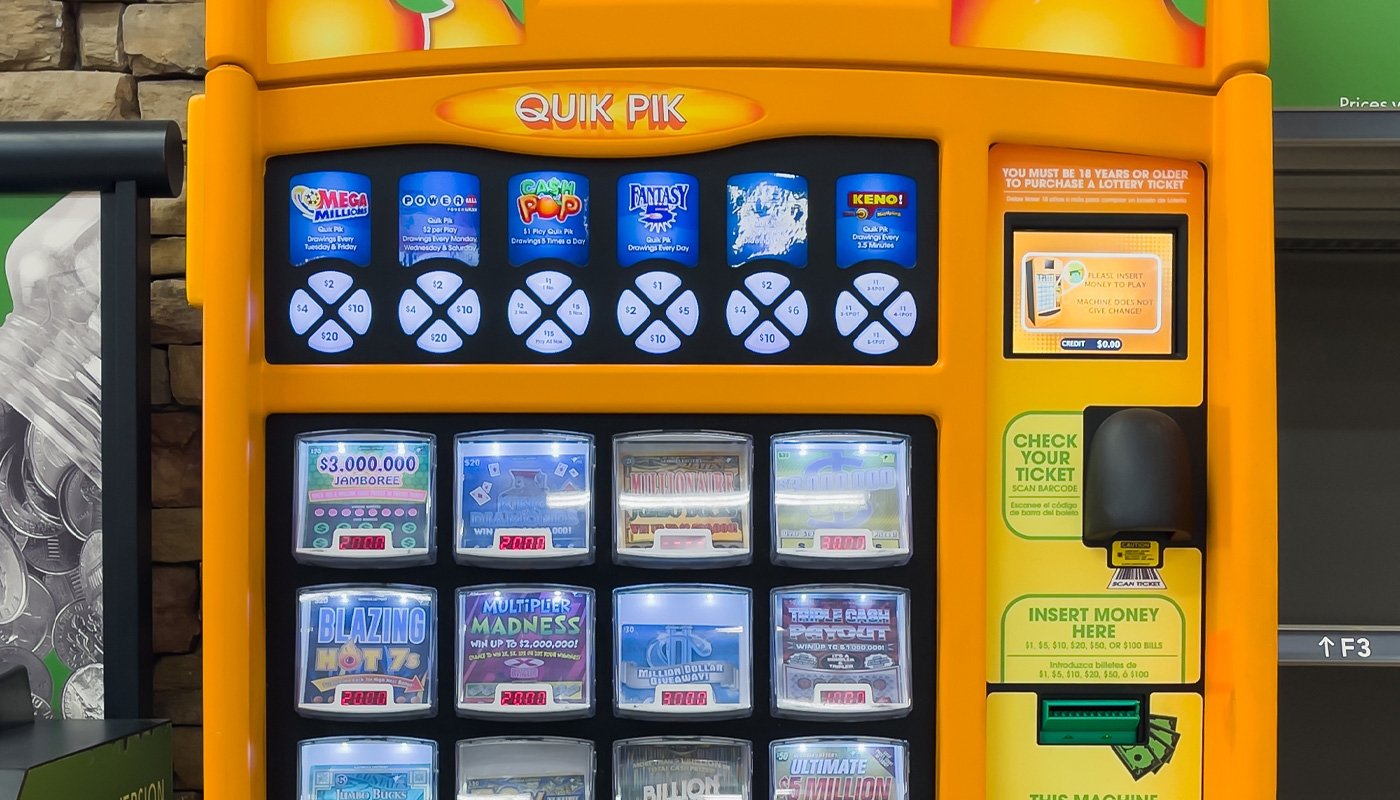
With regard to geographical positions, as reported by Business Wire, lottery tickets and games are going to become more ubiquitous in 2024. Maximizing people's time while they are pre- or mid-flight, from in-store gaming to airport terminal kiosks, people wanting to play the lottery will have little difficulty locating a spot or hub while out and about.
2. Millions, aka huge jackpots
Due to the massive jackpot sizes to which many of the multi-state lottery game draws have grown and the savviness of marketing experts to tap into that phenomenon, increasing numbers of persons have been found to be buying tickets, not just one-time or for record prize amounts, but consistently, on a regular day-in, day-out basis.
The largest of recent jackpots can be attributed to fundamental changes in how the draw games are played. Lottery officials worked to reconfigure 'play' aspects of both the Mega Millions and Powerball games by adding additional numbers to delay payouts.
“The larger jackpots are by design," Jadrian Wooten, collegiate associate professor of economics at Virginia Tech, was reported as saying, according to USA TODAY.
In 2017, following changes made to Powerball whereby ticket prices were raised from $1 to $2 and more numbers were added to the pool, lottery officials were able to achieve the following similar results for Mega Millions: decreased odds of winning the top prize and increased sizes of the jackpots.
With the continued surge in the number of players, there appears to be no cap on how high the multi-state games' jackpots will go.
3. Millennials, aka hot new target market
Appreciative of the ease, accessibility, and trendiness, millennials and other "hip, current" generational types are reportedly playing the lottery in increased numbers, often using their digital wallet to finance their ticket and/or game purchases.
Further drawing in this younger demographic is the use of social media in terms of celebrity personalities, legalization of sports betting, and mobility of the games, where persons can play anywhere, e.g., while at the park/pool, a feature that holds great appeal for players of online gaming.
With all the new developments and plans for forthcoming initiatives, it becomes easy to understand the genesis for the growth and to see how — within the gaming industry — the lottery sustains not just its standing but also its reputation as a change-maker both in the way of people's lives and in market dynamics.
Yet, on a more traditional note, while morphing in a variety of ways, it's always comforting to know that at its core, the U.S. lottery will live on as a path to lifelong financial security.
For who among us hadn't heard the following statement be said aloud at least once a week or more, “When I win the lottery… I'll do X, Y, and Z.”














Comments