
News writer

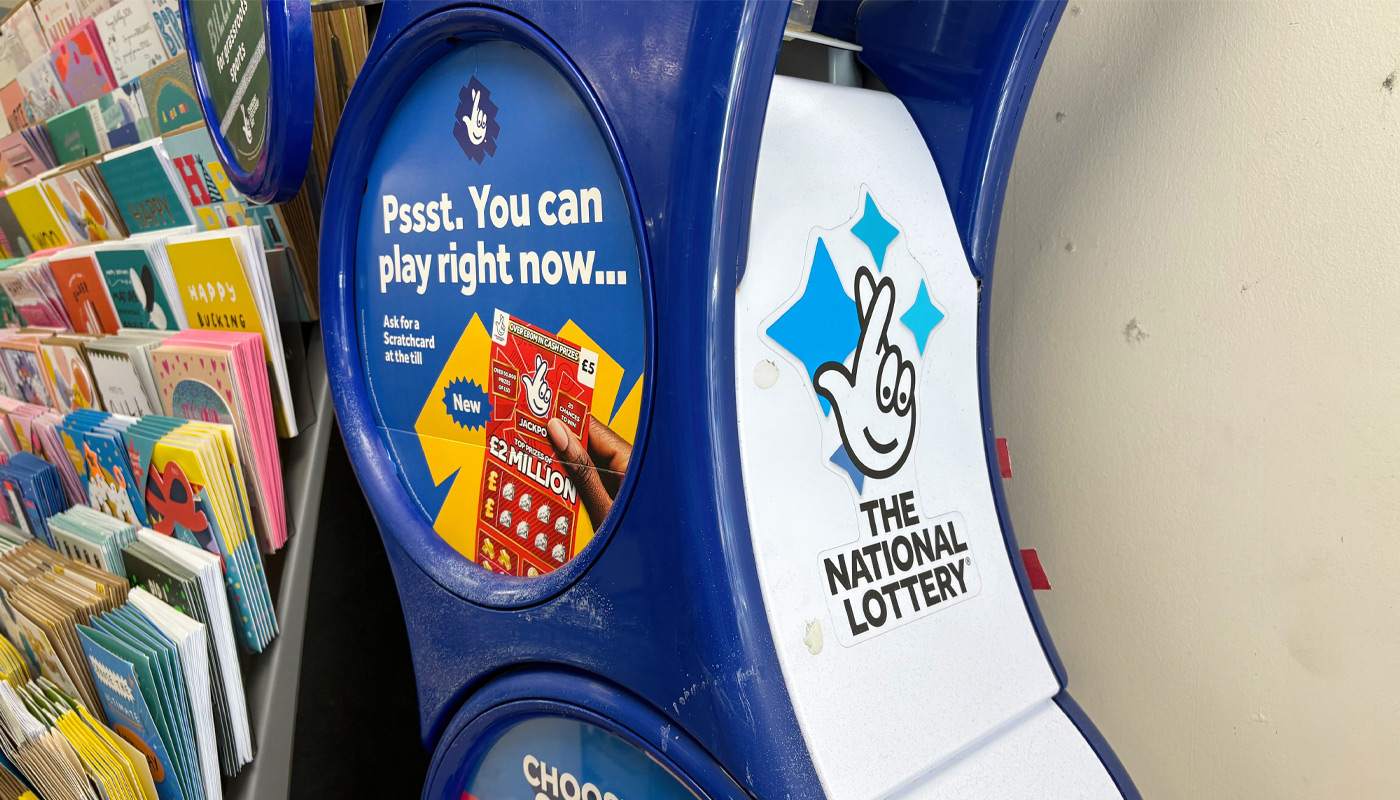
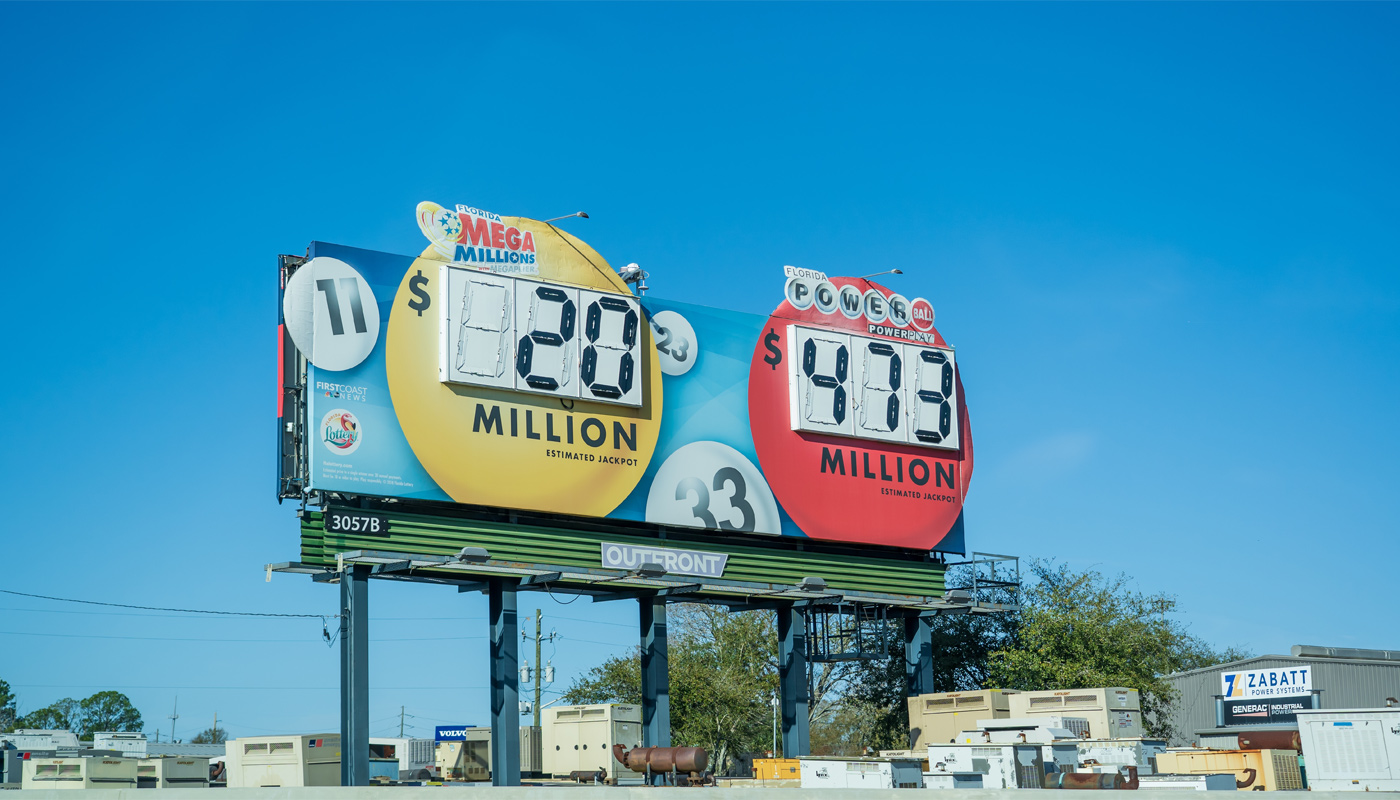
For decades, advertising for state lotteries has followed a simple formula: bigger jackpots, bigger dreams, bigger crowds at the counter. We would see TV commercials promising life-changing moments. Billboards would be lit up, reminding drivers that tonight's drawing could change everything. Digital ads appear on social media feeds, websites, and mobile apps. We even see some states advertising scratch-offs as gift ideas during the holidays. However, there is a growing debate taking place on whether or not state lotteries should be spending all that money encouraging people to play in the first place.
The latest news is coming out of New York, where critics are arguing that such large amounts of money are being spent on lottery advertising, and it is essentially a government-sponsored push aimed at lower-income communities. This isn't anything we haven't heard before. However, it does bring up an uncomfortable question for lottery officials: How much promotion is too much when the government is selling a gambling product? To be honest, the answer is way more complicated than just saying lotteries should advertise less or advertise more. Finding that right balance is one of the biggest challenges facing state lotteries over the next 10 years.
The difference between lotteries and private gambling companies
For casinos, they exist to maximize profits for shareholders. A sportsbook wants customers to bet more and spend more money. However, state lotteries operate under a different mandate.
When it comes to state lotteries, the revenue is often used to fund public programs like education, senior services, or veteran programs. Every additional dollar the lottery can make in sales means it's additional funding for causes that voters generally care about. This creates a very difficult balancing act.
Lawmakers often judge lottery officials based on those revenue numbers. If sales are down, then pressure is put on them to modernize games, increase promotions, or invest in new marketing campaigns.
In the same breath, the state lotteries are expected to promote responsible gambling and discourage excessive play. There aren't many industries out there that are being asked to not only encourage participation but also discourage overparticipation.
It's more than just selling tickets
Critics of lottery advertising often see it doing one thing: attempting to convince non-players to start playing the lottery.
However, that's far from the truth. Lottery advertising serves several purposes:
- It informs players about new games, promotions, or rule changes.
- It reminds occasional players that jackpots have reached historic levels.
- Helps direct players toward official lottery channels, websites, apps, and responsible gaming resources.
It's not a question of whether or not lotteries should be advertising. It's more a question of what kind of advertising they should be doing.
Who is seeing these ads?
The bigger concern with lottery advertising is how these ads seem to disproportionately reach lower-income households. A ton of research has been done on this topic, and it shows that lower-income players tend to spend a larger percentage of their income on lottery products than higher-income households.
Critics argue that heavily advertising in those types of communities effectively turns lottery sales into a regressive tax. However, supporters often counter that participation in the lottery is voluntary. They state there are millions of middle-class and upper-income Americans who also buy tickets on the regular.
Both of these arguments hold some kind of truth. The real issue isn't whether lower-income players take part in state lotteries. The issue is whether advertising is intentionally trying to market to these neighborhoods where the residents can't afford to lose money.
If state lotteries are buying more billboard space, retail promotions, and localized advertising in these economically vulnerable neighborhoods, then critics have a legitimate concern worth addressing. These state lotteries have access to sophisticated consumer analytics, which did not exist 20 years ago. They must use those tools responsibly.
Digital advertising changes things
For states, lottery advertising no longer means buying a TV commercial spot during the evening news. Marketing is now happening more and more online.
Social media ads can target users based on geography, age, interests, and behavior patterns. Players can get mobile notifications reminding them about jackpots. Email campaigns can alert customers about promotions and second-chance drawings.
Digital advertising is not only more efficient than traditional media campaigns, but it's also often cheaper. However, this efficiency does create new ethical questions:
- Should lotteries use the same behavioral marketing tools used by online retailers?
- Should they send personalized reminders to inactive players?
- Should push notifications encourage customers to return after long periods without purchasing tickets?
Many online retailers already use many of these strategies. State lotteries need to decide where they want to draw the line.
Can't ignore problem gambling
The biggest argument for lowering the amount of money spent on lottery advertising centers around problem gambling.
Most lottery players are taking part casually and responsibly. They'll buy a Powerball ticket when the jackpot gets high or get a scratch-off ticket when paying for gas. This is just entertainment spending for millions of Americans.
However, it's not always the same for every American. Some individuals are struggling with gambling addictions, and these constant reminders to play can become triggers.
This is especially true as lotteries introduce products with faster play cycles. Traditional lottery draw games have two or three drawings every week.
However, today's lottery industry has more and more daily drawings, multiple drawings per day, instant-win online games, and Fast Play products that give players immediate results.
The shorter the time is between purchasing the tickets and getting an outcome, the more similarities these products share with casino-style gambling.
While some of these advertising strategies may have seemed harmless during the era of weekly drawings, they can feel very different now, when players can purchase and resolve dozens of games in minutes.
Some advertising may support responsible play
If the state lotteries got rid of all advertising, it could create unintended consequences. State lotteries often deliver responsible gambling messages through the same channels as promotional campaigns.
We often see details about odds, spending limits, helplines, and responsible gaming programs in advertisements and printed materials. These advertisements can also serve as a reminder to players that lottery games are entertainment and not financial strategies.
Some experts argue that the problem isn't the amount of advertising being done, but the message being communicated. A commercial that says, “Imagine what you'd do with $500 million,” creates a different expectation than one that says, “Play for fun and know your limits.”
This difference matters. Lotteries may need to devote more marketing resources toward education rather than pure promotion.
Massachusetts offers an interesting counterargument
Those critics of spending a lot of money on advertising often point to Massachusetts. The state lottery has generated some of the biggest per-capita sales figures in the country. That's happening despite the state lottery spending less on advertising than some larger states. This could suggest a few possibilities:
- Strong retailer networks may matter more than marketing budgets.
- Established player habits may sustain sales without expensive campaigns.
- Word of mouth, when those jackpots get high, may generate enough publicity on its own.
- Certain lottery products may even reach a saturation point where additional advertising produces diminishing returns.
A state spending $30 million on marketing might not sell more tickets than a state spending $15 million. If that is true, then lottery officials should be regularly evaluating whether advertising dollars are actually generating new revenue or just simply maintaining visibility. The answer to this question, of course, varies from one state to another.
Higher standards for government gambling
Many Americans hold state lotteries to a higher standard than a private gaming company. When a sportsbook launches an aggressive marketing campaign, consumers understand they are trying to pursue more profits.
However, when a state lottery runs the same campaign, taxpayers may feel differently because the government itself is delivering the message. The taxpayers expect:
- Some level of restraint.
- Honesty about odds.
- Transparency about where revenue goes.
- Safeguards for vulnerable players.
- Governments should avoid marketing practices that appear exploitative.
You can assume these expectations will just continue to grow as state lotteries become more digital and more sophisticated.
Smarter advertising, not less advertising
The real solution probably isn't eliminating lottery advertising. It may be about making smarter choices when it comes to advertising. This includes:
- Reducing campaigns aimed primarily at increasing play frequency.
- Avoiding highly targeted marketing in economically vulnerable areas.
- Including stronger responsible gambling messaging.
- Measuring whether campaigns attract new players or simply encourage existing players to spend more.
- Setting limits on digital retargeting and behavioral advertising tactics.
- Increasing transparency around advertising budgets and objectives.
Many state lotteries already publish annual reports showing sales and funding. They could start to include metrics on advertising in these reports. If taxpayers are funding marketing campaigns, then they deserve to know whether those campaigns are effective and responsible.
Expecting state lotteries to stop advertising completely is unrealistic. However, expecting them to advertise differently from private gambling companies is reasonable. The challenge for lotteries isn't choosing between revenue and responsibility. It's proving that both can exist at the same time.
Enjoy playing the lottery, and please remember to play responsibly.
Lottery numerology predictions
Every week, we bring you the most up-to-date astrological forecasts for all signs of the zodiac.