
News writer

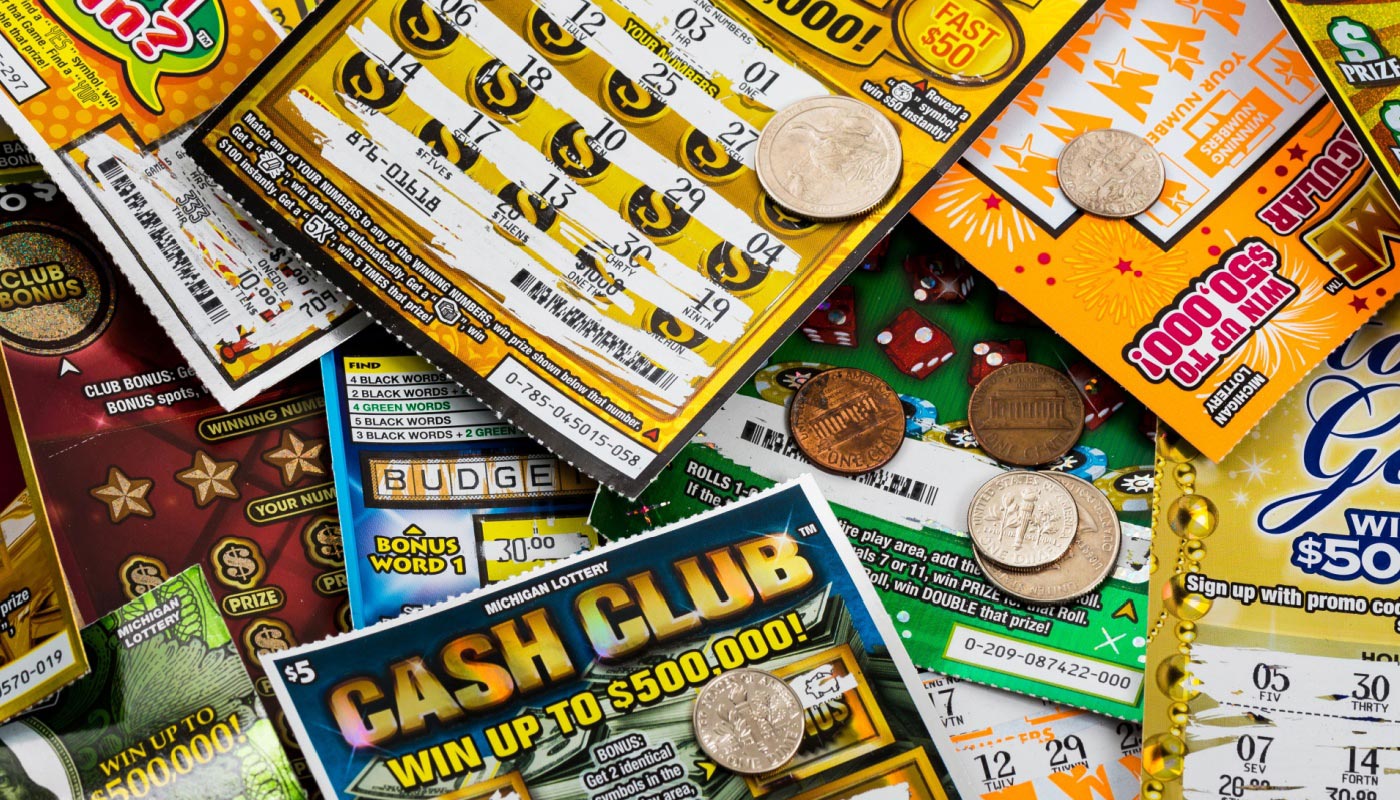
When it comes to the holiday season, we have many predictable traditions: debate over sugar cookies versus gingerbread, the last-minute dash for stocking stuffers, and, more and more recently, the sound of someone scratching a lottery ticket and hoping for a Christmas miracle. While there is so much talk about responsible gifting and warnings to not buy scratch-off tickets for minors around the holidays, there is one truth that goes unexamined: scratch-offs have become one of America’s favorite holiday gifts, and not by accident.
From festive snowflake designs to peppermint-striped $1 tickets right by the register, holiday-themed instant games are now a huge part of the lottery industry's fourth-quarter strategy. And for shoppers, they have become something between a low-effort present, a shared moment of excitement, and a tiny gamble all wrapped in a glassy foil.
As these holiday scratchers become more and more common in seasonal routines, and they account for a big share of year-end revenue for state lotteries, it's worth asking why people give them so freely, what is keeping this tradition alive, and if we should take a closer look at the psychology behind it.
Why scratch-offs became holiday currency
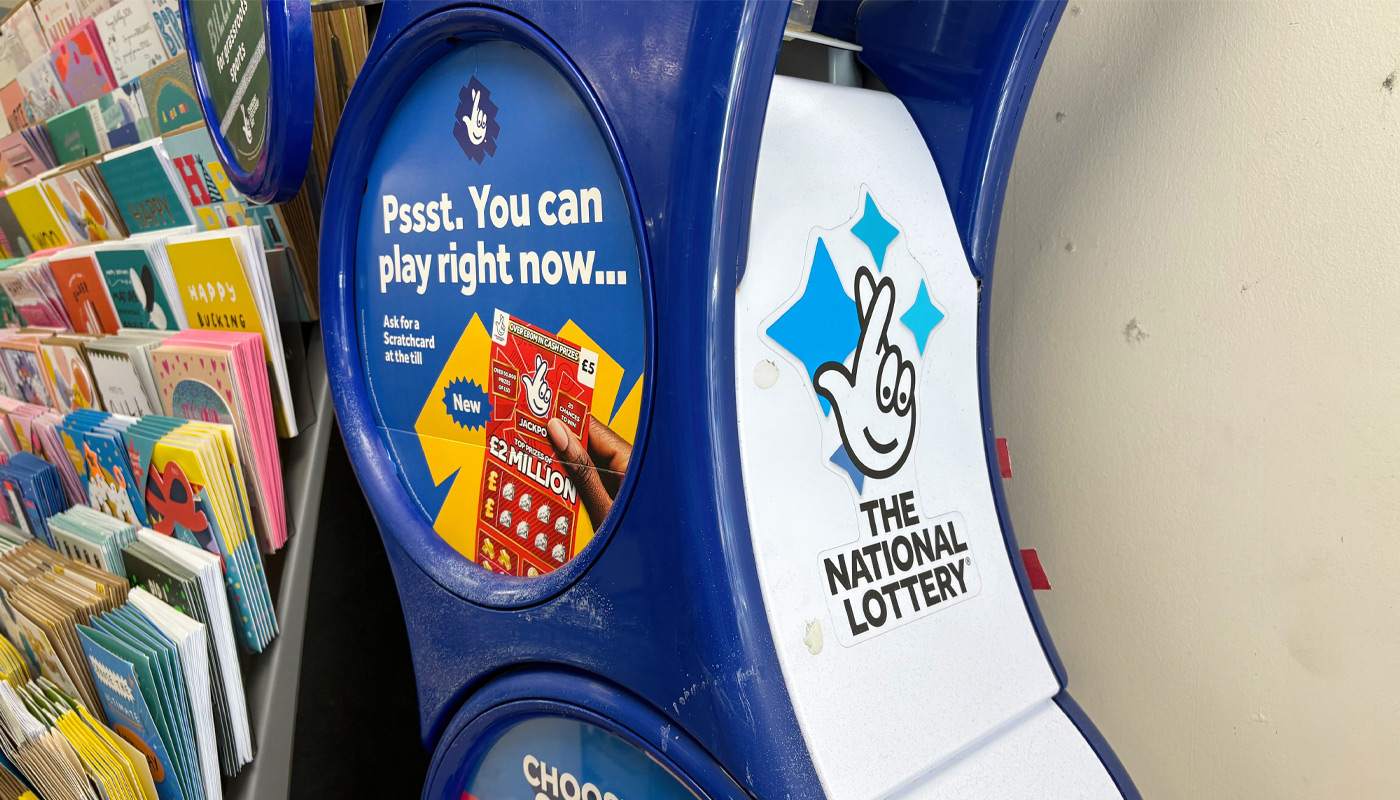
If you walk into any convenience store in December, the usual displays have shifted from the usual rainbow of scratch-off tickets to a wall of red, green, gold, and glitter. Snowmen are grinning at you optimistically from their $5 games. Reindeer are leaping across their $20 tickets. Some state lotteries even release advent-calendar-style scratch-offs, so how about 24 days of micro-gambling in the name of good cheer?
When first looking at them, the appeal seems pretty obvious: instant tickets are cheap, fun, and small enough to neatly slide into a stocking or holiday card. However, it goes deeper than convenience.
Lottery operators time their season launches meticulously. In early November, we see most state lotteries start releasing their holiday-branded games. This is just about the time when Americans start writing up their gift lists. And with that, these games have also become some of the strongest performers of the year.
Industry reports often show that instant ticket sales peak between Thanksgiving and Christmas, which makes sense. This timeframe represents one of the most profitable stretches on the lottery calendar.
For lotteries that are dependent on revenue from these instant games, holiday scratch-offs are the Q4 anchor. These holiday scratch-offs are like the pumpkin spice latte of gambling. They appear like clockwork every year and drive an almost guaranteed spike in sales.
However, that reliability doesn't just happen by accident. The holiday season is engineered into the scratch-off economy.
The psychology of a “little gamble”
Scratch-offs function differently from most stocking stuffers. Gift cards are impersonal, but useful. It's predictable to get candy. It's too practical to get socks. However, scratch-offs offer a possibility.
When you put a $2 holiday scratcher into a Christmas card, you're not just giving them a chance to win $500. You are also giving them a small jolt of hope. The real gift is the moment between when that coin first scrapes the ticket and the final reveal. There is a thrill; maybe you've just given them a life-changing present.
That moment is emotionally efficient. It only takes seconds, but it generates a big spike of dopamine, whether the ticket wins or not.
During the holidays, people are usually trying to find some sense of joy amid the stress. People will often gravitate toward small thrills that require no assembly, batteries, or shipping delays.
We also need to consider how scratch-offs have quietly become part of a holiday memory-making moment. Many families are buying them together and scratching them around the table before or after dinner. Others may use them as part of a white elephant gift exchange or add them to a gift bag at the last minute.
Ask around, and you'll discover that instant tickets have become an expected holiday ritual. They are kind of those “I didn't know what to get you” types of gifts. However, you hope it gives them a little excitement and some extra money.
Because of that, scratch-offs often serve as emotional stand-ins. They're holiday coupons for hope.
But is it a harmless tradition, or something worth questioning?
The smile-glittering imagery on holiday scratch-offs can obscure the truth that they are still gambling products. And normalizing gambling as a seasonal gift, even for adults, raises uncomfortable questions.
Much of the public conversation has centered on one very specific warning: don't give lottery tickets to minors. Advocacy groups have pushed hard on this message during the holiday season, and for good reason. Early exposure to gambling can increase the risk of problem gambling later in life, and scratch-offs marketed with cheery holiday designs have even more potential to blur the boundaries between game and gamble.
But while that message is essential, it leaves a broader discussion untouched: are we as fully aware as we think when we weave gambling into our gift-giving rituals?
Adults scratching tickets is not inherently problematic. Most people buy instant games for fun, not out of compulsion, and never spend beyond their means. But holiday gifting changes the dynamic. People who don't normally buy scratch-offs suddenly purchase them in large quantities, whether it's for coworkers, neighbors, distant relatives, or the annual holiday party raffle, because it feels festive.
When we frame it as festive, then it removes any friction. It actually encourages impulse purchases. It can bundle gambling with generosity, wrapping it up in a cultural narrative of cheer and surprise.
Even if most of the recipients of these scratchers don't become habitual players, the holiday surge still reflects a pattern worth looking into: we treat scratch-offs as harmless novelties rather than the gambling products they are.
That line between tradition and normalization is thin. The holidays are uniquely powerful at blurring it.
Holiday marketing: the soft sell that hits hard
Lottery operators are very open about how important the holiday season is. They plan heavily for it. They will coordinate promotions, ad campaigns, and community events designed to increase instant ticket sales during November and December.
However, the marketing style is different. It's gentler, warmer, and more emotionally tuned than the rest of the year. They aren't trying to convince lottery players to “win big” with this holiday ticket. Instead, they are focused on togetherness, excitement, and the charm of surprising someone with a ticket that could be worth more than it seems.
It seems like the message shifts from “play to win” to “give someone a moment of joy.” This turns gambling into gifting, and it works.
Holiday scratchers are also some of the most eye-catching tickets made every year. They are designed to look like presents because that's what lottery operators want you to buy them for. And when people buy these tickets, they are thinking more about convenience and the fantasy that they might become the hero of someone's holiday story. And lotteries know it.
Why do people justify buying scratch-offs as gifts?
Looking past the psychology and marketing, there is also one thing to keep in mind: scratch-offs help solve holiday problems.
They are:
- Affordable (with options as low as $1).
- Easy to buy (no shipping delays and no empty shelves).
- Lot-free (no worrying about size, color, taste, or fit).
- Socially neutral (you can buy them for anyone).
They are the ultimate “I need something that looks thoughtful but requires zero decisions” gift.
Everyone knows what to do with this gift: scratch it and hope for a big win.
They also mimic the holiday emotional arc. We have the excitement of opening presents, but then that excitement is matched again when revealing the ticket’s symbols. It can also be linked to the idea that miracles happen around Christmas, so why not a miracle lottery win?
Givers will justify these tickets as entertainment rather than gambling. They view the ticket not as a wager, but as an experience. You’re paying for the thrill of it, the anticipation. It's just like buying someone a coffee or a movie ticket. By framing it this way, the gift feels harmless.
But does harmless necessarily mean beyond scrutiny?
Culturally, we rarely challenge the tradition of gifting scratch-offs. It feels too small to analyze, too lighthearted to critique. But questioning doesn't mean condemning. It means understanding the dynamics beneath the glitter.
The holiday scratch-off boom reveals something about how we think about joy, money, and risk.
It shows that Americans are comfortable with controlled doses of gambling when wrapped in seasonal cheer. It shows that the lottery has become not just a system of chance but a cultural product woven into family rituals. It shows how marketing can shape not just behavior but tradition.
None of that is inherently negative, but it is worth acknowledging.
Especially when December ticket sales often peak for the same reasons other forms of spending spike during the season: people feel more pressure, more stress, more desire to give something that feels meaningful with minimal cost.
Scratch-offs fill that space. They capitalize on that tension. And that's why they deserve the same thoughtful scrutiny we apply to other holiday trends.
So what should we make of the tradition?
Scratch-off gifting isn't going anywhere. The numbers make that clear. The visibility makes that clear. The nostalgia makes that clear. In many ways, this tradition is as rooted as peppermint mochas or holiday movie marathons.
But the healthiest way to keep it a positive part of the season is through awareness.
We can view scratch-offs as harmless fun and still recognize them as gambling products. We can enjoy giving them while still understanding how and why they dominate December sales. We can embrace the excitement while keeping realistic expectations and encouraging others to do the same.
And perhaps most importantly, we can give them because we want to spread joy, not because we think a ticket might magically fix someone's year.
Scratch-offs may always be part gift, part hope, and part impulse. But maybe the real holiday magic isn't the chance to win, but it’s the shared moment of possibility, the laughter around the table, the flutter of excitement that lasts only a few seconds but feels like part of the season.
That's what keeps people buying them. And that's what keeps scratch-offs in stockings, year after year.
Enjoy playing the lottery, and please remember to play responsibly.










Comments