
News writer, Interviewer

Powerball just got a passport. Starting July 21, 2026, players in the United Kingdom will buy tickets for the same jackpot Americans have chased since 1992. The first shared drawing lands on July 22. For the first time in the game's history, a non-U.S. lottery will feed the Powerball jackpot.
Nothing changes for U.S. players. The ticket still costs $2. The odds still sit at 1 in 292.2 million for the jackpot and 1 in 24.9 for any prize. Draw nights stay put: Monday, Wednesday, Saturday, 10:59 p.m. ET, from the studio in Florida. So why does this matter here at home?
Bigger pool, bigger jackpots
More players buying in means more money flowing into the jackpot. That's the entire pitch behind this expansion. The U.K.'s National Lottery, run by Allwyn, joins 48 existing U.S. lotteries to make 49 total contributors. Every additional ticket sold, wherever it's sold, pushes the jackpot toward a faster climb.
Rebecca Paul, president and CEO of the Tennessee Lottery, put it plainly: “More players means faster-growing jackpots.”
The money stays at home
Here's the part that matters most for American players: your ticket dollars don't leave the country. More than half of every $2 spent in the U.S. stays in the jurisdiction where it was purchased. That money funds scholarships, veteran services, parks, and schools. Since 1992, Powerball has generated an estimated $38 billion for causes like these. This expansion doesn't touch that arrangement. Paul confirmed it: every ticket sold in the U.S. keeps funding programs at home.
What U.K. players get
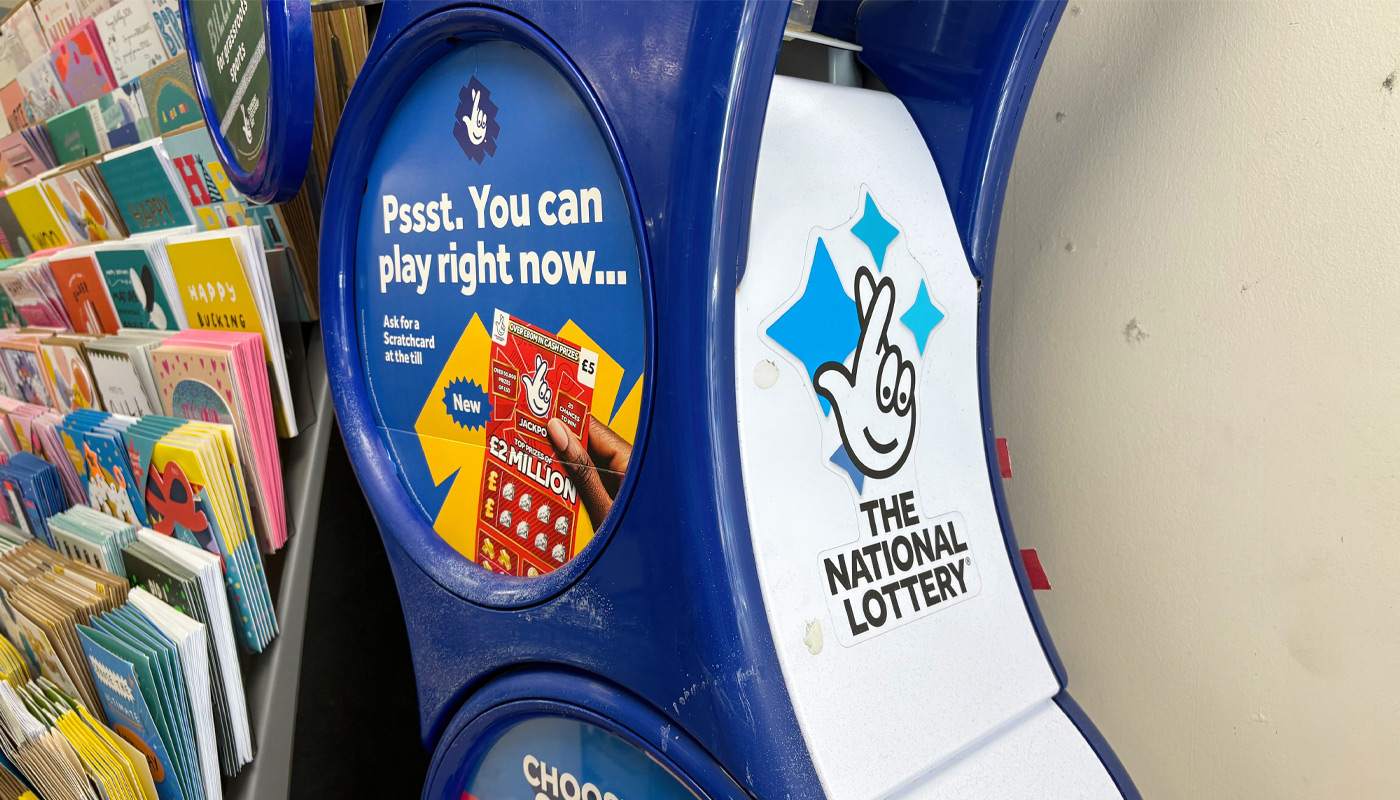
U.K. tickets won't work like U.S. tickets. They cost £4, not $2. They only feed the jackpot, not the lower-tier prizes. And the U.K. gets its own separate prize structure below the jackpot, including a fixed £1 million prize for matching all five main numbers, and a new £8 prize tier for matching just two.
The odds differ, too. Overall odds of winning something in the U.K. sit at 1 in 14, better than the American 1 in 24.9. But the jackpot odds match: 1 in 292.2 million either way. Same numbers, same draw, same long odds at the top.
Why 30 years?
Powerball in the U.K. only pays its jackpot over 30 years instead of one lump sum. Why? A longer payout stretches the total prize higher than a single upfront check would. It also gives winners a steady income stream for decades, rather than one enormous check to manage overnight. That structure isn't changing for the U.S. with the U.K. launch.
What this really signals
Allwyn U.K.'s CEO, Andria Vidler, called this a chance for National Lottery players to "dream bigger." Fair enough. But the more interesting story is what it says about where lottery jackpots are headed. If pooling players across borders reliably grows prizes faster, why would Powerball stop at one country? Today it's the U.K. The math behind this launch suggests it won't be the last.
For now, American players get the upside without the downside: bigger jackpots, same $2 ticket, same odds, same money staying local. The only real change is who's standing at the register buying a ticket for the same draw.
Lottery numerology predictions
Every week, we bring you the most up-to-date astrological forecasts for all signs of the zodiac.