
News writer

Winning a multi-million dollar lottery jackpot opens your life to many possibilities, some of which you may never have considered before. Although immortality is not possible in our lifetime, it may be in the future. What if scientists could completely preserve your body by freezing it? Well, they can.
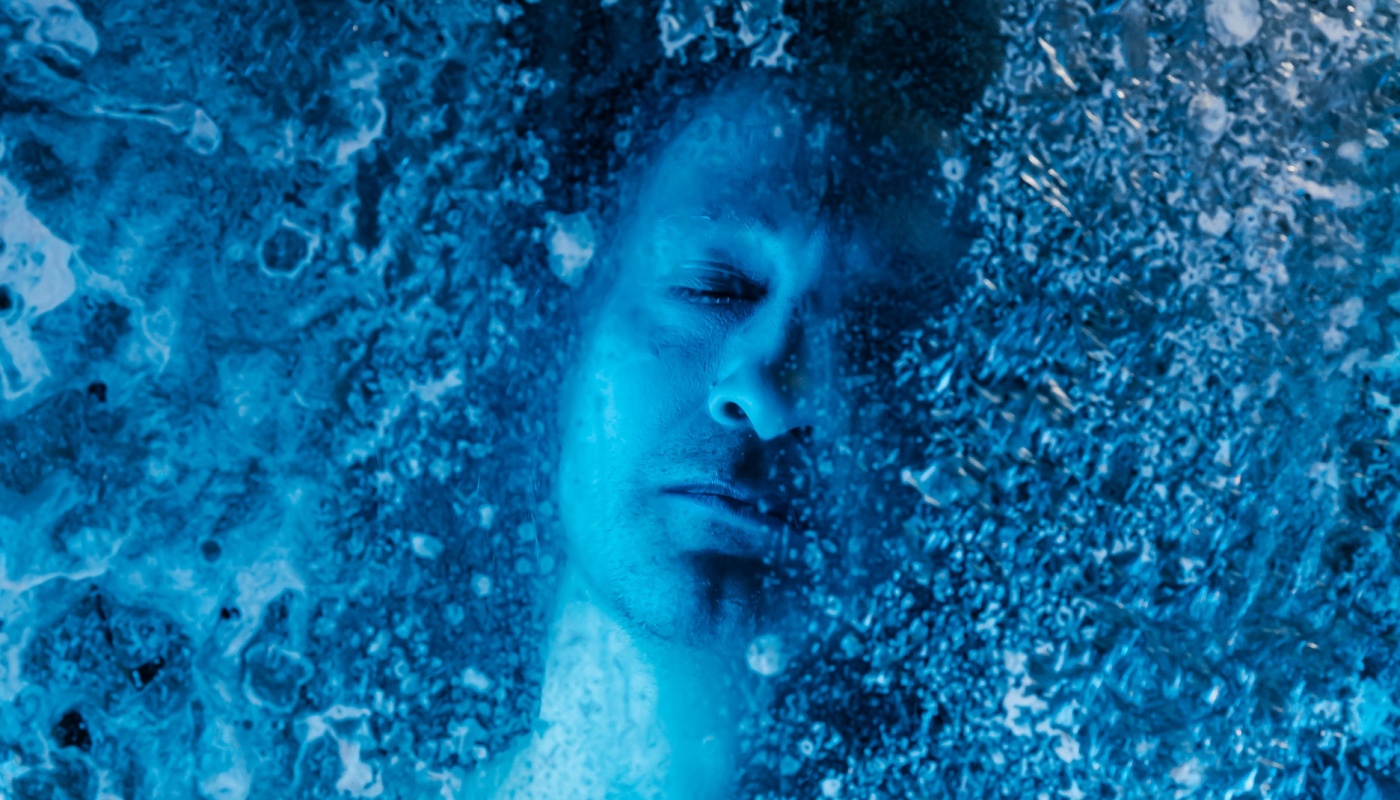
The process is called cryonics. It involves maintaining the human body at subzero temperatures so that, in the future, when scientists have developed the technology, they can gently thaw you out and restore your life. This may all sound like science fiction, but cryonics is a fact, and it has already been done multiple times. The most common reason people cite for wanting to be preserved in this way is so that whatever caused their death can be cured or treated in the future, giving them a new chance at life and extending human lifespans.
Cryonics explained
Cryonics, also known as cryonic preservation, is a process that involves preserving human bodies and protecting them from decay by storing them at extremely low temperatures. The idea is to preserve them in this state indefinitely until science has advanced enough to be able to revive the bodies completely intact and fully functional. At such a time, there may even be a cure for the disease that killed them in the first place. The process of cryopreservation involves three stages, which must begin as soon as possible after the person has been declared legally dead.
- Stage one: The body is immersed in an ice bath. A ventilation mask is placed over the face so that oxygen can be continually pumped to the brain and other organs. In combination with the anticoagulant heparin, automated CPR is used to make sure that the blood continues to flow. Body temperature is carefully monitored to ensure that the reduction is gradual.
- Stage two: This is the vitrification process. This means that the body's cells and organs are prepared for the extremely low temperatures that they will eventually reach. During this step, the fluids within the body will be replaced with cryoprotective agents. These agents act as a form of antifreeze and prevent the cells and tissues from fracturing as they are frozen.
- Stage three: Once the body has been prepared for the ultra-low temperatures, the delicate process of controlled cooling begins. This is the final stage before the body is placed into long-term storage. The body is placed into a protective insulating bag, which in turn is placed into a specially designed cooling box. Liquid nitrogen is pumped into the box at a steady rate over several days until the body reaches a temperature of -196 degrees Celsius.
Once the body has reached the required temperature, it is transported to the storage facility and placed into a vessel filled with liquid nitrogen, known as a cryostat.
What is neuropreservation?
A less costly alternative to full-body cryopreservation is neuropreservation. In this procedure, only the head is preserved. This process is based on the assumption that only the brain is needed to restore the person's life and that a new body could be cloned or regenerated.
Revival from cryonic preservation
Currently, science is not even close to reaching this capability. There are a number of serious obstacles preventing the reversal of cryonic freezing. Revival would most likely require repairing damage to cells and tissue from lack of oxygen and improper vitrification. Not to mention that there would need to be a cure for whatever disease caused the person's death. There is no way to even give a reliable estimate as to when revival from this form of biostasis might be possible. For example, perhaps in the future, minute nanobots could be injected into a body to make repairs on the cellular level. It could take decades, if not longer, for the required technology to be developed. So, if you are planning on having your body cryonically preserved when you are revived, the world will probably look very different.
How much does cryonic preservation cost?
If you want to arrange for your body to be cryopreserved after your death, you should probably contact the non-profit Alcor Life Extension Foundation in Scottsdale, Arizona. The foundation claims to be a world leader in cryonic. Currently, the facility is home to 199 cryonically-preserved human heads and bodies.
If you want to join them, it will cost you $200,000 for your body and $80,000 for your brain alone. In an interview with Reuters, Max More, chief executive of Alcor, explained that most of the Foundations living members pay for their preservation by making the company the beneficiary of their life insurance policies, which are equal to the cost of the preservation fees.
Famous people and cryonic preservation
Quite a few famous people now deceased have been cryonically preserved, and several more who are still alive have made arrangements to be preserved after their deaths. Here are some of them:
Deceased people who have been cryopreserved:
- James Bedford: In 1967, the former psychology professor at the University of California became the first human to have their whole body cryopreserved.
- Dick Clair: This actor, movie writer, and TV producer became cryopreserved in 1988.
- Dora Kent: The mother of a board member of Alcor, Dora was preserved in 1987. Soon after, she became the subject of a legal controversy that suggested she'd been murdered before being cryopreserved.
- Robert Ettinger: Known as the father of cryonics because of his book The Prospect of Immortality, Ettinger was cryonically preserved in 2011.
- Ted Williams: The major league baseball player for the Boston Red Sox was preserved in 2002. His son joined him at Alcor two years later.
Living people who plan to be cryopreserved:
- Seth MacFarlane: Actor, writer, animator, and comedian. He is known for creating and starring in the TV series Family Guy.
- Paris Hilton: Socialite and media personality. She is also a great-granddaughter of the founder of Hilton Hotels.
- Ray Kurzweil: American author, computer scientist, inventor, and futurist. He is known for his work in the fields of speech recognition technology and text-to-speech synthesis.
- Robin Hanson: Research associate at the Future of Humanity Institute of Oxford University. He is known for his work on predicting futures and investments.
- Max Moore: Chief Executive of the Alcor Life Extension Foundation.
- Ralph Merkel: American mathematician and computer scientist. He is known for helping invent public-key cryptography.
The myth of Walt Disney's cryopreservation
One of Hollywood's weirdest and most widely believed urban myths is that somewhere in Disneyland sits the cryogenically preserved head of Walt Disney. The animation icon died on December 15, 1966. Rumors about his frozen head began to circulate just weeks later when a reporter from the tabloid The National Spotlight claimed that he'd snuck into St. Joseph's Hospital in Burbank, where Disney was being treated before he died. According to the reporter, disguised as a hospital orderly, he broke into a storage room and saw Disney's head in a cryogenic cylinder.
The story circulated rapidly during the 60s and continues to do so today. However, there isn't a shred of evidence to prove that the story is true. What's more, in 1972, Disney's daughter wrote that there was no truth in the rumor and that she doubted her father had even heard of cryonics.
Cryopreservation in TV and movies
If you want to see more about cryopreservation in fact and fiction, there are several TV shows and movies to watch. These include:
- Hope Frozen: In this documentary, after losing their three-year-old child to brain cancer, a Thai couple decides to have her cryonically preserved.
- Cryonics: Death in the Deep Freeze: In this documentary, a terminally ill woman discusses her life and her future after her death.
- Prometheus Trap: In this movie, the two surviving crew members aboard the spacecraft Venom are woken from cryo-sleep and must figure out who is trying to sabotage their ship.
- 2001: A Space Odyssey: Three scientists are cryogenically hibernated on a spaceship so they can travel to Jupiter.
- Foundation: In this TV show, clones of planetary leaders are kept in cryonic stasis until it is their turn to rule.
The idea of being preserved after death and being woken in a distant future when scientists have developed the technology may appeal to you, but then it just might not be the future that you imagined. Perhaps you would prefer to spend your lottery winnings in the present instead.




















Comments