
News writer; Opinion columnist

We all want to win the lottery. So much so that we’ll pray, beg, and dream of one day taking home a seven or eight-figure jackpot. But even if we buy dozens of tickets for every drawing or hundreds of instant-win games, the cold, brutal truth is that the vast majority of us will never win a big jackpot.
But some people simply can’t accept that. Their need to win is so great that even if they never know the joy of matching every number or uncovering the winning symbol, they’ll simply tell people that they won, even if they haven’t.
These are true stories of people who pretended they won the lottery and the damage their lies did to the people around them.
Fantasy land
It was September 1998, and things were not going well for UK couple Howard and Kathy Walmsley. Howard struggled to make enough money from his work as a painter, and his bills kept piling up.
Things were so dire that when Kathy saw a pair of shoes she liked that cost only £8, she told Howard that she didn’t think they could afford them. That was the moment Howard looked her in the eyes and told a monumental lie that would unravel all of their lives. “Get them,” he said, “I won the lottery, and we’re millionaires now.”
Kathy was shocked but thrilled. Finally, after all of their years of struggle, they could live the life they had always dreamed of. To show Kathy how their life had changed, Howard took her on a luxurious vacation to the Canary Islands and picked up the dinner bills for strangers while they were there.
When they returned home, Howard threw a party to celebrate their ‘big win’ for all their friends and family, and he promised everyone that he would share the wealth. Howard admitted that for the first time in his life, he felt like a rock star, and he loved it.
But the more people he told about his fortune, the more he felt pressured to maintain the appearance of being a millionaire. He took out a loan from a bank and used the money for down payments on two Jaguars, one for him and one for Kathy.
When Kathy told him that she was ready to move out of their dingy East End flat and into a home more suitable for a big lottery winner, he bought an old farmhouse and set about remodeling it into the home of their dreams. He hired an architect to draw up plans for a remodeled home that included horse stables, a gym, and a pool.
He even asked the pool designer to create a cover strong enough for him to dance on. Kathy gave away their furniture in anticipation of redecorating their future home.
However, even as Howard maintained the illusion that he could afford the high life, his bills were piling up, and creditors were calling for payment. So he came up with a not-quite-master plan. He started buying lottery tickets. A lot of them. He argued that if he could win the lottery in real life, he could pay all the bills he was racking up with his fake lottery winnings.
When Kathy grew suspicious of his lottery claims, Howard deposited a check for several million pounds into his account, knowing it would bounce, but allowing him to show her a large balance in his account before it did.
Despite her misgivings, Kathy was still excited to move into their new home. But on the day they planned to leave their apartment, they heard loud, violent banging on the door and voices shouting, “Police, open up!” Howard thought his con was finally up, but it turns out they were investigating older fraud claims from his painting business.
Detectives brought him in for interrogation, and Howard claimed that he was a lottery winner and would use the money to pay out the people he had defrauded as a painter. However, as investigators looked into his story, they quickly realized that Howard’s big lottery dream was all a lie.
Not only did Kathy learn that the lottery win wasn’t real, but Howard also told her he had a mistress and convinced her to take a 30,000-pound loan, which he used to maintain the lie that he was a millionaire. Kathy was devastated.
The police charged Howard with thirteen counts of fraud and deception. He was convicted and sentenced to three years in prison. The presiding judge told him:
You conned your victims, but you will not con this court. I take the view that you lived in a fantasy world. You wanted to aspire to the high life, to appear successful, but you seem to lack what it takes to be a successful entrepreneur, so you embarked on a scheme of lies and deceit.
Howard’s story became so notorious in Britain that it even inspired the movie Can’t Buy Me Love, starring Martin Kemp and Michelle Harris.
Amazingly enough, three years in prison still wasn’t enough time to reform Howard’s fraudulent ways. In the years since his release, three different women have accused him of romance scams, claiming that he promised to marry them, while at the same time wiping out their bank accounts and convincing them to take out loans to finance his high-flying lifestyle.
Police are reportedly searching for Howard, and some reports indicate he is currently running a bar in Vietnam.
No reality
Wherever we look on social media, we see people enjoying the lives we wish we could afford. From luxurious vacations to exotic sports cars to lavish nights out, opulence is everywhere, even if it's beyond our means.
That may have been what inspired one young British man to convince people he was living the rich life before he ever really achieved it.
Vladimir Wilson had a social media profile to make anyone jealous. The 27-year-old claimed he was a lottery winner and posted numerous photos of himself enjoying big nights out in some of London’s poshest hot spots.
His claim to the lush life began on the MTV show Judge Geordie, where he showed off his designer clothes and alleged luxury home. He told the presenter, Vicky Pattison, that he had won the lottery as a teenager, claiming, “I am the youngest UK lottery jackpot winner. I won about £5.6million.”
A peek around his social media pages would certainly seem to back up those claims, with images of Wilson sitting in an Aston Martin, standing on a runway next to a private jet, and flaunting a collection of expensive watches.
His lifestyle was so convincing that the UK reality show Britain’s Flashiest Families asked him to appear on an episode. Wilson obliged and put on a show for the cameras. He hired a limousine to drive him to the high-end Hatton Garden jewelry store in Beverly Hills, where he drank champagne and placed an order for a custom-made £50,000 diamond bracelet.
However, the store’s director picked up on something that eluded everyone else: Wilson wasn’t a millionaire. As someone accustomed to dealing with the truly rich, he knew there was something off about Wilson’s story.
In a statement released to reporters, the jeweler recalled:
We closed the store and provided champagne to the customer, and he ordered a £50,000 bespoke bracelet. However, our director, Jeremy Hartstone, became suspicious after speaking to the man about financial matters, and we postponed production of the bracelet until the payment was made. We have still received nothing and are disappointed that such a person should have been brought to our store.
When confronted by the show’s producers, Wilson finally admitted that he was not a millionaire and had never won the lottery. Further investigation revealed that he was an unemployed financial-services salesman who shared an apartment with a roommate.
He claimed that a social media company he hired had posted the luxury images to his Instagram account, but that he planned to change his ways, telling reporters:
Over the last few weeks, I have been thinking about the way I have been living. I have made mistakes; I am not perfect, but I have learned from them.
Fake date
Hieu Thai faced a problem familiar to many men: he couldn’t get a date. Despite endlessly swiping on apps like Tinder, he wasn’t getting any matches, so he decided to take some desperate measures.
First, he found a photo of Lerynne West, an Iowa mom who won half of a $687 million Powerball jackpot, holding her winning check. Next, he used Photoshop to erase her name from the check and add his own. He then placed a picture of his face over hers and added the Powerball logo to the back of the photo, making it appear he had won the lottery.
Unsurprisingly, his dating prospects vastly improved once people believed that he had won more than $300 million, and he had over 120 matches after adding his ‘winning’ picture.
To be fair, it was Thai himself who posted a TikTok video documenting his Photoshop skills, so it appears that this was more of a social experiment than a genuine attempt to get more dates by tricking women into thinking he was rich.
Still, it seemed to make an impact, given the heavy engagement he saw in his comments section and the video's over one million views.
“Honestly, this is so sad,” wrote one viewer, while another added, “That’s depressingly revealing.”
Arts and crafts
While Thai wasn’t a real lottery winner, he at least did a convincing job of persuading people that he was. Sadly, that wasn’t the case for our next fake winners, Craig Marshall Stout, who is no one’s idea of a criminal mastermind.
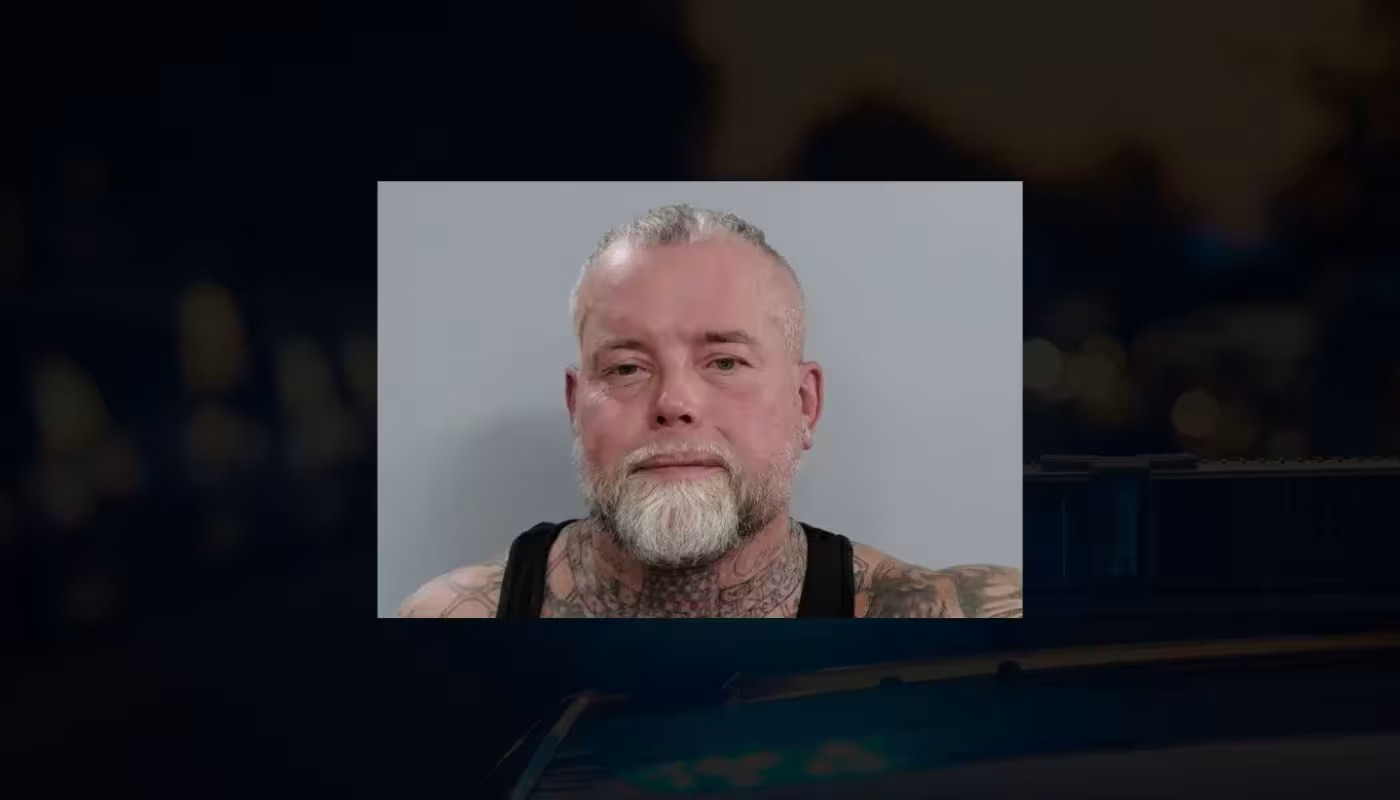
Police were called to a 7-11 in Hempfield, Pennsylvania, shortly after midnight, where a Clerk told them Stout tried to pass off an altered lottery ticket as a winner. Officers quickly found and detained Stout, who was sitting on his motorcycle in the store’s parking lot.
After a search, officers discovered scissors, a glue stick, and an unaltered lottery ticket.
Amazingly enough, he successfully passed off two other fake tickets at the same store the night before his arrest, and collected $1,209. When questioned by investigators, Stout told officers that he was out of work, desperate for cash, and that he had already spent the stolen money.
After confessing, Stout was arrested and charged with forgery, receiving stolen property, theft, and possession of an instrument of crime.
Back to the big house
To Stout’s credit, his forgery plan did work, however briefly. That’s likely because the prizes he asked for were so small that the clerks didn’t bother to look at his tickets closely.
An Illinois prison guard showed a bit more ambition, if not any greater criminal skill, and is facing even more serious charges for his attempt to collect on a bogus lottery ticket.
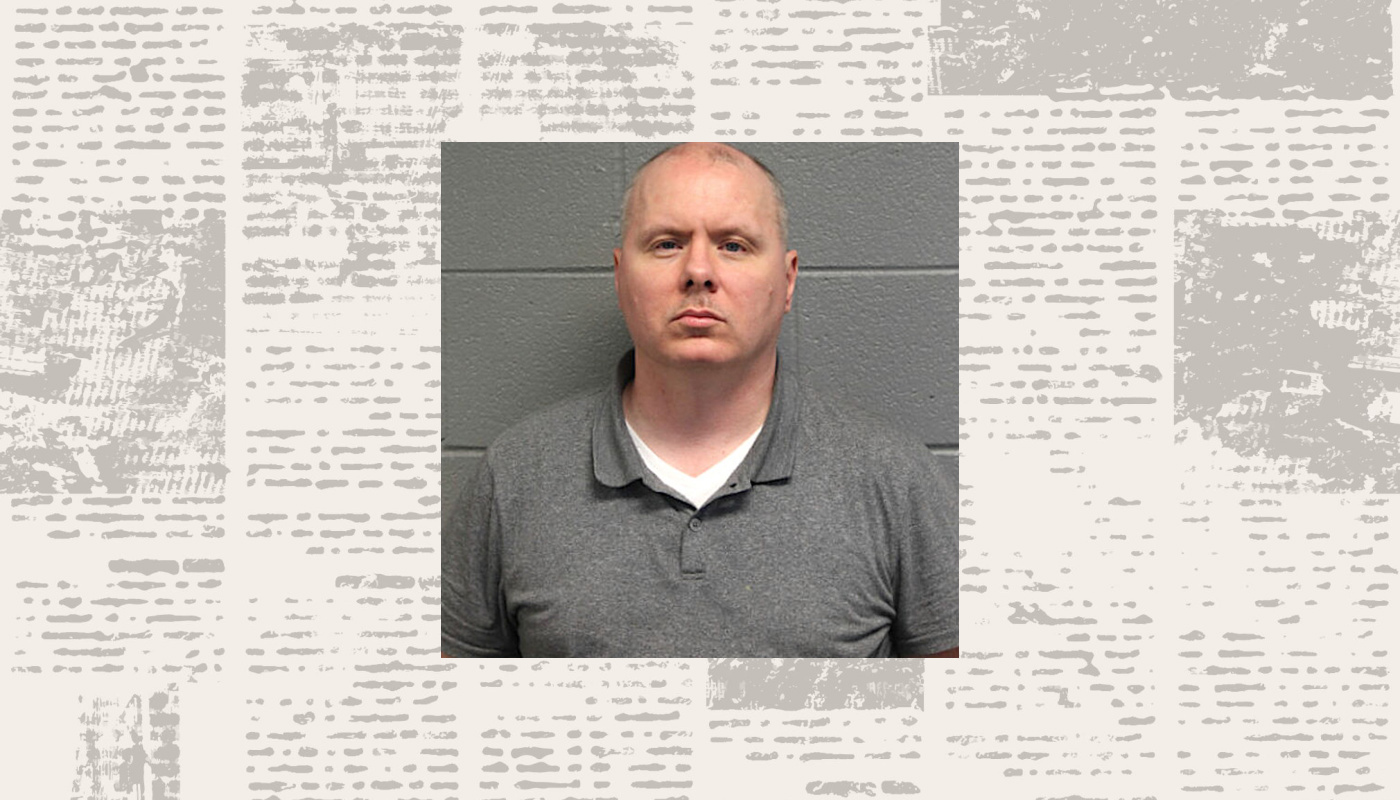
Darrell Barry was charged with forgery for attempting to cash a $20,000 lottery ticket. The clerks were not fooled, however, and they kept the ticket and called the police. Following a months-long investigation, Barry was formally charged and surrendered himself to the Illinois State Police.
He was arrested but subsequently released on $25,000 bail. There’s no word yet on whether he might become an overnight guest at one of the prisons where he once worked as a guard.
Lottery numerology predictions
Every week, we bring you the most up-to-date astrological forecasts for all signs of the zodiac.