
News writer

A lottery scam with Indiana connections is circulating, costing elderly victims thousands of dollars for a chance to claim lottery winnings in a game they never bought a ticket for.
How does the scam work?
For this scam, the victim would typically get a phone call or text message claiming they've won the lottery even if they didn't play.
From there, the caller will tell them they have to pay taxes on their winnings. However, it's not real and they are just attempting to get personal information from you or your money.
Elderly Florida woman falls victim to the scam
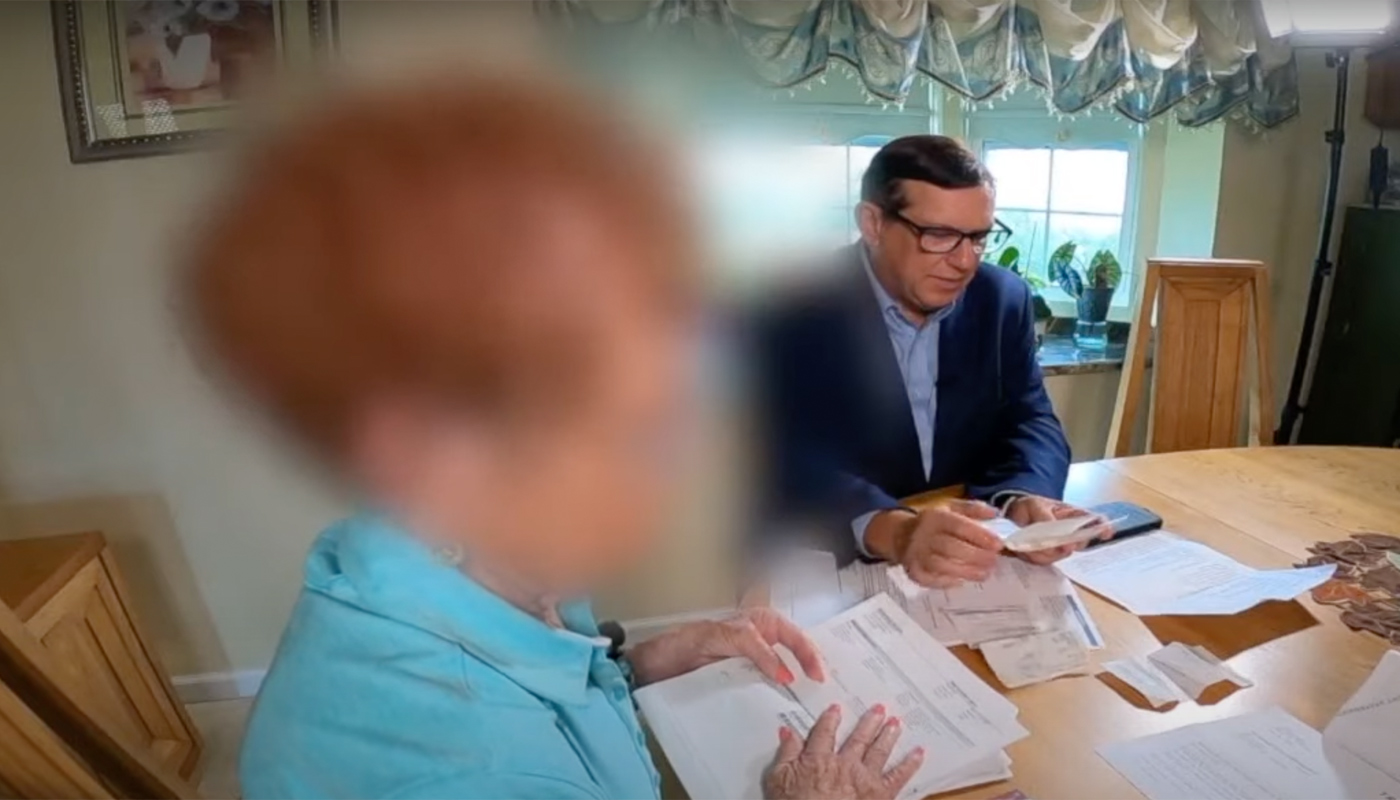
A recent victim, 82-year-old Mary from Land O'Lakes, Florida, claims she lost more than $40,000 to the scam, which involved sending money to an address in Indianapolis.
Mary told WRTV, “They took advantage of somebody that was gullible.”
According to Mary, she received a phone call from a man named Michael Baxter in Indianapolis. He told Mary he represented Mega Millions, and they were coming to her home to present her with a check.
A lottery win without even playing
Despite not playing Mega Millions, the man told her she won $8 million. He then asked her for her credit card information.
The scam took a little twist, as the man told the victim they were going to pay off her Sam's Club and Truist credit cards. Mary then confirmed with her banks that payments had been made to both her credit card accounts.
It was too good to be true, as those deposits were written with bad checks, and “about 10 or 12 days later, they reversed the payments,” Mary said.
Sending cash payments at the same time
While that was taking place with her credit cards, Mary was sending cash payments to a “Michael Baxter” in Indianapolis.
On the phone, he told her he was going to send a $12,000 payment to her card. In order to get that money, Mary had to first send him $6,000 to cover the taxes.
She went to her bank, got the money, put it in an envelope, and shipped it out to a residential area in Indianapolis from a UPS store in Land O'Lakes.
WRTV asked Mary if she thought any of this didn't make sense, and she replied, “No, because my bank didn't question me.”
Mary sent multiple shipments of cash to recipients at the same address in Indianapolis. One of those shipments was sent to a woman named “Ella,” who was the supposed bookkeeper for Michael Baxter.
Investigating the address in Indianapolis
Since Mary sent the cash payments to a residential address in Indianapolis and had the names of the supposed recipients, WRTV sent their team to investigate.
They determined an 85-year-old woman named Ella did live at the residence, but she claimed to have no knowledge of money being sent to her from a woman in Florida. Ella also said she didn't know anyone by the name of Michael Baxter and she hasn't received any packages.
WRTV was able to locate an address for a Michael Baxter in Beech Grove, Indiana, but they were told no one by that name lives there. At this time, it's unclear who intercepted the money Mary sent from Florida to this address in Indianapolis.
A possible phone call from the scammer?
While there are multiple people named Michael Baxter in the Indianapolis area, none of them had the same phone number or address that was given to Mary.
One number had a Pennsylvania area code, and WFTS reached out to them and left a message. A man with broken English called back but said he didn't know Mary. He then called back minutes later, asking to talk to Mary.
One of the other numbers used to call Mary was from outside the United States.
Where does Mary go from here?
After all has been said and done, Mary now owes almost $40,000 from the cash advances and charges. She has contacted Truist and Synchrony Bank, which issued her Sam's Club card, and neither of them would return her money.
Mary has also contacted the Florida Attorney General's Office and law enforcement in Florida and Indianapolis, but no one has been charged yet.
While she knows she will never get her money back, she wants to speak out to try and keep someone else from falling for the same scam she did.
Elder fraud on the rise
These scams targeting the elderly are nothing new and happened to increase in 2023. According to an FBI study, scams targeting people aged 60 and older caused $3.4 billion in losses last year, an increase of 11% from the year before.
In addition, elder fraud complaints to the FBI's Internet Crime Complaint Center increased by 14% in 2023. The most common types of scams targeting the elderly include tech support, government impersonation, romance, home repair, and sweepstakes/lottery scams.
In a statement to WRTV, the Hoosier Lottery said:
The Hoosier Lottery will never contact potential winners unless you have entered a second-chance drawing or a specific Hoosier Lottery promotion. We will never ask you to pay a fee to claim your winnings. If you feel you have been a victim of a lottery related-scam, please contact local law enforcement.
Enjoy playing the lottery, and please remember to play responsibly.



















Comments