

News writer
Patients are noticing a shift: routine checkups already ask about smoking and drinking, so why not gambling? As we celebrate Problem Gambling Awareness Month, health experts and a new national survey say doctors should screen for gambling to catch financial, mental, and physical harm earlier.
Essential Takeaways
- Widespread exposure: A major survey finds many people try gambling before 21, so early screening could catch risks sooner.
- Public concern: Nearly eight in 10 Americans view gambling addiction as serious as substance use, signaling readiness for medical conversations.
- Missed chances: Only a small share of patients report ever being asked about gambling by their primary care doctor, suggesting an opportunity gap.
- Health impacts: Problem gambling links not just to debt but to anxiety, insomnia, stomach aches, and even suicidal thoughts.
- Practical step: Simple screening questions in routine visits can normalize the topic and connect people to help fast.
Why screening for gambling feels overdue
The most striking thing from recent surveys is how many people have gambled at an early age and understand the risks, and yet doctors rarely ask about it. That mismatch is a great example of a missed prevention chance, and it has a very human flavor: families quietly coping with bills and stress while the medical record stays silent.
According to national research, large numbers of adults report gambling before they reach the legal drinking age, so clinicians are seeing patients whose exposure started years earlier. Adding one or two standard questions during checkups would be low-effort and could surface problems while they're easier to manage.
What the numbers show about young people and gambling
Research from the National Council on Problem Gambling indicates that gambling participation often starts in adolescence or early adulthood. Lots of young adults report playing lotteries, betting with friends, or using online platforms before they turn 21, which increases the chance of developing harmful patterns.
Public-health specialists warn that normalization in media and sports is part of the reason. For a general practitioner, that means asking about gambling isn't just about current cash worries; it's about spotting a trajectory that can affect mental and physical well-being down the line.
Health consequences beyond the bank balance
Financial strain gets headlines, but clinicians hear the quieter symptoms first: insomnia, persistent headaches, stomach problems, and rising blood pressure driven by stress. Problem gambling also correlates with anxiety, depression, and higher suicide risk.
Those are issues primary care teams already manage when they screen for alcohol or drug use, so it's logical to include gambling alongside these questions. Brief screening tools can be administered in minutes and flag patients who may benefit from targeted behavioural health support.
How screening could work in a busy surgery
Doctors don't need to transform a 10‑minute appointment into a counselling session. A few validated, single‑question screens can flag risk, much as clinicians ask about smoking or hazardous drinking.
The next step is a short conversation and a referral pathway to counseling or specialist services when needed. Training and clear local referral routes make all the difference. Clinicians say they're more likely to ask if they know where to send patients for help. Rolling this into existing lifestyle questionnaires would be the simplest route.
What this change would mean for patients and families
Normalizing gambling questions at your family doctor could remove shame and make it easier for people to get help early, and families may spot issues sooner when professionals prompt the conversation.
Public support seems to be there. Surveys show most people think gambling addiction is as serious as other addictions, so the cultural hurdle may be smaller than doctors fear. If primary care teams adopt routine screening, it's a step toward integrating gambling into wider mental‑health and prevention strategies.
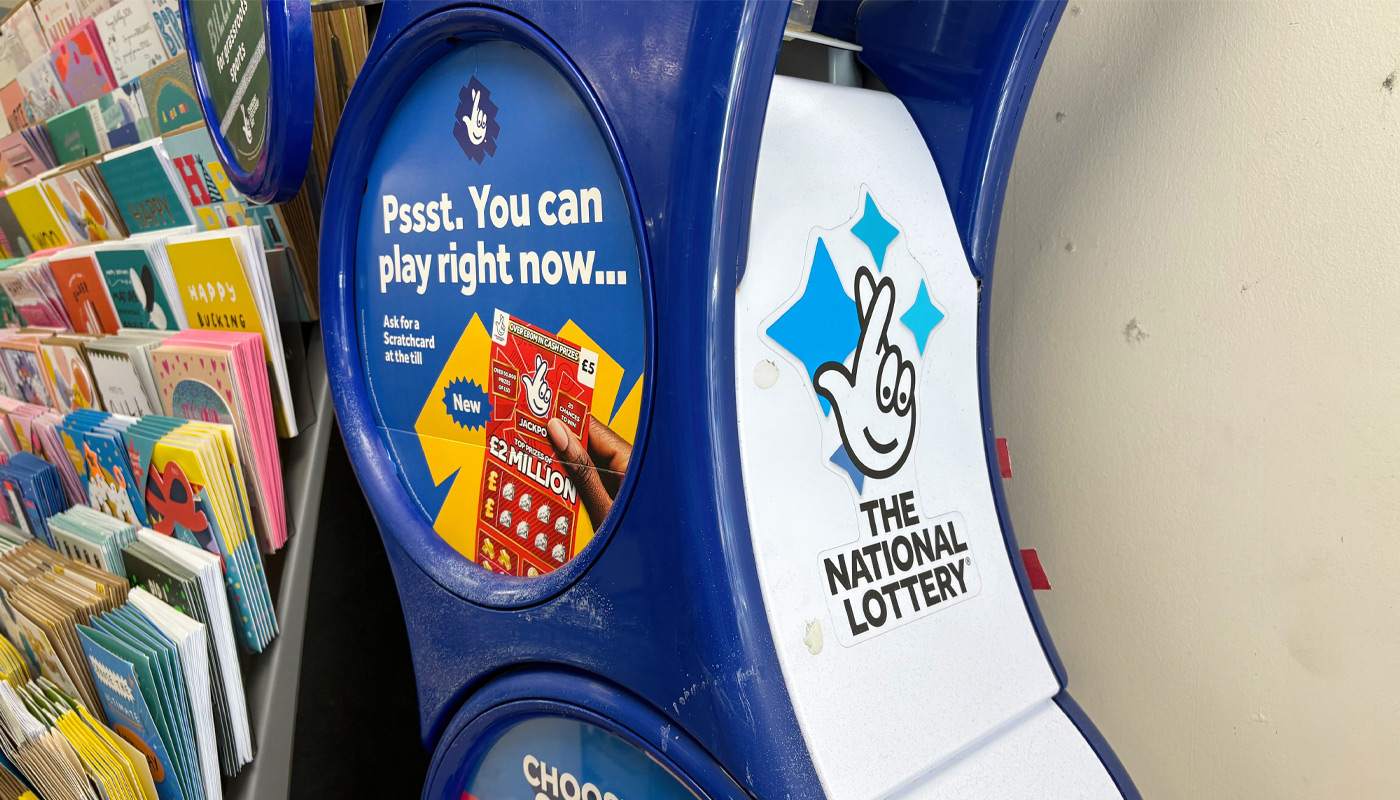
It's a small change in practice that could make a big difference to people's lives. Enjoy playing the lottery, and please remember to play responsibly.







Comments