
News writer

A lottery scam involves a fraudster attempting to convince someone to give them money or personal information to have access to a supposed lottery win. However, once the victim has provided the funds or info, the scammer vanishes into thin air. The scammer's goal is to make money from unsuspecting victims either by receiving money from them directly or by using their banking information.
Unfortunately, lottery scams are becoming increasingly prevalent in the United States. In 2023, more than 157,000 reports of lottery and sweepstake-related fraud were made to the Federal Trade Commission (FTC). Altogether, the victims of these scams lost $255 million.
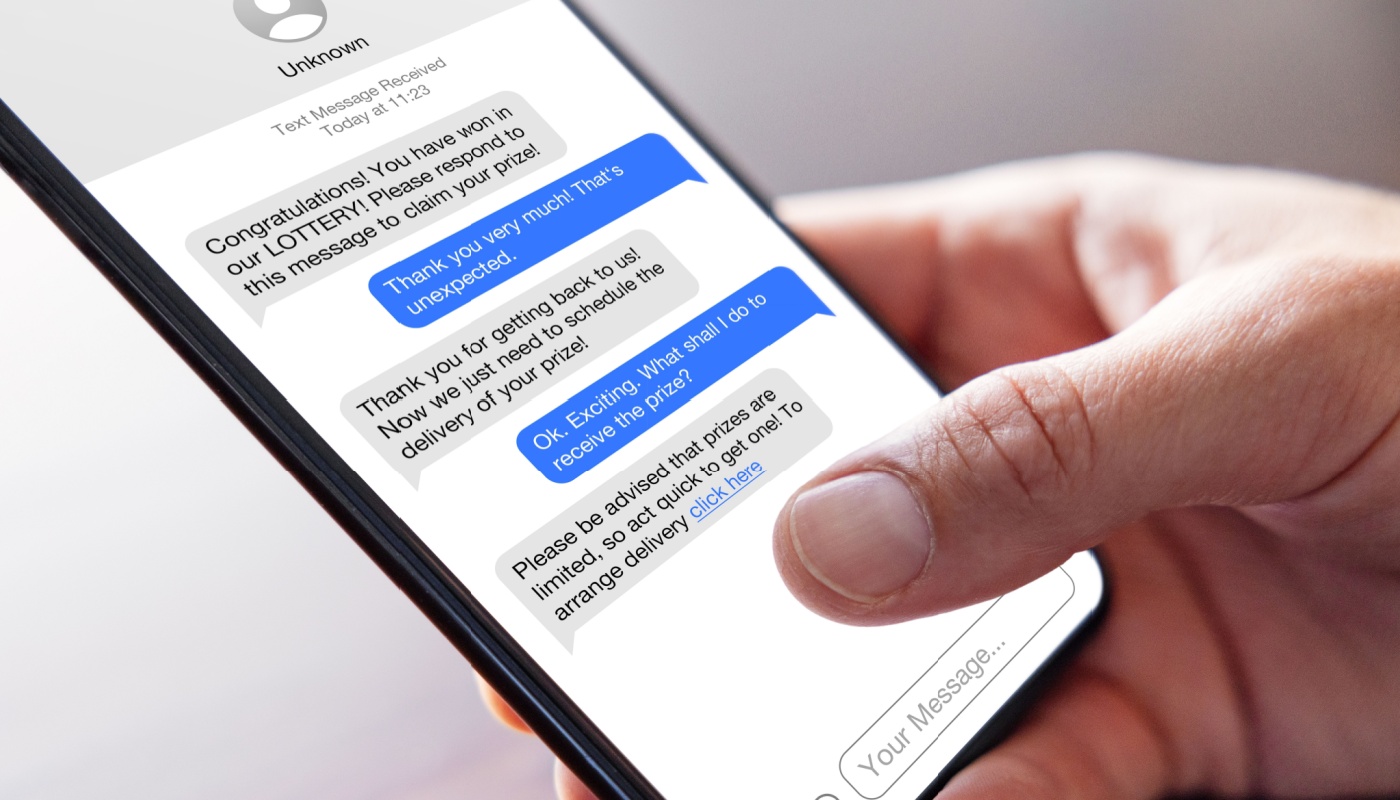
Lottery scams can land in your email box or social media feed; you may even get a phone call or text message. They tell you that you've won a large amount of money. Often, the message may look like it's from a legitimate source, or the caller may sound convincing. However, there's always a catch: you are asked to do something, such as pay a fee, to get your “prize.” Read on to find out how to avoid falling victim to a lottery scam.
- Don't pay for your prize: Scammers typically ask for an amount of money upfront before you can receive your winnings. They may tell you it's for taxes or shipping and handling fees. No legitimate lottery organization will ever require upfront payments.
- Don't give out your personal information: Sometimes a scammer may tell you they need “information,” such as your bank account number, so they can deposit your prize money. Alternatively, they may send you a text or email containing links that will install malware on your computer to give them access to your personal information.
- Look for other warning signs: There are other red flags for lottery scams, such as:
- You receive a call or message saying you have won a lottery prize, but you don't remember entering the lottery.
- You receive a call or message saying you won a lottery in another country.
- A person claiming to work for the federal government calls to tell you that you won a lottery.
- The email or text message does not include your name, it contains misspelled words, or it is written in poor English.
- You are pressured to act immediately.
- The scammer claims to be a previous lottery winner sharing their money.
- You are told to keep your “prize” confidential.
- Get rid of the scammer: If you receive a text or email that you think is a lottery scam, don't download any attachments or click on any links. If a lottery scammer contacts you by phone, hang up immediately, then report the scam.
- Warn your elderly lottery lovers: Bear in mind that lottery scammers are experts. They like to target vulnerable groups, such as seniors, and they can be very convincing. If you have elderly loved ones who enjoy playing the lottery, warn them about lottery scams so that they can protect themselves.
- Play the lottery safely online: Millions of people play the lottery online every day. It's a free and convenient way to purchase tickets, especially if you are participating in multiple games. If you do want to play online, make sure that you use a reputable website or app that offers only known lottery games.
Remember, scammers try to look and sound official. They will often make up names to make themselves sound more convincing, such as The American Lottery Association. Never respond to a lottery scammer. You can report lottery fraud and scams to the Federal Trade Commission (FTC) or call 877-FTC-Help.












Comments