
News writer

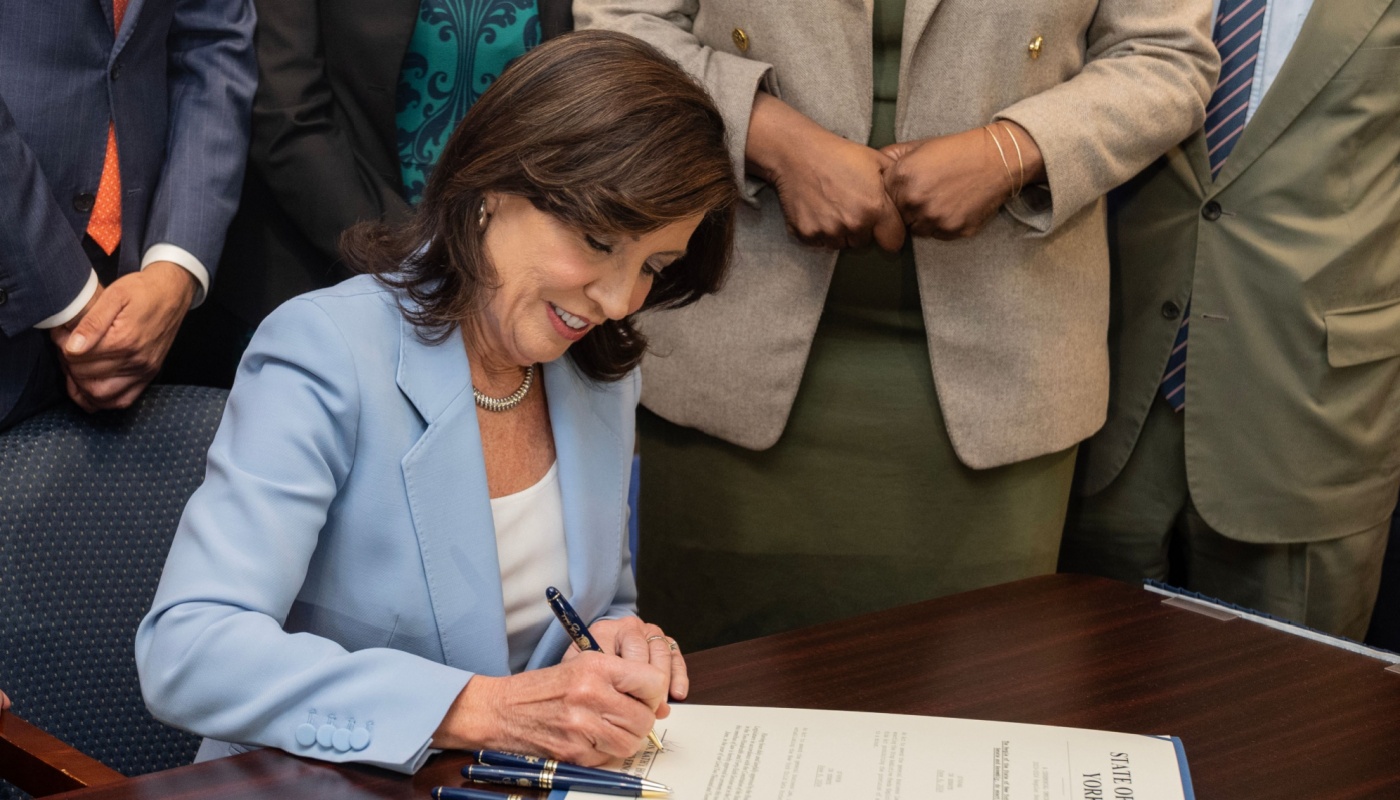
A growing number of states are putting an end to online sweepstakes casinos. This could be setting the stage for what could be a major shift in how Americans play. New York is the latest state on the verge of enacting a full ban after lawmakers sent the bill to the Governor's desk for her signature. If she signs it, the bill becomes law, officially shutting down sweepstakes-style gaming statewide.
Sweepstakes face a wave of bans
This latest move in New York follows a disastrous legislative year for the sweeps industry. Since the summer, we have seen California, New Jersey, Nevada, Connecticut, and Montana all pass similar bans.
This crackdown on sweeps seems to target dual-currency online sweepstakes that offer casino-style games, including bingo, poker, slots, table games, and even lottery-like digital draws.
Now that these options seem to be disappearing across the country, a new question arises: Could state lotteries be the unexpected winners in this reshuffling of the gaming landscape?
How could state lotteries benefit from these bans?
State lotteries are competing with dozens of entertainment and gaming options out there. This can be anything from traditional casinos to sports betting apps to the growing universe of online social gaming.
These sweepstakes casinos are often marketed as “free-to-play” or “alternative” gaming platforms. They have eaten into the same player base as state lotteries by offering flashy, always-on gameplay without the regulatory oversight that state lotteries face.
Now that more and more of these platforms are being banned, players who may have spent hours (and dollars) on sweeps may find themselves returning to the more traditional options out there.
With that being said, state lotteries could see:
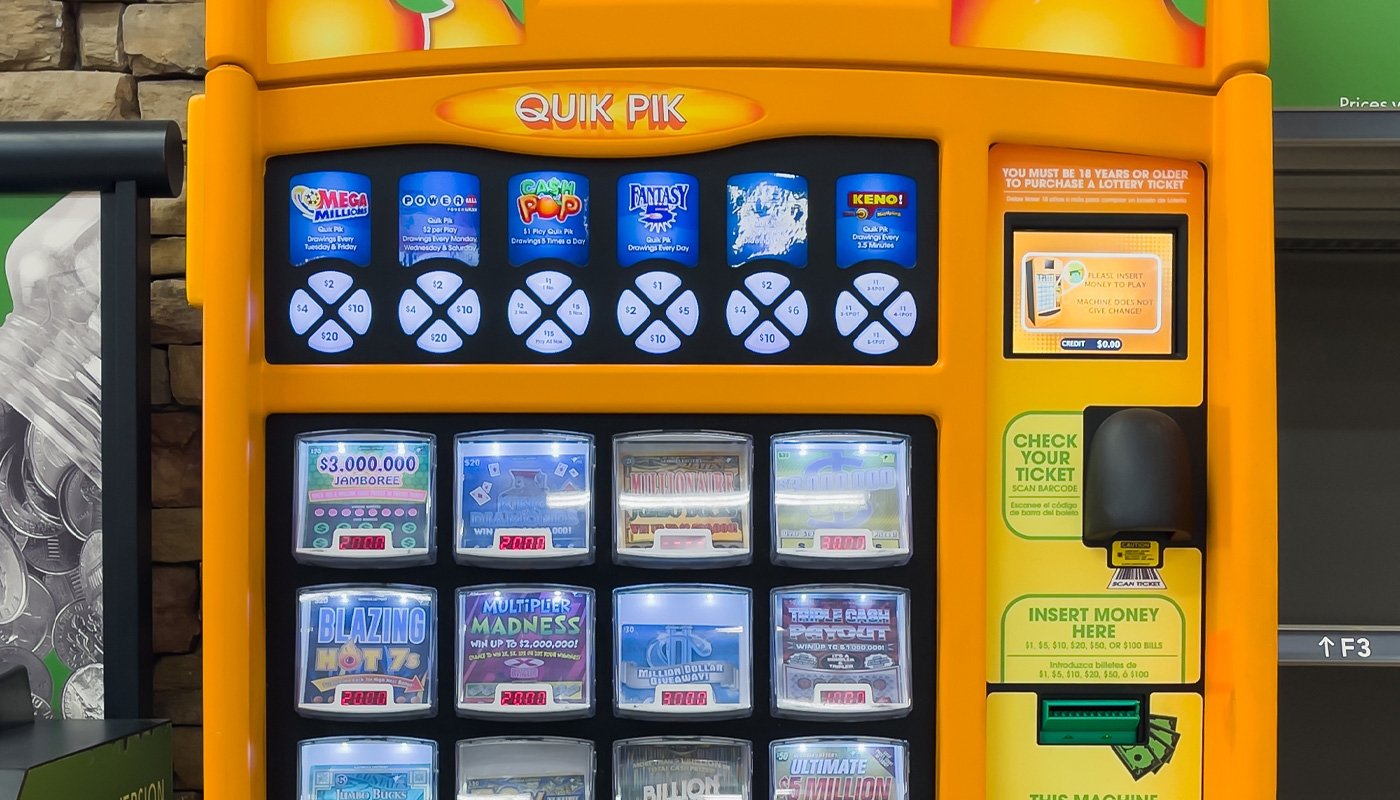
- More foot traffic at lottery retailers as players swap those digital spins for scratchers or draw tickets.
- Bigger jackpot rollovers if we start to see more players trying their luck at state and multi-state jackpot games like Powerball or Mega Millions.
- Greater visibility as lotteries regain some ground in a crowded market.
Some state lottery officials have privately noted that sweeps were siphoning money away from traditional gaming dollars. By removing that competition, it could rebalance the market in their favor.
The economic stakes are high
While the bans seem like a logical choice, not everyone supports them. The Social Gaming Leadership Alliance (SGLA) argues that lawmakers misunderstand how the sweeps model works.
According to a study by the SGLA, they estimated that New York alone generated $762 million in sweepstakes sales in 2024. This produced $251.7 million in net revenue and $230 million in economic impacts.
The SGLA states regulation, not prohibition, would be the right thing to do. They project $100 million in potential yearly tax revenue if these states choose to oversee the industry rather than get rid of it.
However, New York lawmakers seem to be unconvinced. Compared with the state's online sports betting tax haul, which was $1.05 billion in the first 10 months of 2025, the economic case for sweeps didn't sway the lawmakers.
Could we now start to see bigger jackpots?
With these sweeps players possibly migrating over to lottery games, the state lotteries could see healthier revenue streams and even faster-growing jackpots heading into 2026. Lottery officials will be watching this closely, especially as more states consider similar bans in the next legislative session.
For now, the spotlight is on New York and Gov. Hochul. If the bill becomes law, it could kick off a new era of gaming priorities in one of the country's biggest lottery markets. Whether that shift leads to bigger prizes and more winners will be the story to watch in the upcoming months.
Enjoy playing the New York Lottery, and please remember to play responsibly.





Comments