News writer, Interviewer

The numbers tell a compelling story. Five consecutive years as the nation's top revenue-generating lottery. A jump from $7.5 billion to over $9 billion in total revenue. Operating costs of just 1% while most companies exist at 10-20%.
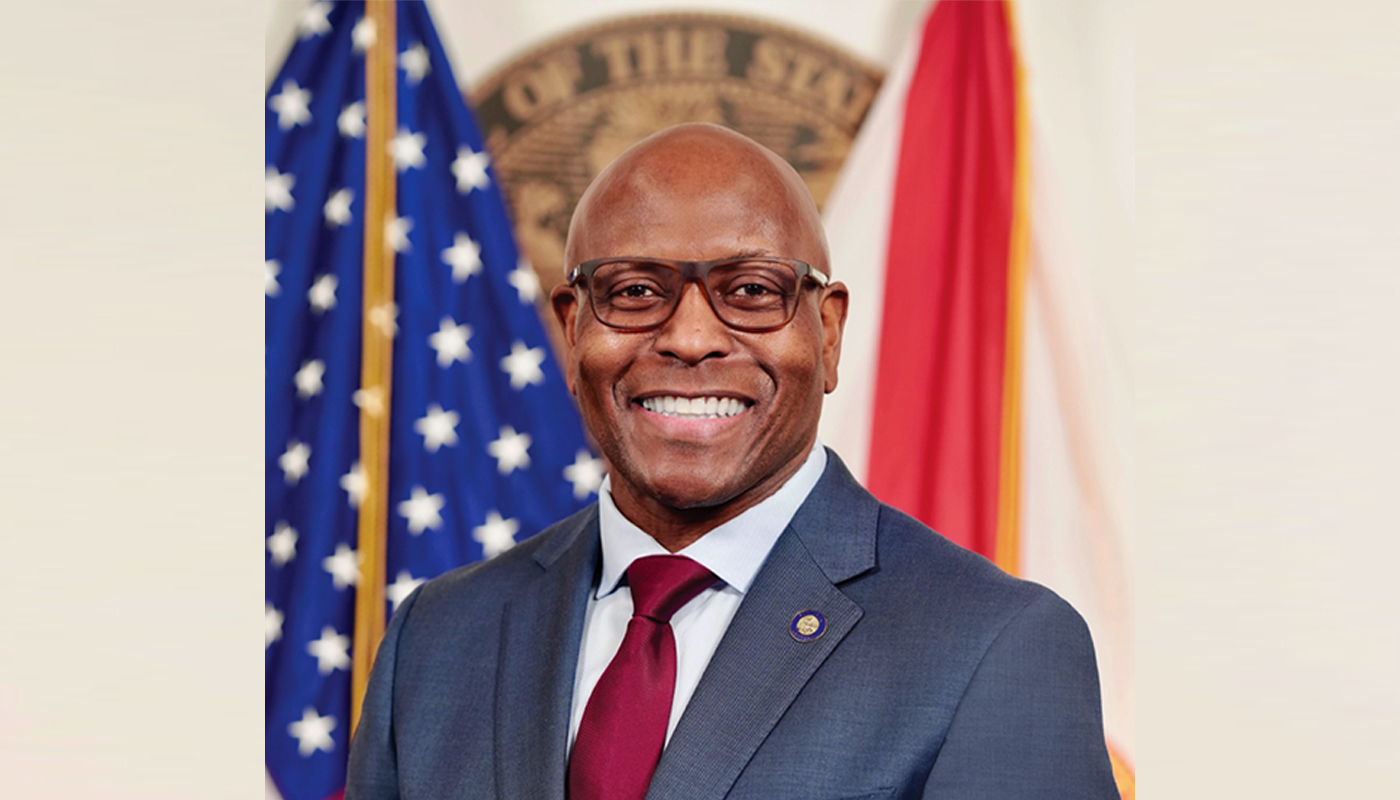
How does Florida do it? In an exclusive interview with Lottery USA, the Florida Lottery Secretary John F. Davis shares the answers.
Appointed by Governor Ron DeSantis in October 2020, Davis brought something different to the table. He wasn't a career lottery executive. His background spans medical device sales, chamber of commerce leadership, and political strategy. This unusual mix turned out to be exactly what Florida needed.
What makes a lottery secretary successful?
Davis credits three core elements: business acumen, political savvy, and government experience. Davis explains:
The governor wanted someone who had spent time in the private sector. The lottery was created by the Florida legislature to serve as a business enterprise. It is a business.
That private sector thinking shows in the results. Davis learned precision and purpose from his chamber of commerce days. He understands how to align people toward a mission. And he knows that human capital matters more than spreadsheets.
The political background helps too. Davis works with long-serving lottery employees who know the system inside out. He navigates relationships with legislators. He meets weekly with the governor's office to discuss strategy and needs.
How did the Florida Lottery thrive during COVID?
Most organizations just tried to survive the pandemic. The Florida Lottery set revenue records.
Davis calls it the biggest challenge of his career. He started in October 2020, right before things escalated in early 2021. His focus stayed clear: safety first, then stability, then morale.
"We were able to rise to that challenge," Davis recalls. The lottery ranked number one in the country for revenue during that period. The Florida Lottery also placed in the top four for efficiency.
The pandemic forced innovation. Teams learned to communicate differently. Technology became essential. The crisis revealed what worked and what needed to change.
Population growth helped. Florida jumped from the fourth-largest state to the third-largest. More residents meant more players. But Davis credits the team for capitalizing on that growth with the right product mix.
At any given time, the Florida Lottery runs 70 to 80 games. The team researches what players want. They work with vendors. They stay on the cutting edge. Davis states:
I have the best team in the entire country. As I travel and meet with colleagues, they're often asking what we're doing in Florida that they can do.
An education cornerstone
Most Floridians know about the Bright Futures Scholarship Program. The merit-based scholarship program started in 1997, and the Florida Lottery serves as the primary funder.
But the money reaches further than scholarships.
Every dollar goes to the Education Enhancement Trust Fund. The governor and legislature decide how to spend it. K-12 schools get support. So do colleges, universities, and vocational schools.
Infrastructure needs funding. Teacher salaries need to increase. School bonds need backing. The lottery generates revenue for all of it.
Davis stays focused on his primary job: generating that revenue through gaming. Policy decisions belong to elected officials. But as a voter, he can make recommendations to his representatives.
"From the perspective of the process, we leave it up to the policymakers," Davis explains. The lottery concentrates on Bright Futures input but defers to officials on other educational priorities.
Recent press coverage highlighted Davis visiting Miami-Dade County schools alongside Florida's Education Commissioner. These visits demonstrate the lottery's tangible impact on Florida students and families.
Stand-out achievements
As recorded by LaFleur's World Lottery Almanac, the Florida Lottery is excelling. Five years of ranking first nationally for revenue. Record efficiency as the second most efficient lottery in the country. Operating costs at 1%.
But Davis points to something else first: human capital. He emphasizes:
The other thing, even more important than that, is we've been able to focus on what I call human capital. Any business's success depends on taking care of the people responsible for creating that success.
The team pushed through legislative changes they had attempted for years. These weren't just symbolic gestures. Real improvements happened for lottery employees.
"We're showing it through our actions," Davis says. "We're showing it through the legislation we've been able to get passed."
Success metrics matter. But people matter more. Davis learned that lesson during his private sector days. He brought that philosophy to a government agency running as a business enterprise.
The results speak for themselves. Revenue keeps climbing. Efficiency stays high. And the team stays motivated.
Where is the Florida Lottery headed?
Davis calls it the "2030 plan." The strategy borrows its thinking from the private sector: understand global, national, and local trends. Know your market. Anticipate what comes next.
"Ten years from now, the Florida Lottery will remain a national model for innovation, integrity, and purpose," Davis predicts.
Digital expansion tops the list. A lottery traditionally meant paper tickets. But younger players want different options. Some potential customers won't walk into a retailer. They'd rather use their phones.
"I do see this space becoming a digitalized way to engage with our players," Davis explains. The process requires working with the legislature and the governor's office. But the overall digital space represents the greatest possibility of exponential growth in the future.
Educational partnerships will deepen. The focus will shift from just record sales to record impact. How do scholarships change lives? How does infrastructure investment help communities? These questions drive the next phase.
Integrity remains non-negotiable. Davis and his family can't play lottery games. Neither can anyone in their household or immediate family. No lottery employee can play.
"That is so important for the integrity of the game and the confidence of our players," Davis stresses.
The Play Responsibly Initiative gets equal marketing weight with game promotions. Players should use discretionary funds only. Social media, commercials, and every platform carry that message.
A formula for success
The Florida Lottery didn't stumble into success. The formula combines several elements.
Leadership matters. Davis brought an outside perspective to a government agency. His private sector experience taught him efficiency. His political background opened doors. His government knowledge helped navigate bureaucracy.
Team investment matters. Taking care of employees creates motivated workers. Motivated workers drive results. Results fund education. Education changes lives.
Support matters. Weekly meetings with the governor's office aren't pro forma check-ins. They're strategy sessions. The legislature provides resources instead of obstacles. Officials understand the lottery's mission and support it.
Innovation matters. Seventy to eighty games are in circulation at any time. Constant research on player preferences. Willingness to explore digital platforms. Staying on the cutting edge instead of following trends.
But integrity might matter most.
"Whether I'm here or not, we're going to put the infrastructure in place," Davis promises. Success shouldn't depend on one person. Systems outlast individuals.
Florida's growth created opportunity. The pandemic forced adaptation. But the lottery's consistent performance comes from deliberate choices.
Five years. Five first-place finishes. Billions flowing to education. Operating costs at 1%.
That's not luck. That's a winning formula.










Comments