
News writer

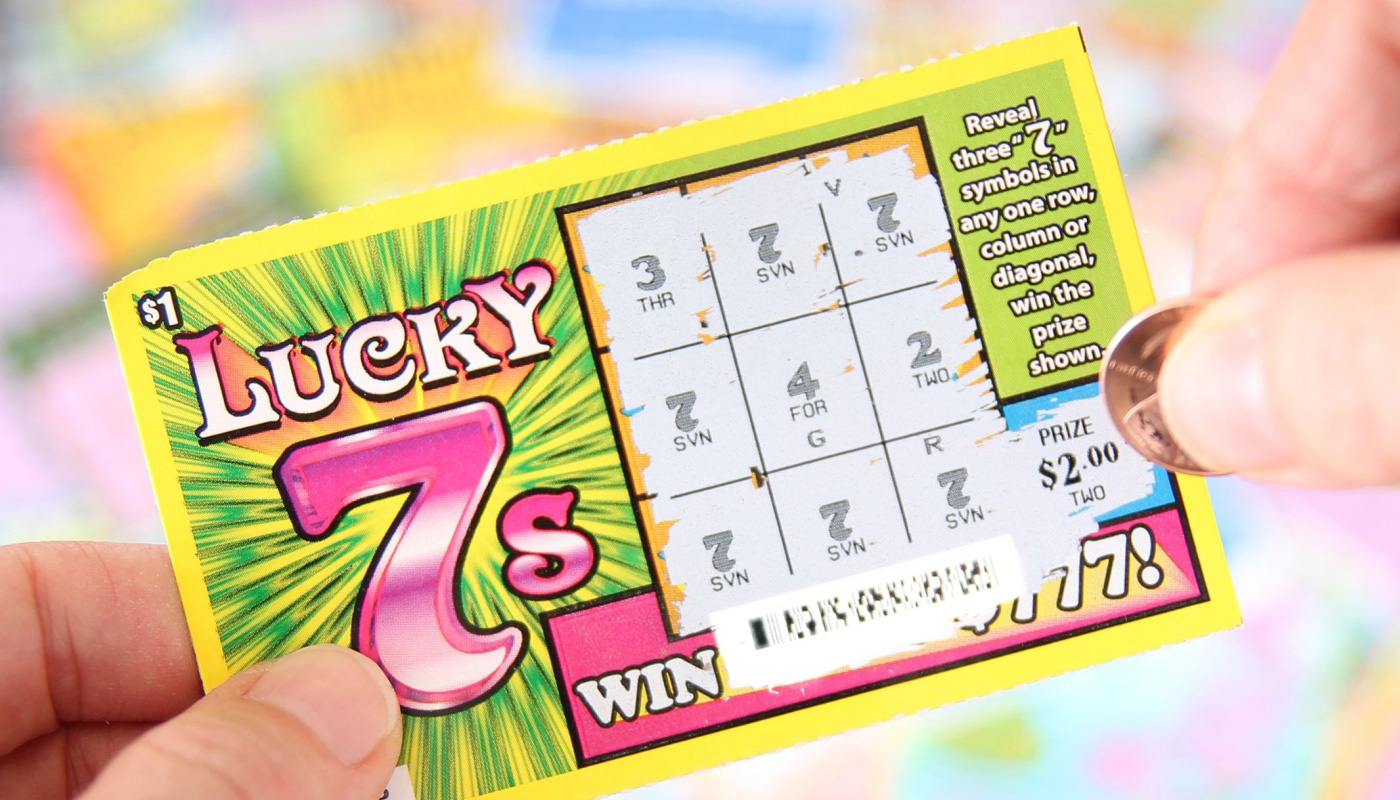
Small lottery winnings, such as $50 or $100, don't seem like much to celebrate at first. However, these small wins can have a big impact on our actions. They actually have a psychological impact on us that large jackpots don't.
While these wins don't do much for our bank accounts, they do give us just enough excitement that it keeps us coming back. We are now motivated by hope and a surge in our dopamine.
These frequent, small wins are one of the aspects that drive the appeal of the lottery. They help to encourage recurring play, far more than placing your hopes on big jackpots.
You can understand this feeling if you have ever bought a scratch-off ticket and won enough to buy one or two more tickets. While the win isn't enough to retire on, it is thrilling and affirming. It makes you think that luck may finally be on your side. Lotteries thrive on these little hooks, where the thought of a big win eventually leads to more spending due to the perception of progress.
The dopamine drop: Why do small wins feel so rewarding?
Our brain's reward center is activated by even small victories. "Those little, unpredictable rewards … give you a little burst of dopamine every time you get one," officials say, claiming that lottery systems are "designed to take advantage of the biases and heuristics that we have." Behavior is reinforced by dopamine; if you give us just enough, we'll keep coming back for more.
The sensation that gamblers get when they hit a slot machine or a roulette number is chemically identical to that surge. Additionally, the lottery, like casino games, benefits greatly from varied reinforcement schedules or the unpredictable nature of winnings.
Even a minor victory feels very potent since it breaks a lengthy losing streak.
The dichotomy is clear: $50 in psychological currency feels enormous, but $50 in real money is not a life-altering amount. It is the distinction between the brain's "logic" and "emotion," and emotion typically prevails while playing the lottery.
The near-miss effect: Almost feeling like a winner
"Near misses," or outcomes that are eerily close, like matching three out of six numbers, for example, frequently go hand in hand with little victories. The same neural reaction is elicited by these results as by real victories.
There is ample evidence of the near-miss effect. Brain scans revealed that near-misses stimulated reward-related brain regions nearly as powerfully as genuine wins in one study that was published in Neuron.
This system once encouraged perseverance in hunting or problem-solving, according to evolutionary theory. In the context of the lottery today, it encourages participants to purchase additional tickets.
Consider how frequently lottery commercials feature winners who exclaim, "I only purchased one ticket!" or "I matched four out of five numbers!" The message is subtly strong: don't stop now because you're closer than you realize.
Cognitive biases: Hoping, forgetting, playing
Lotteries take advantage of the fact that our brains are not perfect at calculating probability. Little victories hone these shortcomings:
- Availability bias: This makes the odds appear greater than they actually are, since we rarely hear about the millions of losers while we see jackpot winners in the news. The story of your friend boasting about winning $100 is more memorable to you than the numerous occasions they left without winning anything.
- Gambler's fallacy and illusion of control: We may think we're "due" or that our "lucky numbers" will win because a minor victory or near-miss can seem like progress. Emotionally, we believe the next draw might be the one, even though we know rationally that the lottery has no memory.
- Selective memory: Gamblers often forget their losses and recall their victories. The little wins stay in your memory while losses fade, even if you earned $100 once and lost $1,000 over several months.
Practically speaking, these biases make minor victories extremely "sticky." Even when the numbers don't support it, they keep us grounded in the belief that greater victories are possible.
Emotional leverage: Hope, escape, and entertainment
Playing the lottery is about the dream, not just the money. A minor victory turns that dream into a possibility rather than a daydream.
These victories happen to be more about validation than they are about the money for most gamblers. This is a sign that luck exists, and they were lucky, even if it was for a short amount of time.
There is that concept of escape. Some just want to get away. If they win $50, that money could be used for a week's worth of food, gas, or maybe a night out on the town. Adding up the net losses may be outweighed by the emotional relief that comes with that small reprieve.
When the advantage of a win is shown in terms of social or emotional fulfillment rather than a monetary value, psychologists call this “utility beyond value.”
There is also the entertainment aspect. We are excited about the “what if?” moment. What if I were to win the top prize? What if I were to win the $1B Powerball jackpot?
This is what draws people to buy tickets. In simple terms, a small win increases the entertainment value and encourages people to play more.
With this thinking, it is like mobile games or subscribing to a streaming service. We make a small payment, have a little excitement, and then we pay to do it all over again.
Addiction potential: Why small wins can be dangerous
This can all start as harmless fun. However, it can turn into troublesome conduct. These small wins are dangerous because they make us think that, with enough perseverance, we could win even more.
According to researchers, this is referred to as “losses disguised as wins.” While we technically had a $50 win, that win came after spending $200. However, to the person, it still feels like a win.
This is why scratch-offs are more addictive than lottery tickets. Players are kept in this vicious cycle of frequent, lesser prizes. This cycle can eventually take all of your savings and lead to money concerns, especially for more susceptible players.
Lottery games are good at tricking you into thinking you are winning, even when you are hitting smaller prizes. In the end, you're losing out on money.
For example, if you spend $10 a week for 20 years, then you are spending about $10,000. If your small wins add up to $3,000, then you are out $7,000. However, your brain migiht think you won because of those small wins along the way.
Socioeconomic realities: Small wins target hope
The distribution of lottery play is not uniform. People in lower-income levels spend a larger percentage of their income on tickets, according to numerous studies.
Small victories can feel like lifelines to them, a means of paying bills, spoiling the family, or temporarily relieving financial strain. Even when the odds are stacked against them, these little breaks keep players interested.
Lotteries are frequently confused with avenues for achieving wealth, while in reality, they should be seen as entertainment. Small victories are more likely to be pursued by those who can least afford to lose since they feel like they're "making progress."
Real-Life stories: When small wins fuel big habits
Think of the innumerable stories of athletes who are "always lucky" but never win big. They feel like winners all the time, winning $20 here and $50 there.
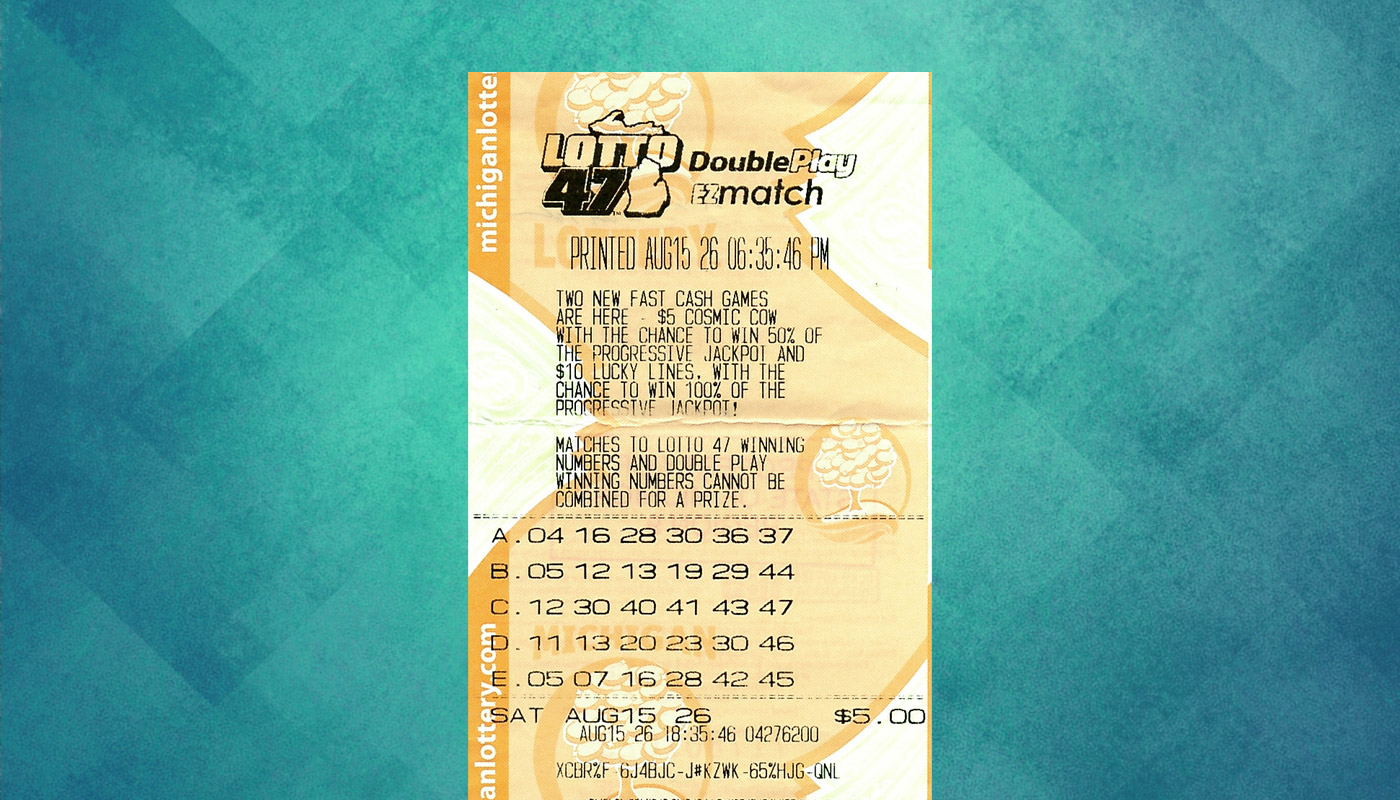
One Michigan Lottery player once acknowledged that he had a "lottery stash" in the glove compartment of his car, which he paid for entirely out of scratch-off winnings. He calculated that he had "broken even" over the years, but in actuality, he was thousands behind. He was unable to see the wider picture because of the illusion of consistent little victories.
Or consider the Florida woman who allegedly won $500 on scratch-offs three times in a single year. She felt she had a "special knack" when her victories reached the local headlines. Believing she was destined for a jackpot, she continued to spend thousands of dollars searching for the next big win. She didn't win again.
These tales highlight the paradoxical nature of minor victories: while they might produce thrilling moments, they frequently encourage prolonged overplay.
The path to safer play
If awareness creates armor, psychology spreads hooks. The first step to playing more healthily is realizing the trap of little victories. A Few useful tactics are:
- Reframe small wins: Consider them entertainment value rather than monetary gain. It's like getting free popcorn with your movie ticket when you win $50. Although it's enjoyable, it doesn't alter your life.
- Set limits: Establish your spending limit for each week or month in advance and follow it.
- Prize-linked savings accounts (PLSAs): Lottery-style drawings are a feature of some savings plans offered by banks and credit unions. It's a healthy method to satisfy your cravings because you can earn little prizes without ever losing your principal.
- Track your spending: The whole cost of "chasing" little victories can be brought to light with the use of apps and budgeting tools. It can serve as a reality check to see the numbers in black and white.
Small wins, big lessons
Even modest lottery winnings are much more than spare cash. They are dopamine-boosting psychological levers, reminders of "almost," and half-realized dreams.
They continue to chase tickets. They are more frequent and powerful than jackpots in the game of emotions.
Being aware of this dynamic enables us to play more deliberately or to stop playing altogether when necessary. Enjoy your modest prize the next time, but don't treat it like an investment; instead, treat it like movie popcorn. The only prize worth pursuing may be the one you create outside of the lottery booth.
Enjoy playing the lottery, and please remember to play responsibly.








Comments