
News writer

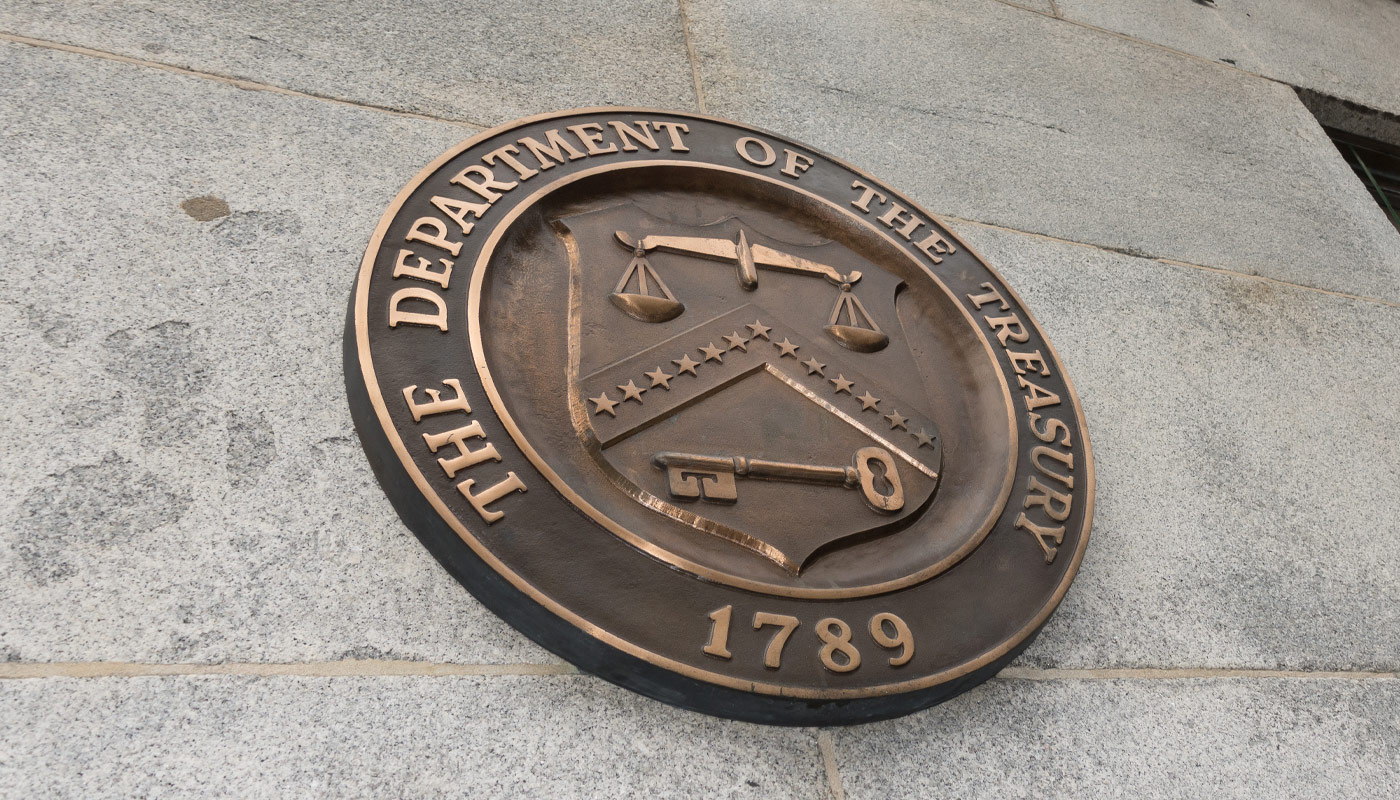
U.S. Treasury officials have issued a new warning that is putting lottery play back into the spotlight. It's brought up a familiar debate regarding how Americans spend their money and why. U.S. Treasury Secretary Scott Bessent is urging Americans, especially younger workers, to rethink their habits. He says we shouldn't be prioritizing short-term gains over long-term financial stability.
Bessent pointed to habits like buying lottery tickets, taking on short-term debt, and chasing volatile investments as potential roadblocks to building wealth for your future. In the end, Bessent is saying that consistency beats chance. Even if you are making small, regular contributions to savings or investment accounts, those small contributions can grow significantly over time. He added that being more strict with your habits early on can have a bigger impact than relying on unpredictable outcomes.
Lottery players push back
This is the type of advice that typically aligns with traditional financial planning. However, we have seen players pushing back and saying this type of thinking doesn't reflect the everyday realities of life.
When it comes to lottery players, they aren't looking at their lottery tickets as a financial strategy. Instead, these tickets are just a small, affordable way of being entertained. It gives the player a brief escape and allows them to think of all the possibilities they would gain with a big win.
For lottery players, a few dollars spent on a scratch-off ticket or draw game could be put in the same category as spending a few dollars on a cup of coffee from Starbucks or your monthly subscription to Netflix.
That distinction matters, especially when we are seeing many households dealing with the rising costs for essentials like groceries, housing, and energy. Critics of this thinking argue that focusing on lottery spending can oversimplify a much bigger financial picture.
A growing disconnect
These comments by Bessent also seem to highlight a growing disconnect that is happening. This disconnect is between the financial advice being given and actual consumer behavior.
Financial experts are consistently promoting long-term investing. However, many Americans continue to favor those options that bring immediate results.
It's not that these people don't understand math. However, it often comes down to psychology. There is an appeal to getting an instant win or a life-changing jackpot win compared to the slower, less visible rewards of investing your money.
Meanwhile, some players state that the choice isn't either-or. Many people can balance playing the lottery while also saving and investing. However, they view them as two separate parts of their financial lives and not competing priorities.
Bigger questions about money
This debate comes at a time when bigger economic pressures are shaping how people think about money. Inflation, wage growth, and the rising cost of living have all played a part in Americans having tighter budgets.
While improving financial literacy is important, some policy analysts say it's not sufficient on its own. There are also structural challenges, like access to resources and affordability, that play a part in financial outcomes.
The U.S. economy is adding another layer to consider. This country continues to carry record levels of national debt, and long-term fiscal challenges could influence everything from taxes to public spending in the years to come.
What does this mean for players?
For lottery players, this renewed scrutiny may not change their behavior overnight. However, it does bring in another voice to this ongoing conversation about risk, reward, and financial priorities.
As we see officials try to push for a shift toward savings and investing, many players will continue to see lottery tickets as they have been: as a small purchase that happens to have a big dream attached to it.
Enjoy playing the lottery, and please remember to play responsibly.
Lottery numerology predictions
Every week we bring you the most up-to-date astrological forecasts for all signs of the zodiac.