
News writer

When a child is abducted, every second counts.
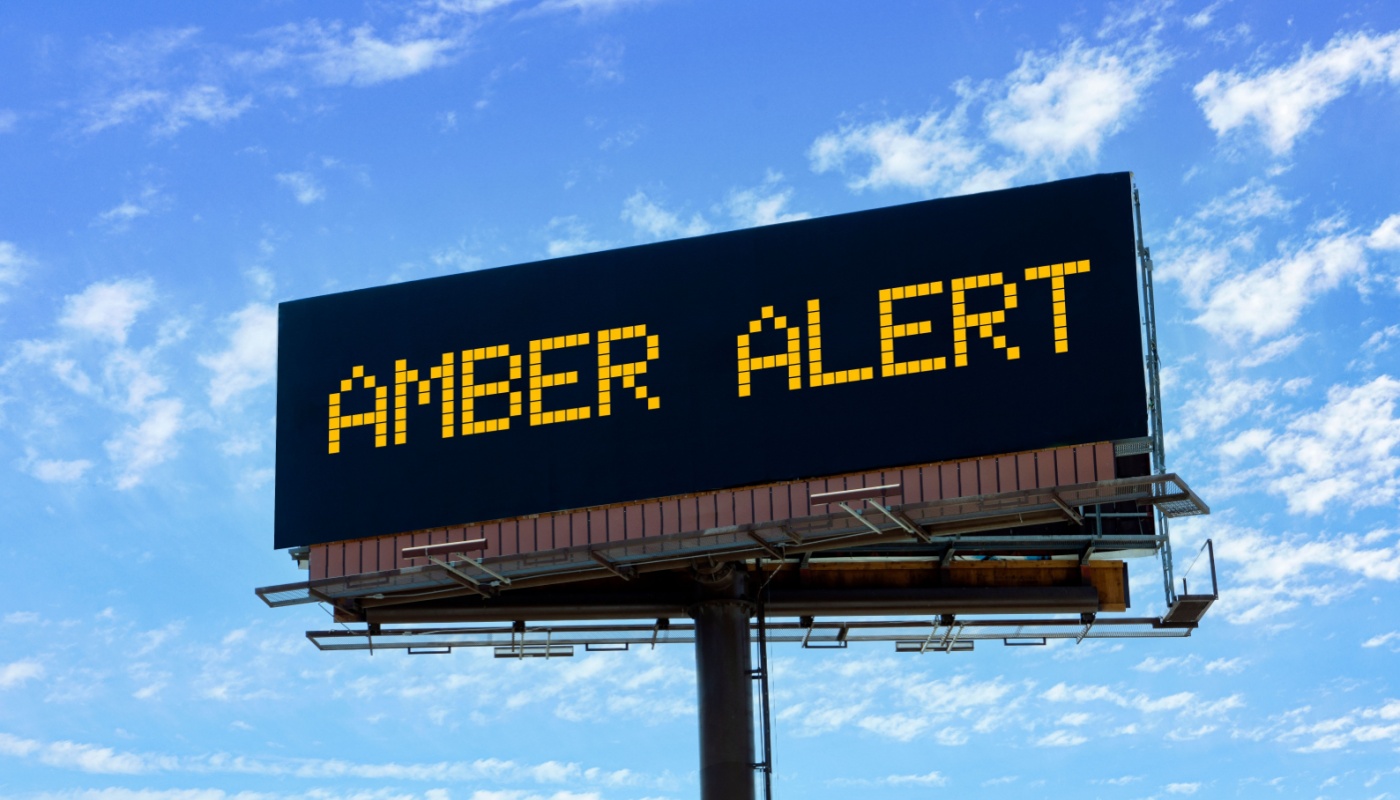
Since the mid-1990s, law enforcement has depended on the AMBER Alert system to cast a wide net and notify as many citizens as possible when a child is in danger in their area - whether through text blasts, billboards, radio, or TV broadcasts.
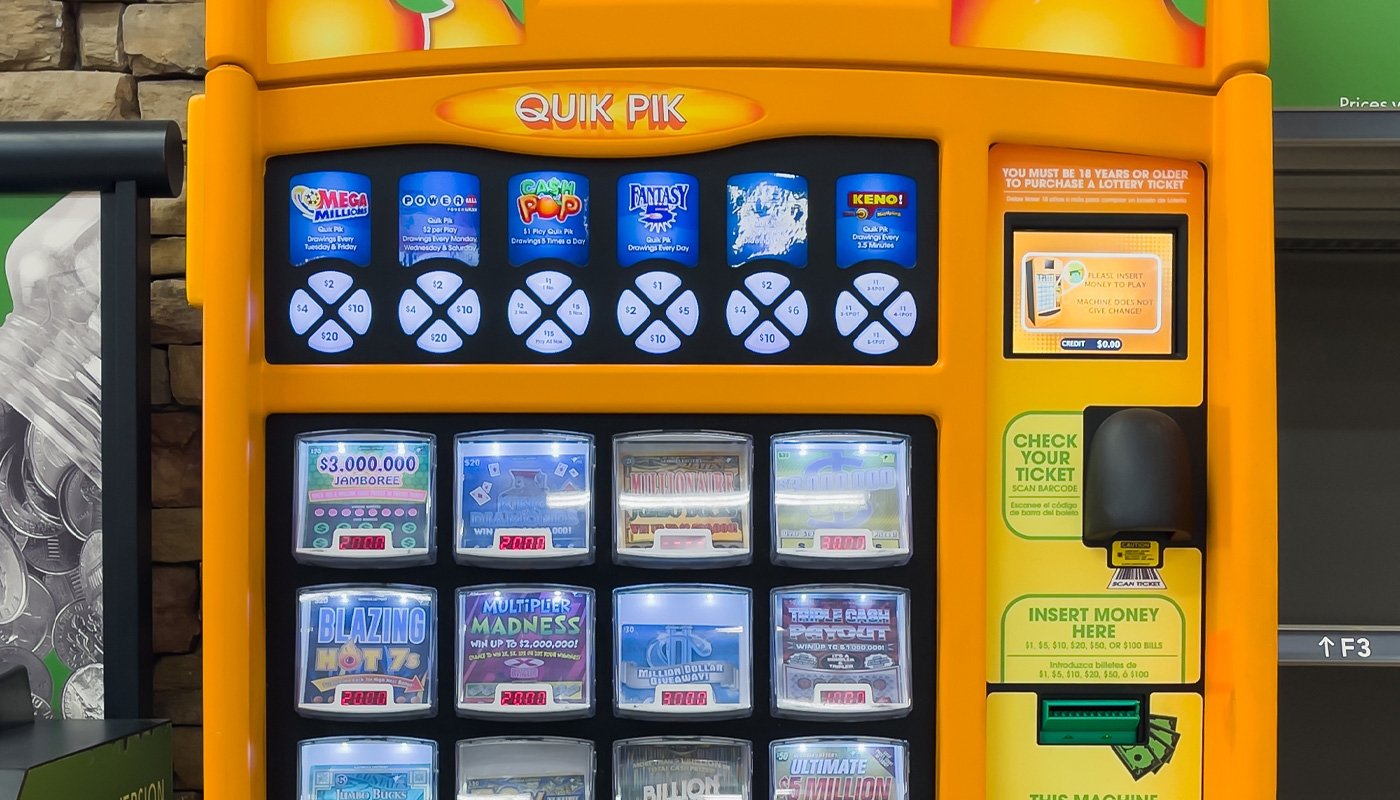
What many don't know is that state lotteries are contributors to this critical system. On a regular basis, several states, including Maine, Texas, Connecticut, Pennsylvania, Michigan, and South Dakota, use their lottery resources - including retailers, screens, and ticket dispensers - to spread the word when an AMBER Alert is in effect.
A life-saving system
In 1996, a 9-year-old girl named Amber Hagerman was tragically kidnapped and murdered in Arlington, Texas. In response, the AMBER Alert was created, recovering more than 1,200 children as of December 2024, according to the 2024 Annual Amber Alert Report.
When an abduction meets the criteria for an AMBER Alert, law enforcement triggers the mandate to coordinators within states and regions. They push the alert through phones, digital platforms, radio, highway signs, and more. The alerts include the child's name, age, and a physical description of him or her, as well as a vehicle description, name, and a physical description of the abductor if this information is available.
How lotteries get involved
At lottery retailers, the AMBER Alert usually appears on their digital platforms. Wade LaRoche, Director of Advertising and Public Relations at the South Dakota Lottery, told Lottery USA how it works in his state. First, the South Dakota Lottery and its system vendor, Brightstar, receive a notification from the South Dakota Division of Criminal Investigation. LaRoche explained:
When the South Dakota Lottery is notified of an Amber Alert, we send a message to all retail locations throughout the state. The terminal message, which has a pop-up notification on retailer terminal screens, provides details on the AMBER Alert, such as a description of the missing person, descriptions of a suspect, where they were last seen, and what type of vehicle they may be in. This message may be viewed at any time until the AMBER Alert is cancelled.
The agency also provides updates when “missing or endangered person” alerts — similar to AMBER Alerts but issued for adults or other cases — are triggered. LaRoche added:
We can't definitively say that our messaging has led to the recovery of a missing or endangered person. However, we are happy to play a role in these efforts by using our retailer network to get the word out.
Lottery AMBER Alerts depend on the technology functioning properly, but the system is low-cost since it only lives on infrastructure that's already in place.
The states that have AMBER Alert/Lottery partnerships
The following states currently have AMBER Alert partnerships with lottery commissions.
Connecticut: Once the alert is put forth by law enforcement, the Connecticut Lottery sends AMBER Alert messages to about 2,800 retailers and displays alerts on the in-store monitors.
Maine: In Maine, the lottery works with AMBER Alerts, as well as Silver Alerts, which are geared toward recovering lost seniors.
Maryland: Lottery retailers broadcast AMBER Alerts on in-store monitors across the state.
Michigan: Through a recent partnership, the Michigan Lottery now delivers alerts to nearly 10,000 retailers via terminal messages, self-service machines, and Club Keno monitors.
Nebraska: Lottery terminals flash AMBER Alerts on digital screens. Retailers are also given materials to print and post information in their stores.
Pennsylvania: The Pennsylvania Lottery is an official partner in statewide efforts to help recover abducted children through its communications network.
South Dakota: The South Dakota Lottery sends AMBER Alerts to its network of lottery retailers via lottery machines.
Virginia: In Virginia, lottery terminals display AMBER Alerts on marquees.
AMBER/Lottery Rescues
Measuring AMBER Alert efficacy is a challenge. When a rescue occurs, it's difficult to know the role of an AMBER alert. Law enforcement doesn't always know whether or not an AMBER alert played a role at all in a rescue, nor where the so-called “rescuer” saw the AMBER Alert. These details are often not documented, as they're not a priority in the midst of a rescue.
In other words, law enforcement and lottery commissions don't know exactly how many times the lottery tie-in has saved lives out of the reported 1,200+ AMBER Alert rescues. However, adding retail-based communication networks to the mix can help multiply the number of people who see the alert during those first critical hours.
It's entirely possible that retailers have recognized abducted children in their stores thanks to the display on their ticket screens, or that a customer called in regarding an abduction based on an alert at a lottery kiosk, leading to a rescue. It's also entirely possible that a lottery AMBER Alert has never saved a child. The alerts are too widespread.
La Roche said:
We can't say our messaging directly caused a recovery. But we know that awareness saves lives, and we're proud to contribute to that effort.
The AMBER Alert Report does say that 226 of all rescues were made via mobile phone alerts.
The success of the program depends on how fast and widely the information can spread. The law enforcement analyst who contributed to the AMBER Alert report explained:
The more eyes and ears the public can offer, the better. Technology keeps expanding that reach.
Notable rescues
Notable AMBER Alert rescues include:
- Eight-week-old Rae Leigh Bradbury was the first documented AMBER Alert rescuee in 1998. The baby had been abducted by their babysitter. A driver recognized the car they had seen in the AMBER Alert and called it in, leading to the child's rescue.
- Teenagers Tamara Brooks and Jacqueline Marris were abducted at gunpoint and held hostage for 12 hours in 2004 in California. A driver saw an AMBER alert and called the police when they saw the suspect's car driving 100 miles per hour on a highway.
- In 2015, 2-year-old Ronnie Tran was kidnapped by his grandmother, 65-year-old Vien Nguyen, in Washington. Nguyen had made threats to harm the child, then stunned his mother (her daughter) with a device and kidnapped them both, leaving them tied up in the garage. Ronnie's mother managed to escape without the boy, allowing her to inform the police. The grandmother left the boy with a babysitter, who saw the AMBER Alert and notified police.
- Four-year-old Rebecca Lewis was taken from her home in Florida by a truck driver who had known her previously. When the abductor visited a hospital in Memphis, Tennessee, a hospital worker recognized the situation from an AMBER Alert, and the girl was rescued in the hospital parking lot. The girl was physically unharmed. In this case, investigators were able to report that the employee saw the AMBER Alert on social media.
Criteria for an AMBER Alert
Officials are cautious about overuse and “alert fatigue” among populations, so AMBER Alerts come with strict criteria:
- An abduction must be confirmed to law enforcement. This includes parental abductions.
- The victim must be 17 years old or younger, or must have proven mental or physical disabilities.
- The child must be in danger of serious injury or death.
- There must be descriptive information available about the child, the suspect, or the suspect's vehicle.
Continued participation in lotteries
As states continue to modernize their lottery infrastructure with digital screens and online app platforms, lottery AMBER Alert integrations may become more ubiquitous beyond the current states that use it.
La Roche says the partnership with law enforcement has been efficient and worthwhile.
We already have this network built to communicate instantly with retailers. It makes sense to use it for something that can save lives.


















Comments