
News writer

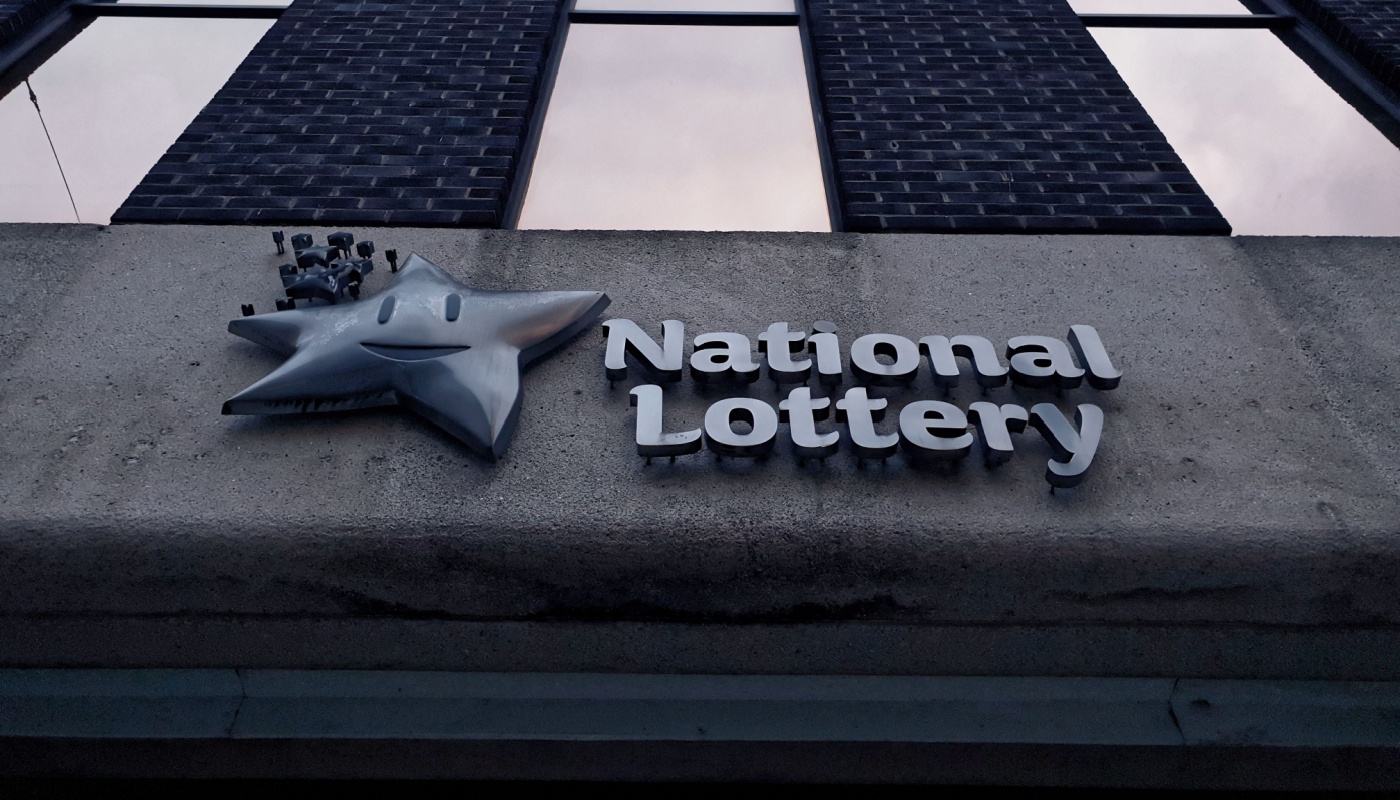
A newly published academic study is raising questions about how Ireland's National Lottery is officially described and whether the language used by regulators may downplay the risks associated with gambling. While these findings focus on Ireland, researchers say the results can offer a bigger lesson about how wording can shape public perception of lottery play around the world.
The research was conducted by academics from several Irish third-level institutions. These academics analyzed all the annual reports published by the Office of the Regulator of the National Lottery between 2014 and 2024. The study was recently published on the HRB National Drugs Library website.
Framing gambling as entertainment
In the study, researchers said that participation in the National Lottery is consistently framed as “play,” “entertainment,” or a “game.” There is little acknowledgement that participating in the lottery is a form of gambling that involves risk.
In the 10 years of reports that were reviewed, researchers said they found no references to terms such as “addiction,” “addict,” or “danger.”
Instead, the language emphasized prize-winning and funding for good causes. While the annual reports regularly referenced safety and compliance measures, the researchers argue these discussions lacked meaningful engagement with gambling-related harm or broader public health risks.
The study suggests this framing creates a “sanitized narrative.” Because of that, it may shadow the potential negative consequences of gambling participation, particularly for vulnerable players.
Shifting priorities over time
One of the things that stood out the most in the study is how the regulator's language changed over the 10 years. References to “good causes,” such as community projects funded by lottery revenue, increased fivefold in the 2024 report compared to the 2015 report.
During that same time period, mentions of problematic play and player protection went down.
Researchers say this imbalance may signal a growing prioritization of economic outcomes over participant welfare. Yes, lottery revenue does play a big part in public funding. However, the study questions whether the emphasis on positive outcomes leaves little room for acknowledging potential harm.
Underage play and “mystery shopping”
The researchers also looked into how underage participation is addressed. They said that compliance checks to ensure retailers are not selling tickets to minors are frequently described as “mystery shopping.”
According to the study, this term risks minimizing the seriousness of selling lottery tickets to minors.
The researchers argue that underage gambling receives very little attention in the reports. This is especially true when compared with other regulatory priorities, despite the potential long-term impact this could have on minors.
Calls for a public health approach
The study notes that the regulator is legally required to balance the interests of players with the lottery's commercial success. However, the researchers argue that real protection starts with clearly acknowledging that playing the lottery is gambling and can cause harm.
Researchers recommend that both the Irish government and the regulator should adopt a clear public health approach for monitoring gambling. They argue that it would better align with the level of gambling-related risk in the country.
In response to this study, the Regulator of the National Lottery said its annual reports are formal governance documents tied to audited accounts, and they are written to meet legal and licensing requirements. The regulator stated that its focus is on compliance, protecting funds for good causes, and implementing measures to prevent underage play and problem gambling. They also noted that its updated website features a dedicated player protection section.
Ireland's gambling industry is estimated to generate more than €10 billion (about $11.72 billion USD) annually. Of that, the National Lottery product sales account for roughly €1 billion ($1.17 billion USD). Researchers say these numbers are a reason why the language of oversight is more important than ever.
Enjoy playing the lottery, and please remember to play responsibly.







Comments