
News writer

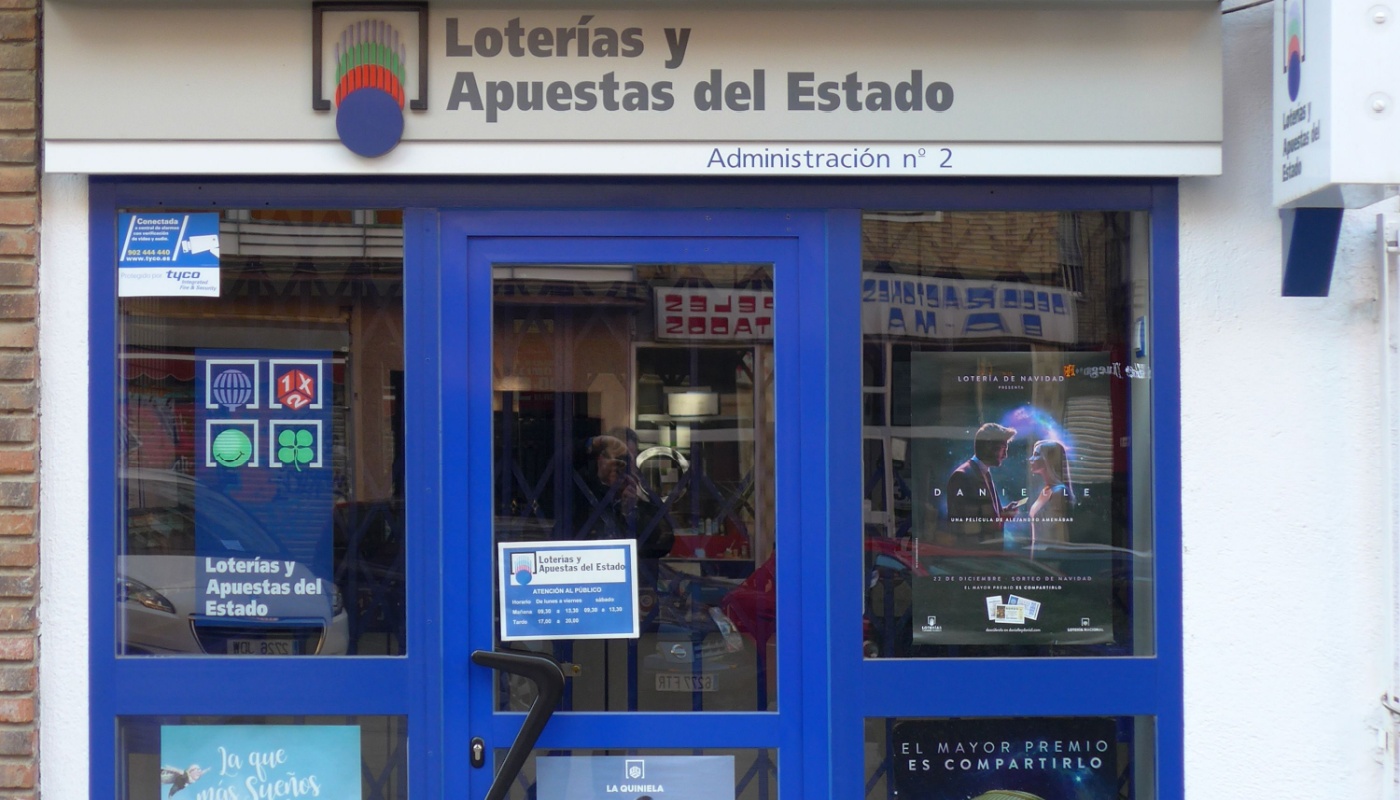
A husband and wife who own a bar in Spain plotted to cheat a lottery winner out of a €14.8 million (US $16 million) prize will spend three years in prison after being sentenced by a Valencia judge.
The parties involved
The couple, who haven't been identified by Spanish media, own a bar in Pedralba, a small town near Valencia, ABC reported.
The victim, who also was not named, happened to be a regular at the couple's bar. That bar also happened to be the spot where this regular would purchase her weekly lottery tickets.
On March 12, 2017, the woman bought three tickets for Spain's Lotería Nacional Father's Day draw. After making the purchase, she then gave the tickets back to the bar owners for safekeeping. This was apparently common practice among the regulars.
How the Lotería Nacional works
The victim would always buy three tickets, two of which would always be the same number each week: 10,123 and 12,396. Then, her third ticket would always be some kind of random number.
For her March 12, 2017, purchase, she chose 39,813. This number just happened to be the same number the bar owners picked on a joint ticket with one of their friends. In addition, another regular at the bar chose the same number and also entrusted their ticket to the owners.
The Lotería Nacional is a little different than the regular lottery draws we are used to in the United States. It's more akin to the holiday raffles that some state lotteries offer at the end of the year.
Their draws are based on five-digit numbers, from 00000 to 99999. Based on that, there would only be 100,000 unique ticket numbers. Each number is printed multiple times and in several "series," officials said, to allow for duplicates of the same number.
Each series is given its own unique number, which essentially acts as a bonus ball.
From there, the jackpot winner would need to match their ticket number and the series number with the balls drawn that night. If a player matches the winning number but doesn't match the series number, then they would win a smaller prize.
Coercion comes into play
The tickets were purchased on March 12, but the drawing took place on March 18, 2017. The winning number happened to be 39,813, so all four players at the bar won.
However, the victim's ticket was the only ticket with the right series number, and she won the €14.8 million jackpot. The other two tickets that matched just the winning number and not the series number won €130K each.
This is where the scheming came into play, as the bar owners called up the victim and asked her to come to the bar. Once at the bar, the couple locked the door so no one else could come in, and they showed her the three winning tickets, officials said.
While the couple knew her ticket was the ticket that won the jackpot, they told her the tickets had been mixed up, and it was impossible to know who truly won the jackpot. Their solution — split all of the prize money four ways.
The victim didn't know what was even going on, so she agreed. The couple then contacted the other two winners, who knew nothing about the scheme, to let them know the prize money would be split evenly.
The couple then made it official and had a lawyer draw up a formal agreement, which outlined how the prize money would be distributed in four ways. The victim signed the agreement.
It took a long time for a conviction
It's been seven years since the jackpot was won, but a judge determined the couple was guilty of fraud. The judge said the victim had been “led to believe that she did not know which ticket was the winner.” Because of that, she was entitled to the full prize.
The couple was sentenced to three years in prison for fraud, as well as ordered to pay the misappropriated funds to the victim in restitution.
Lawyers for the victim criticized the length of the case, telling ABC that it was “remarkably excessive” considering its “low complexity.”
Enjoy playing the lottery, and please remember to play responsibly.












Comments