
News writer; Opinion columnist

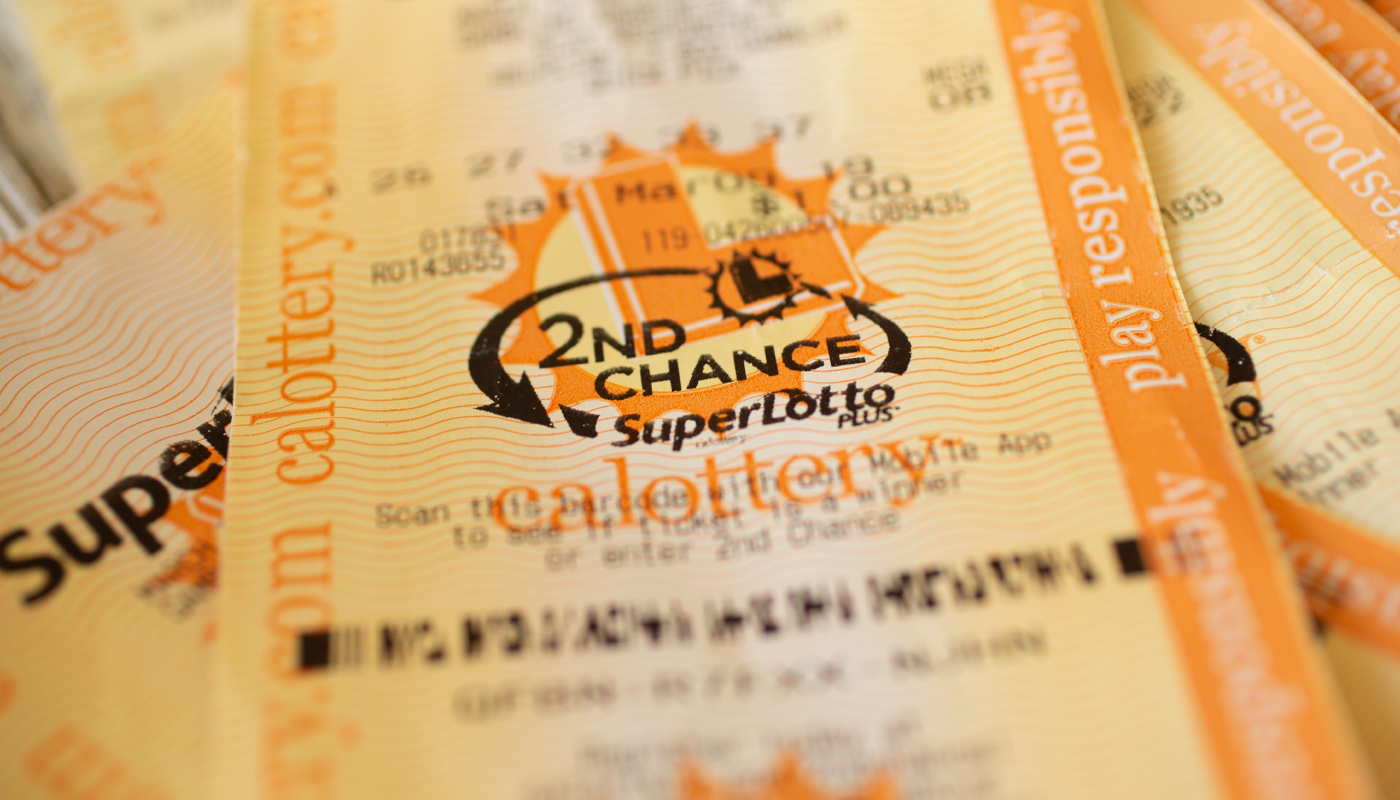
Whether it's the crush we never asked out in high school or a chance to be a millionaire, we all have moments where we’d like a second chance. And while there’s no way to recreate your senior prom, just because your lottery ticket didn’t deliver a jackpot the first time you scratched doesn’t mean you don’t have another chance to win.
Second-chance drawings have become a core part of most lotteries' marketing strategies. And while the value to the player is obvious- another chance to win a prize with the same ticket- it turns out that their value to the lottery is even greater.
From increased sales to more player information, second-chance drawings are one of the most cost-effective ways for lotteries to grow sales, engage customers, and generate media attention for their games.
This is how second-chance lottery drawings became an essential marketing strategy for American lotteries.
The evolution of second-chance drawings
Second-chance drawings have been around since the 1970s, but they frequently offered more value to players than to lottery organizations.
Under the old model, players had to physically mail their tickets to enter the drawings. Players could win a prize, but the lotteries gained little value. That all changed around the 2010s with the ubiquity of smartphones and the creation of official state lottery apps.
These apps completely changed the value proposition of second-chance drawings for lottery organizations, turning them from a nice add-on bonus into a central part of their marketing, sales, and player engagement strategies.
As soon as lotteries had apps, they brought their membership and loyalty programs online, and it quickly became apparent that second-chance drawings were a key way to convince players to join. Instead of going to the trouble of mailing a ticket, players only had to create an account and scan their tickets on their phone.
Bringing second-chance drawings online has pushed a dramatic increase in lottery membership registrations and game entries, with ticket publisher Scientific Games reporting a 40% year-over-year increase in tickets entered into second-chance drawings in 2023. And while all of that benefited players, it delivered even more value to the lotteries.
Sales lift
It turns out that players aren’t the only ones making money off of second-chance lotteries. Surveys of the lottery industry consistently show that games with bonus drawings sell more tickets than games without one.
Scientific Games, the world’s largest maker of lottery tickets, released a study showing the impact of second-chance drawings on South Carolina Education Lottery scratch-off tickets. In 2023, Scientific Games added a digital second-chance promotion to the games $1 Wild Luck and $2 Crazy Luck. The promotion let players spin a digital prize wheel on the lottery app for a chance to win $500.
The add-on was a hit, and the two games generated $5.2 million in sales, and more than 335,000 tickets were entered into the second-chance drawing. The two games also significantly sold more tickets than comparable instant-win games with no second-chance prize. Wild Luck sold 36% more tickets than other $1 games, and Crazy Luck outsold other $2 games by 17%.
A survey by the North American Association of State and Provincial Lotteries (NASPL) found the same results across different states and Canadian provinces.
For example, Arizona reported that its 2025 Merry Millions second chance promotion resulted in 23% more tickets sold and 25% more retail spending than the same ticket with a different promotion the previous year.
Similarly, the Ontario lottery reported a 10% lift in sales when it added a bonus draw feature to its 6/49 game.
Part of the success of these second-chance games is that they give the ticket greater perceived value. Effectively, a game with a second-chance drawing gives you twice as many opportunities to win as a comparably priced game without one, even if your real chances of winning are still extremely slim.
Build a connection
Anytime you make an online purchase from Amazon or any other e-commerce site, you give up a tremendous amount of personal information. At a minimum, you’ll need to give the business your home address, email, and credit card info. Sign up for any kind of loyalty or membership program, and you’ll probably have to tell the company everything from your birthdate to your gender. This information is tremendously valuable because it lets companies create customer profiles, send targeted ads, and better understand customer purchase behavior.
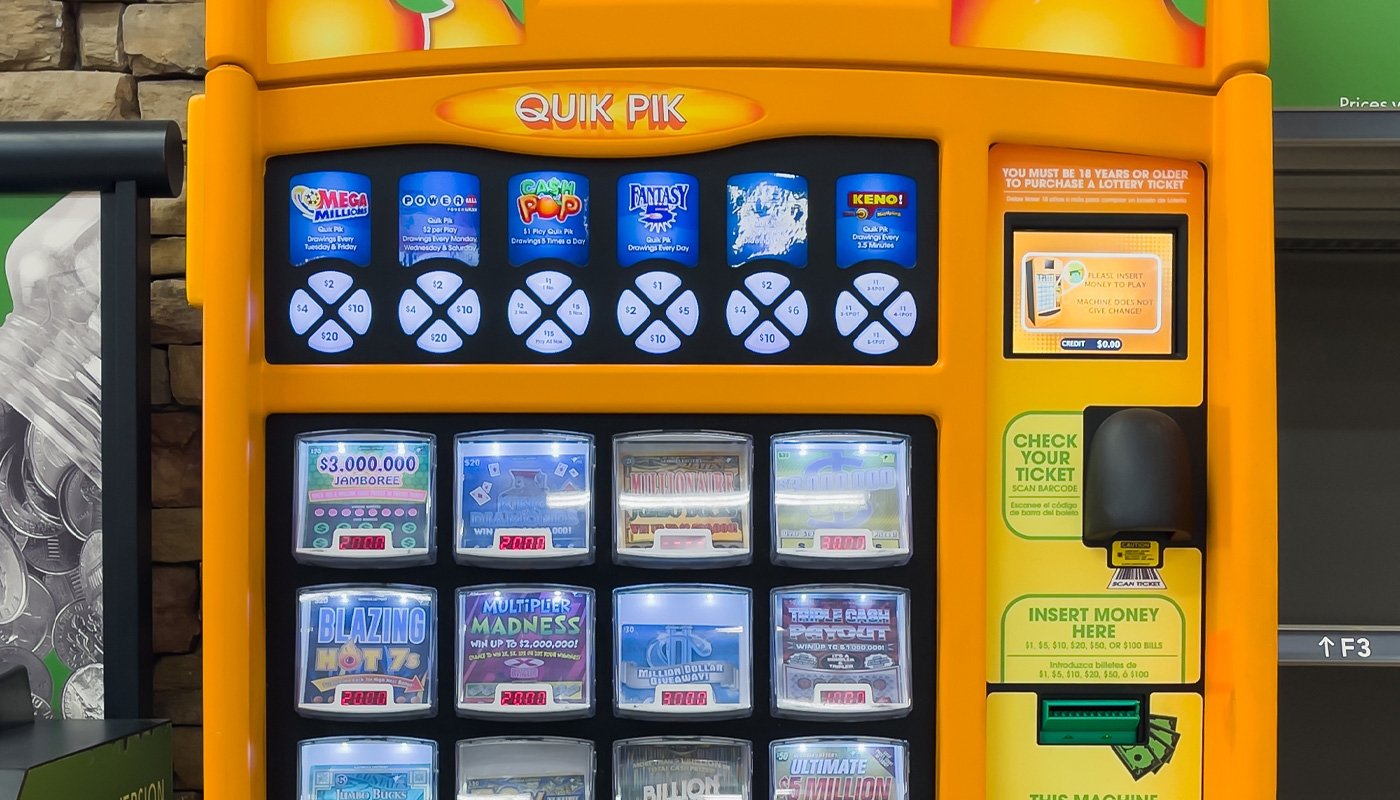
Customer data is just as important to the lottery as it is to any other business, but lotteries face one key disadvantage: most lottery tickets are paid for with cash. A survey by the personal finance website Bankrate found that 76% of lottery ticket purchases were cash transactions, which means lotteries can't know anything about who bought the ticket. Second-chance drawings can help lotteries close this gap. To register for a second-chance drawing, most lotteries now require players to create a profile on their lottery apps. Once they do, the lottery knows at least your age, location, and email. Then, as you submit more tickets, they can create a more detailed profile of you. They know which games you play, how much you spend, and when you’re most likely to buy a game.
That means if Player A mostly submits $1 and $2 games and Player B submits $50 games, the lottery can now send targeted ads to each player for the game they’re most likely to buy.
Second-chance registration has been enormously successful in gathering player data. The California lottery reports that more than 9.7 million players registered through its second-chance program, including 7.6 million high-value monthly players.
Arizona Lottery officials said that their 2025 Merry Millions second chance promotion generated 60,000 new registrations on their lottery app.
Extend the relationship
Look in the waste basket of any convenience store, and you’ll likely find dozens of discarded losing lottery tickets. The time from when a person buys a ticket to when they get rid of a loser can be as little as ten seconds. The second chance drawing changes that dynamic dramatically. If you don’t win when you uncover the ticket, you can now digitally register it for a drawing that might happen in a few weeks or a month.
The Oklahoma Lottery says it sees the second-chance drawing as an extension of the game's entertainment value and as something that creates greater personal investment for players. That’s why lotteries are going beyond one extra drawing and adding bonus and promotional drawings that let one losing ticket qualify for multiple games.
For example, the California Lottery drives consistent engagement by adding limited-time bonus drawings to its regular weekly second chance drawing, turning one ticket into multiple engagements for a single player. To reduce participation friction, a single ticket scan can now enter players into several games.
In another innovation, Arizona introduced a progressive secondary jackpot that grows as more people enter. They found that this feature led people to use their app more to check the prize size.
Many state lotteries also found that creating more winners drove engagement, so they’ve added a large selection of smaller prizes on top of the big grand prize cash jackpot, giving players even more opportunities to win. That’s why, in addition to the trip to the Super Bowl, Powerball X’s and O’s offers second-chance players the ability to win NFL store gift cards, team jerseys, and other memorabilia.
Greater value
As second-chance drawings have grown more sophisticated, they have leveraged their prizes to give the games stronger perceived value and greater marketing potential.
For example, a drawing could offer a $10,000 prize or two tickets to the Super Bowl. Those two prizes might have the same value, but the uniqueness of the Super Bowl tickets makes them seem more valuable and, therefore, more appealing to players.
Experiences such as VIP sports trips, luxury vacations, or concert tickets create a strong marketing hook and help differentiate a game from one that offers a large main cash prize and a smaller secondary cash prize.
The new multi-state game Powerball X’s and O’s offers a progressive jackpot of over one million dollars. However, it also offers 1,100 second-tier prizes ranging from a luxury trip to the Super Bowl.
The Maryland Lottery offers a VIP trip for two to the 2028 Los Angeles Olympics, the North Carolina lottery offers a luxury trip to Hawaii, and Delaware’s second chance lottery gave out Harley-Davidson motorcycles as a prize for its second chance lottery.
Another advantage of offering unique second-chance prizes is that they can drive media coverage for a particular winner or game. Someone getting a once-in-a-lifetime luxury trip to a major sporting event is much more newsworthy than someone winning a cash prize in a lottery game.
A second chance to win big
As second-chance drawings have grown more prominent, so have their prizes, with football a particularly popular add-on.
New Jersey Pick-6 players are eligible for a chance to win a million-dollar prize and a VIP trip to a New York Jets football game. Not bad for a consolation prize.
The Maryland Lottery’s Ravens X2 and X10 tickets offer second-chance players a chance to win $10,000 and two season tickets for the Baltimore Ravens for twenty years. The Maryland lottery also offers a second-chance prize that’s bigger than the jackpots for most scratch-off games. Players of The Price Is Right game are eligible to win a California Game Show Experience.
Winners of this drawing receive a five-day trip to Los Angeles for two, where they’ll attend a taping of The Price Is Right and participate in their own private game show experience. The experience will include playing several Price is Right games as well as Family Feud and Press Your Luck.
A player who maximizes their winnings on every game can collect up to $5 million, with an additional $5 million divided among all six of the second-chance winners.
Lottery numerology predictions
Every week, we bring you the most up-to-date astrological forecasts for all signs of the zodiac.