
News writer

A high-profile Mega Millions lawsuit has come to an end. A judge in California dismissed claims that a missing ticket tied to a $394 million jackpot should still be paid out. This is a big win for the California Lottery, which asked the court to dismiss the case.
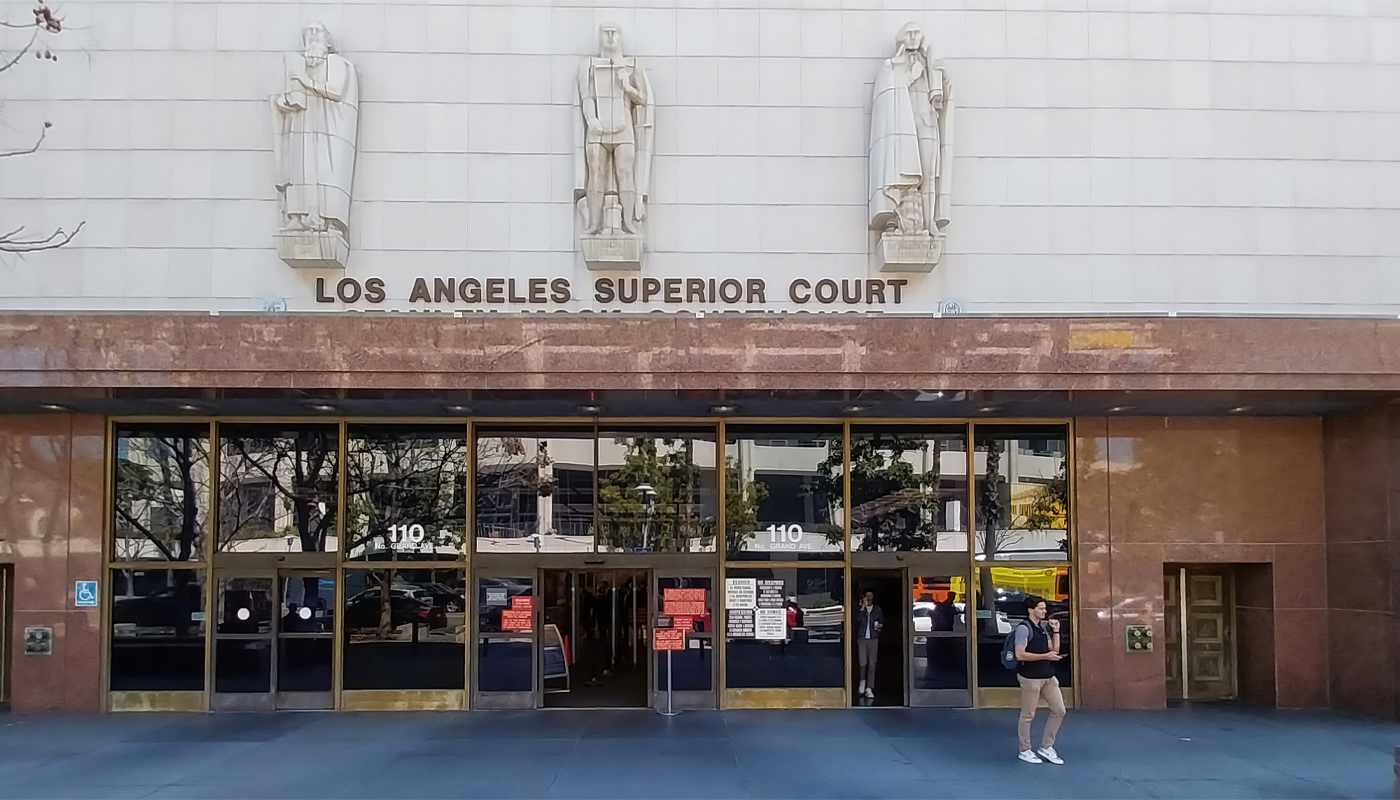
The motion to dismiss the lawsuit was granted by Los Angeles Superior Court Rolf M. Treu. The initial lawsuit was filed by Faramarz Lahijani. In the lawsuit, he claimed he bought both winning tickets for the December 8, 2023, Mega Millions drawing. While he had one of the winning tickets and claimed his prize, he said he lost the second ticket but should still be paid the second half of the prize.
No payment if no ticket
Lahijani's defense was that he bought both of the winning tickets at a Chevron gas station in Encino. He used the same set of numbers his children picked decades ago: 21, 26, 53, 66, and 70, and the Mega Ball of 13.
Yes, Lahijani did have one of the winning tickets. He claimed that prize and was awarded half of the jackpot by the California Lottery. However, Lahijani felt he was owed the other $197 million, claiming he was the sole winner.
However, the judge disagreed. In Judge Treu's ruling, he said the plaintiff failed to show any enforceable contract or legal obligation that would require the California Lottery to pay him.
The judge wrote in his ruling:
These deficiencies appear to be fatal to plaintiff’s claims.
On the flip side of things, attorneys for the California Lottery said the Mega Millions rules and state laws don't really leave any room for discretion. The court filings stated:
Payment of a Mega Millions prize without the submission of a valid winning ticket is expressly barred.
A second claimant recently stepped forward
There was a second person involved in this case. Cherly Wilson recently filed paperwork seeking to intervene in the case.
She claimed she happened to buy one of the winning tickets, but like Lahijani, she no longer had the physical copy, as it was stolen by a former employer. Wilson was seeking $97.4 million.
Judge Treu also rejected this argument. If he were to allow her claim, then it would turn this case into a huge dispute involving allegations of theft, fraud, and conspiracy. He said that would go well beyond the scope of the original lawsuit.
With this ruling by Judge Treu, it shuts down all remaining legal paths in the case, including a separate attempt by another claimant to intervene.
A win for the California Lottery
This ruling by the judge helps reinforce a long-standing rule that state lotteries consistently defend: a valid, physical ticket is the only proof that matters when claiming a prize.
Yes, this case involved a large amount of money. However, the outcome hinged on a simple principle that applies to every ticket, whether it's worth $2 or $394 million.
The takeaway for players
This ruling offers a straightforward takeaway for players: sign the back of your ticket immediately, store it in a safe place, and treat it like cash.
Courts may consider intent, testimony, and even sworn declarations. Without the actual ticket, those arguments rarely survive.
This case now stands as a high-profile example of how unforgiving lottery rules can be, even when the stakes are so big.
In the end, the judge's decision didn't just close a lawsuit. It closed the door on the idea that missing proof can be replaced by belief. This is a lesson every lottery player would be wise to remember before the next drawing.
Enjoy playing the California Lottery, and please remember to play responsibly.















Comments